

Special Kagyu Monlam Day 5
2 February 2023
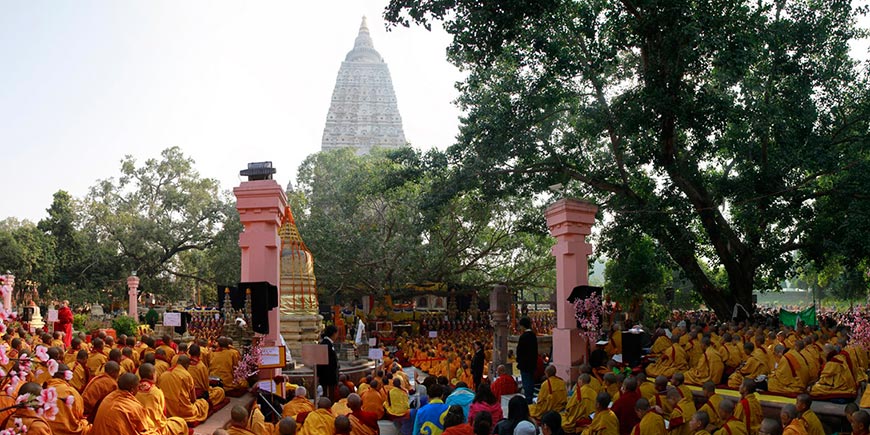
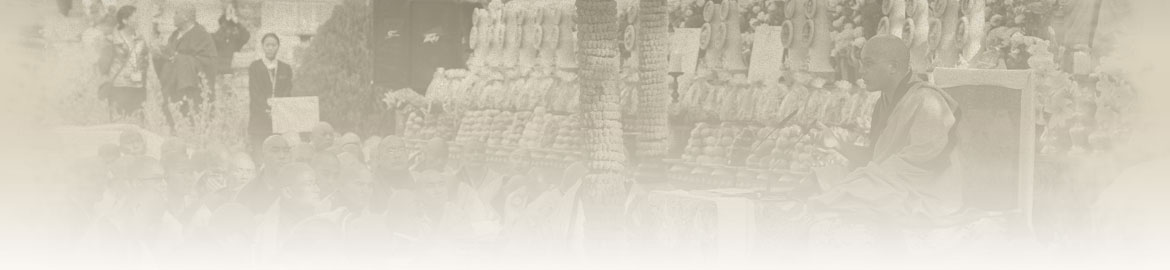
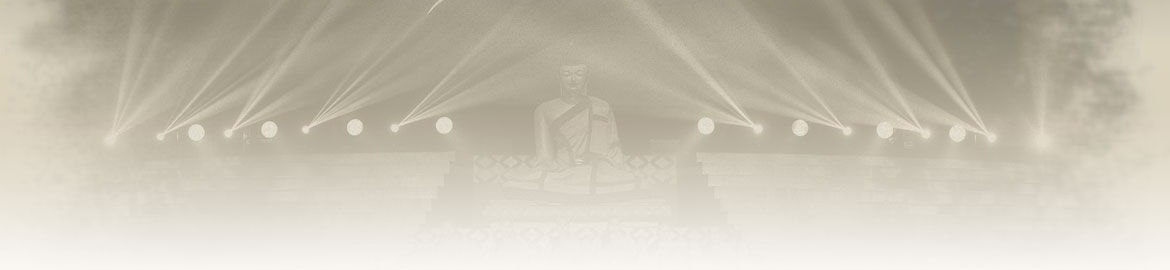
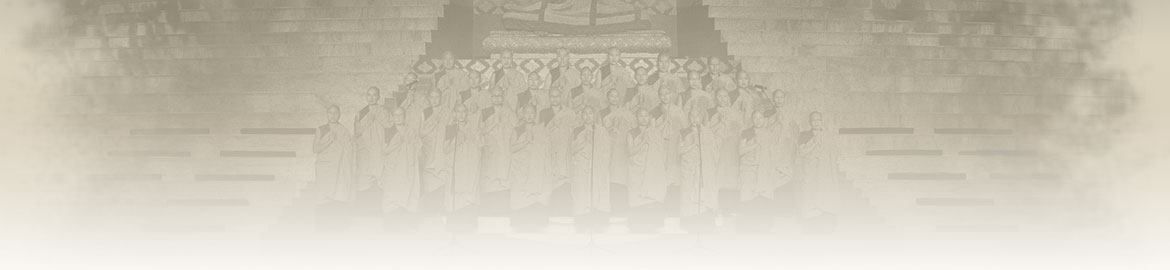
On the misty morning of the fifth day of the Special Kagyu Monlam, the ritual procession which displays the entire body of the Kangyur (Translated Words) in 108 volumes took place.
The day began with Mahayana Sojong, and then, as a prelude to the Kangyur procession, The Essence of Glory Practice of the Sage was read during the first session. In the second session, lines of monks and some lay people waited in the grounds of the immense Bokar Shedra. Meanwhile, inside the shrine hall, the volumes of scripture were piled high in front of the altar, and as the procession mustered, the gelongs waited patiently to collect the volume of scripture they would carry.
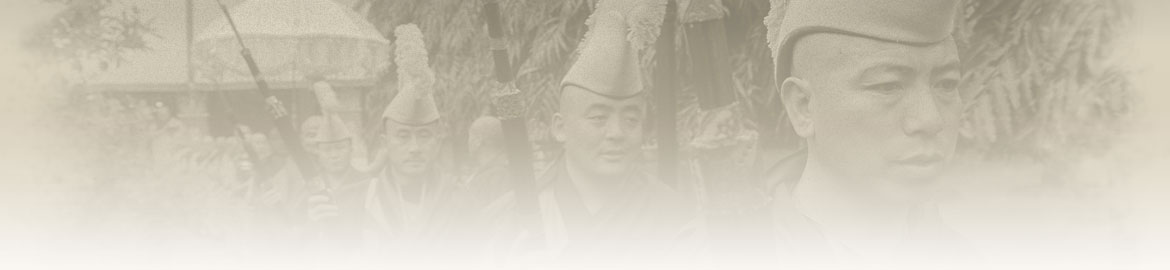
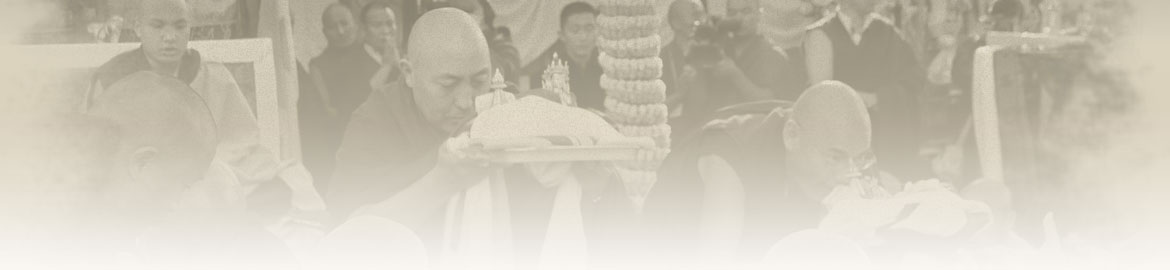
Finally, the procession of the 108 volumes of Kangyur scriptures, containing sutra and tantra, emerged from the main shrine hall and walked slowly down the steps. First came the lead incense-bearer, then monks playing gyalings and white conches, followed by the most senior monks from Rumtek (the Karmapa’s monastery), the Drupon and the Dorje Lobpon. They preceded a line of khenpos, organised according to the seniority of their monasteries: Rumtek first, then Sherabling, then Lava, and so forth. Next came Khenchen Lodroe Donyoe Rinpoche and Kyabje Bokar Rinpoche, resplendent in ceremonial Gampopa hats and bearing incense. They were followed by the 108 gelongs carrying the precious volumes on their left shoulders, supported by their left hand and steadied by their right hand. They walked in a focused and absorbed manner, their eyes cast down on the ground ahead of them.
The procession turned right and slowly made its way along the path around the main building, which was lined on both sides by monks, nuns and a few laypeople. As the procession passed, all of those present received the blessings of the scriptures. Then, monks from the left side of the path joined the monks on the right to form a double row to receive the procession as it completed the clockwise circumambulation and walked back into the main shrine hall where the volumes were observantly placed on the centre of the shrine podium for the ritual to continue.
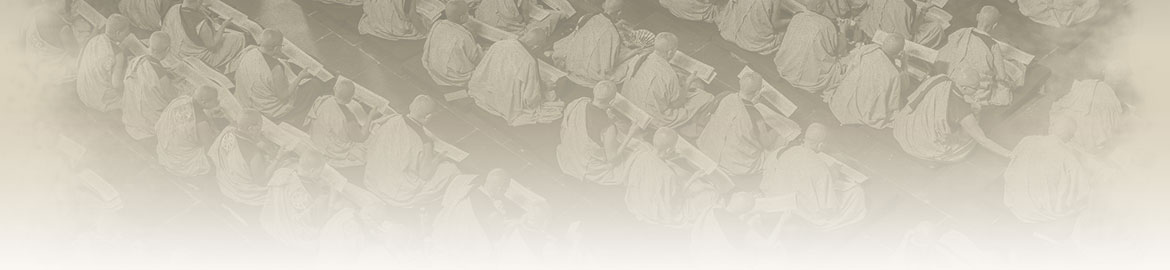
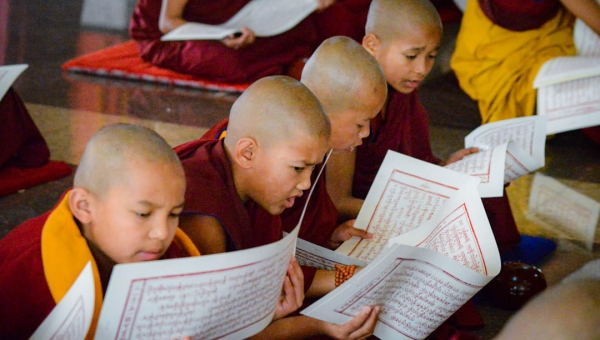
After the tea break, as everyone was again seated inside, the third morning session began with the Mandala Offering and the offerings and praises from The Essence of Glory Practice of the Sage. Then came the Reading of the Kangyur. Portions of the texts were carefully distributed among all the participants who knew how to read Tibetan -monks, nuns and laypeople- and the reading began. In that way, the scriptures were read in their entirety. Monks collected all the sheets methodically at the end of the reading, and the ritual was brought to a close with the conclusion of The Essence of Glory Practice of the Sage.
Click on the photo to view Flickr picture gallery ↓


February 10th - 15th, 2022
This was a significant part of this year’s Special Kagyu Monlam. For six days, the Gyalwang Karmapa led the recitation of the Karma Pakshi Guru Yoga. He was in direct contact with the monasteries and nunneries over Zoom. However, the ritual was also webcast so that monastics and laypeople worldwide could participate. The reason for reciting the sadhana this year, like everything else in the Monlam programme, was the decision and wish of His Holiness the Gyalwang Karmapa
The Karma Pakshi Guru Yoga holds a special place in the Karma Kagyu tradition. It was a mind treasure [gong ter] that the first Yongey Mingyur Dorje received in a pure vision. Yongey Mingyur Dorje was a Kagyu master from the Dzodzi Monastery, who also had ties to the Nyingma tradition. While he was in retreat, he saw the Lama, Yidam, and Dharma protector which are found in the Karma Pakshi Guru Yoga practice, and then he composed the sadhana.
In his own words from the prologue to the ritual:
I prostrate to the guru, the dharmakaya. Here is the method of practising the guru sadhana. I, the Vidyadhara Mingyur Dorje by name, in the Year of the Snake, at the age of twenty-five, was performing the practice of the protector Bernakchen. At dawn I saw, not in a dream, but in reality with my own eyes, a flashing red light that filled the entire room. I thought, “Could this be some illness or a magical trick?” I fell unconscious and lay senseless for a short time. When I awoke, I saw in the sky before me the mandala of the guru, illusory yet real. One of the females of the retinue of the mandala was looking at me and pointing at the central deity, who uttered these words to me. SAMAYA.
.
In Tibetan Buddhism, the lama is extremely important, no matter from what perspective we look at it. In the Dorje Chang Thungma, devotion to the Lama is the second requirement on the path of Mahamudra:
Devotion is the head of meditation, as it is taught.
As ones who pray always to the lama who opens
The gate to the treasury of oral instructions,
Please bless us to develop genuine devotion.
From obtaining the common and supreme accomplishments to dispelling obstacles, for the Kagyu tradition where devotion is central, the lama is of utmost importance. Particularly, out of all the Karmapas who have appeared thus far, Karma Pakshi was an exceptional and renowned practitioner who had defeated the maras and quelled malevolent forces. As a result of this interconnection, this is a practice specific to the Karma Kamtsang tradition.
Thus, the recitation of the Karma Pakshi Guru Yoga sadhana is dedicated towards the removal of obstacles and unfavourable circumstances, and the flourishing of the Kamtsang Kagyu and Karmapa's activities.
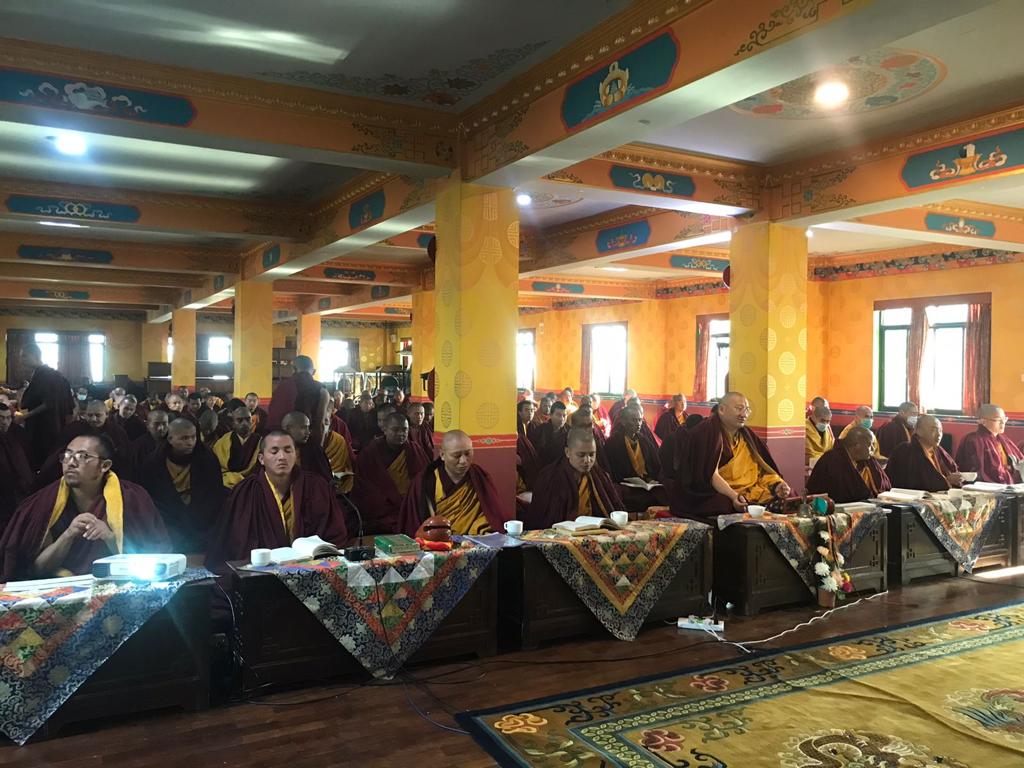
Kagyu Monlam Pavilion, Bodhgaya
17 nuns from different Kagyu nunneries attended this third training course in Tibetan incense making, organised and sponsored by Tsurphu Labrang, the office of administration of His Holiness the 17th Gyalwang Karmapa, and the Kagyupa International Monlam Trust.The project was initiated by His Holiness the Gyalwang Karmapa and is now under the direction of Drupon Dechen Rinpoche. The course was run by Dr Dawa, assisted by Chiu Ju Yueh, a professional Chinese incense maker from Taiwan, and Chomo Jangchub Drolma, who acted as translator, as well as lead incense-maker. It covered all aspects of incense making and mainly focused on using traditional methods when possible.

1. The Nuns.
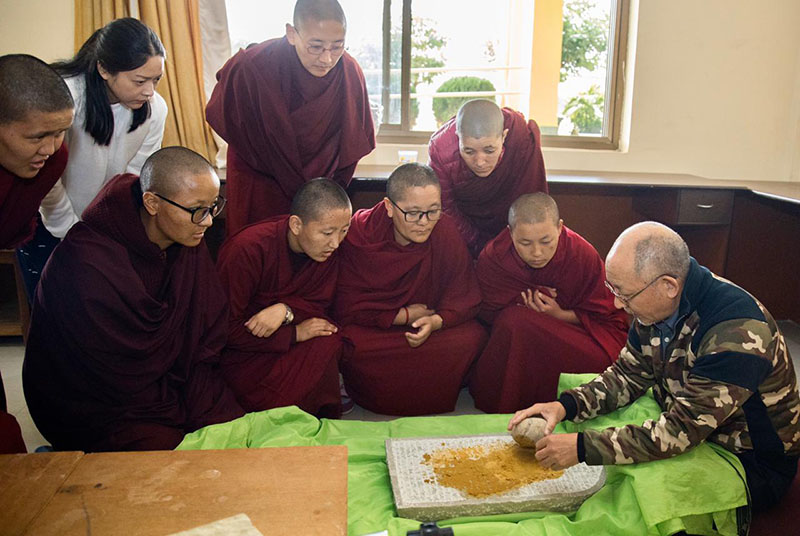
2. Dr Dawa demonstrates how to grind the minerals and precious substances.

3. The nuns listen and watch attentively.

4. Traditional pestle-and-mortar and grinding stones.
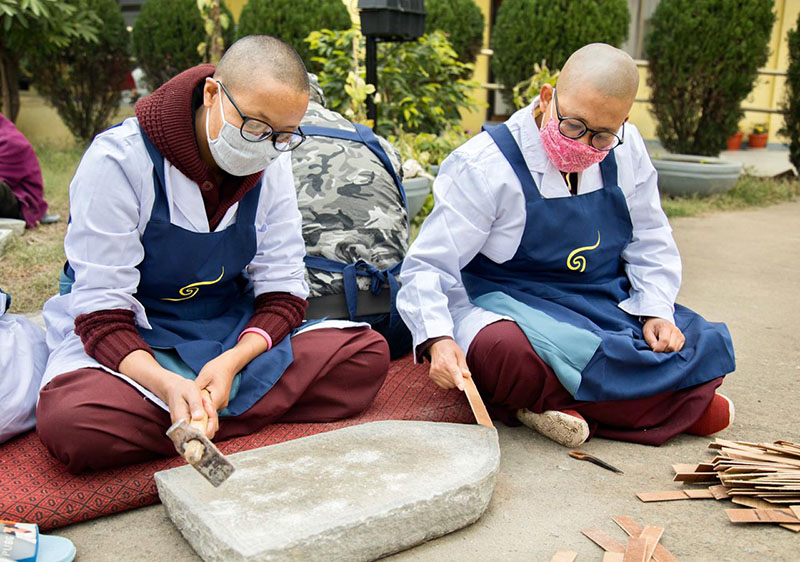
5. Preparation of equipment.
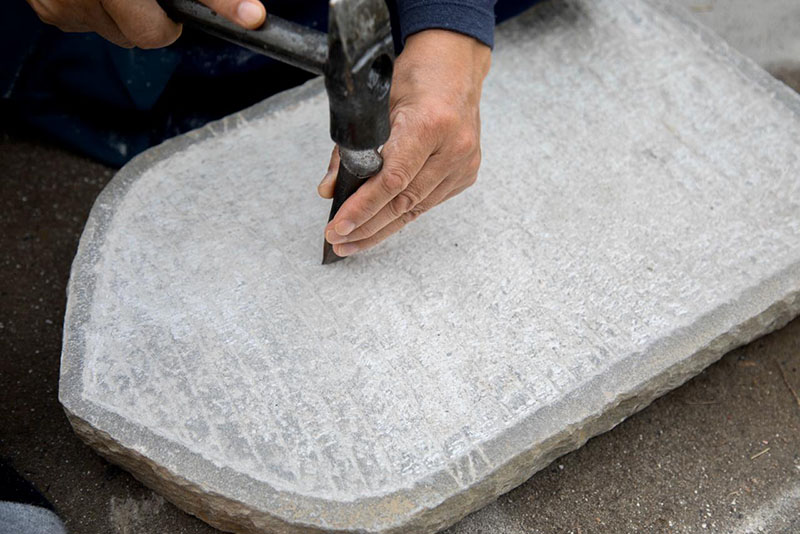
6. Preparing the grinding stone.

7. Distributing ingredients for grinding and sifting.

8. Using an electric grinder.

9. From grinder to sieve.

10. Sieving.

11. The machine pipes out long strings of incense.

12. The strings of incense are carefully divided into three and placed on wooden racks.
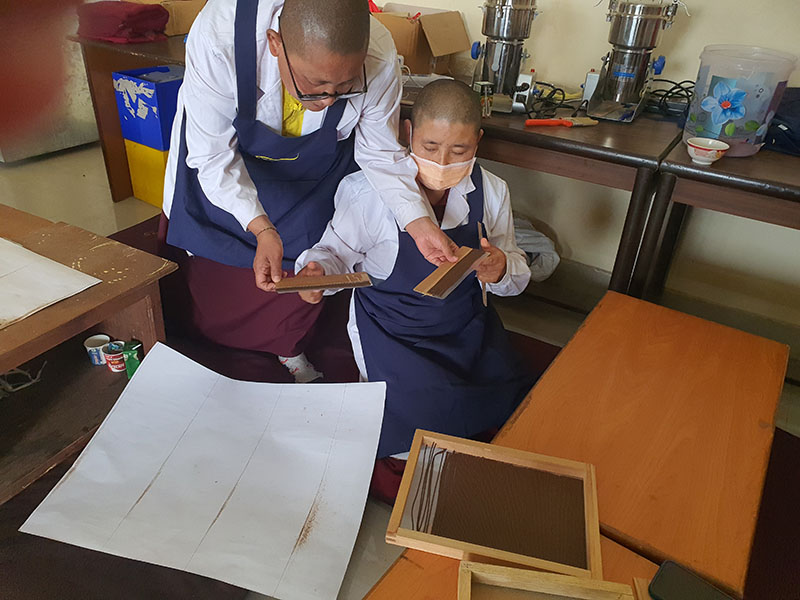
13. Transferring the incense carefully to the drying box.
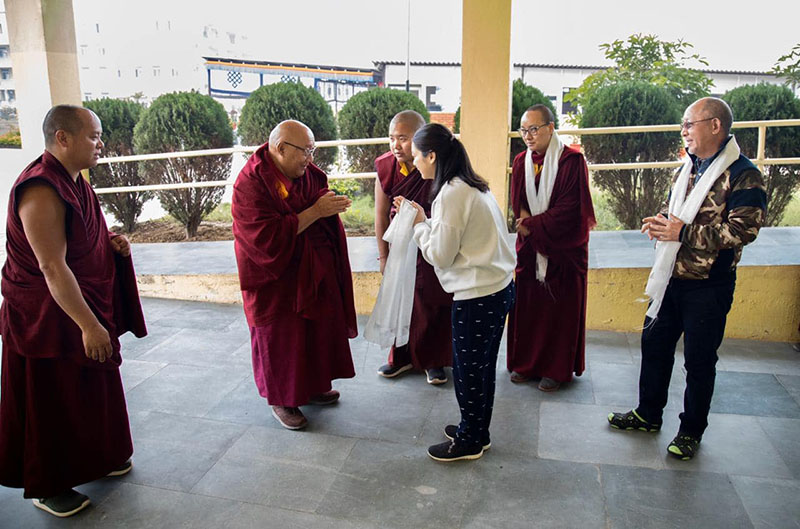
14. Ven. Khenchen Lodoe Donyo Rinpoche arrives to visit the project.
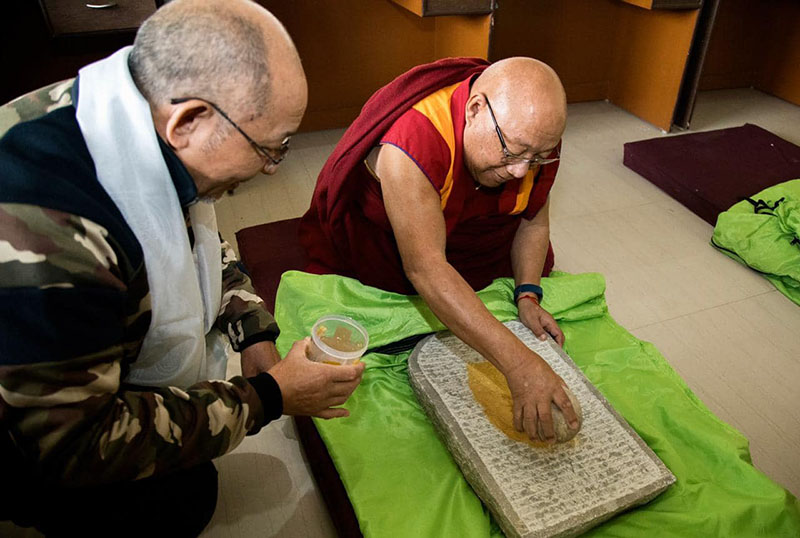
15. Khenchen Lodroe Donyo Rinpoche visits the project.

16. Khen Rinpoche grinding ingredients.
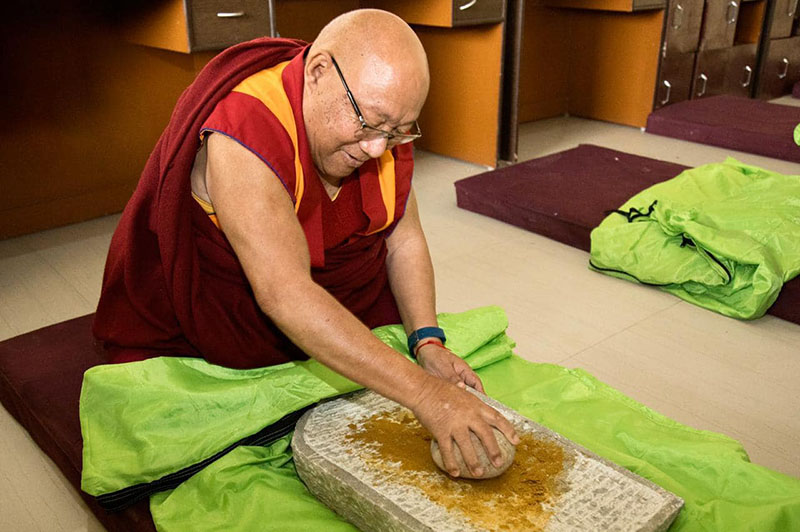
17. Khen Rinpoche working energetically.
Subcategories
International
Not everybody is able to attend the Kagyu Monlam Chenmo held each year in Bodhgaya, India, and so the natural development and the wish of His Holiness the 17th Karmapa was to extend the practices, prayers and blessings by establishing annual Kagyu Monlams in other countries.
Aided by the Kagyu Monlam core team based in India under the leadership of Lama Chodrak and presided over by high Lamas and Rinpoches within the Kagyu tradition, annual Kagyu Monlams have now been founded in many parts of the world.