KM-banner1.jpg
KM-banner9.jpg
KM-banner10.jpg
KM-banner11.jpg
KM-banner12.jpg
KM-banner13.jpg
KM-banner14.jpg
KM-banner15.jpg
KM-banner16.jpg
KM-banner25.jpg
KM-banner24.jpg
KM-banner23.jpg
KM-banner22.jpg
KM-banner21.jpg
KM-banner20.jpg
KM-banner2.jpg
KM-banner19.jpg
KM-banner18.jpg
KM-banner17.jpg
KM-banner26.jpg
KM-banner27.jpg
KM-banner28.jpg
KM-banner29.jpg
KM-banner3.jpg
KM-banner30.jpg
KM-banner31.jpg
KM-banner4.jpg
KM-banner5.jpg
KM-banner6.jpg
KM-banner8.jpg
KM-banner7.jpg
Shadow
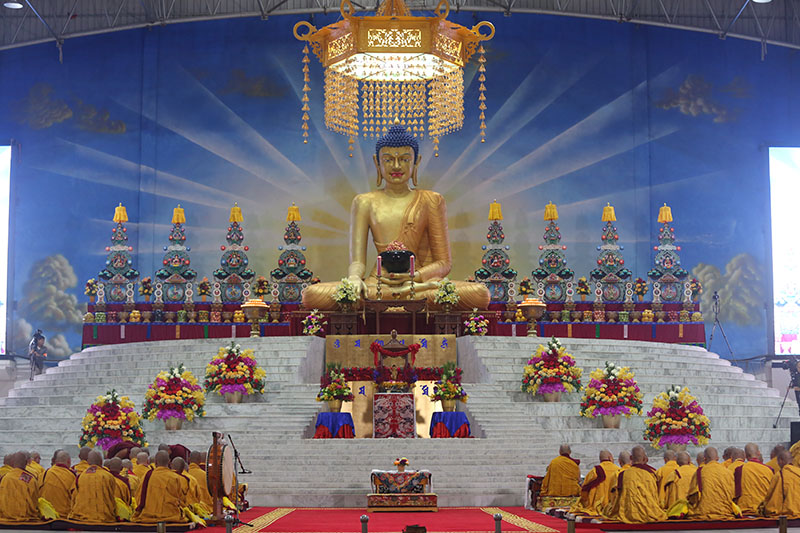
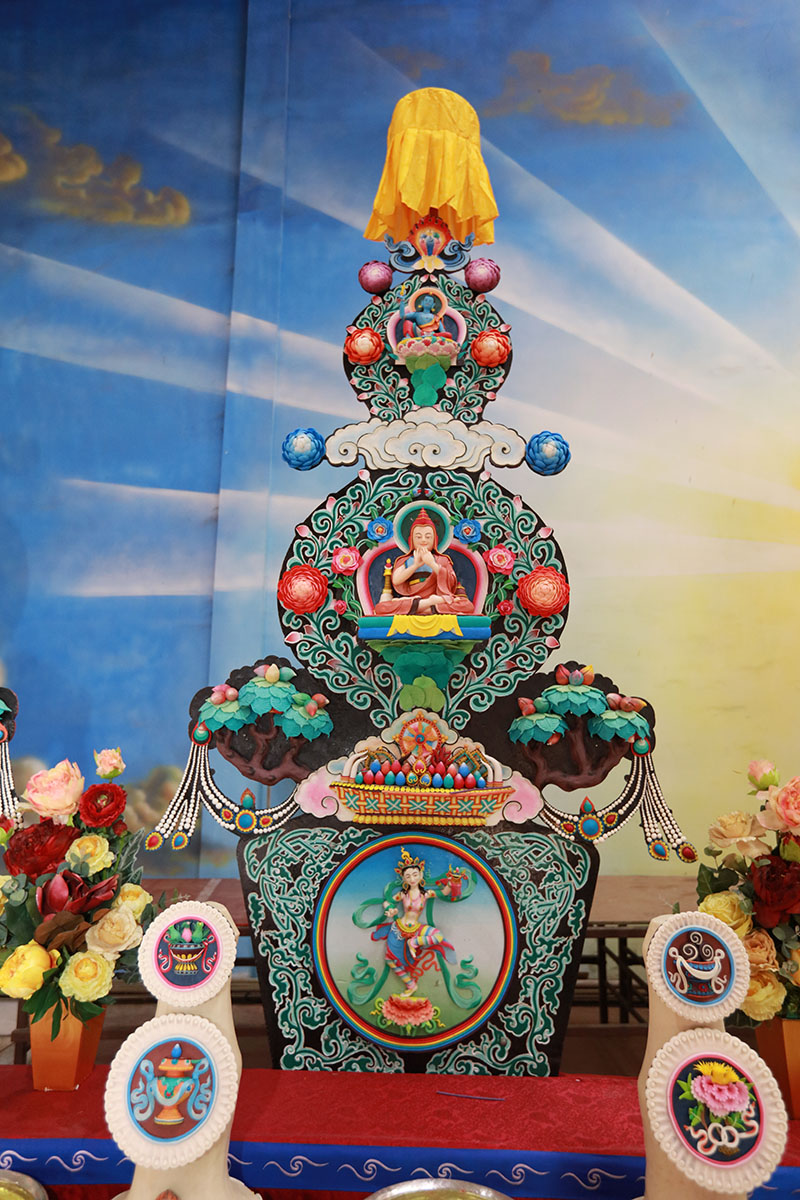
The Tormas at the 35th Kagyu Monlam

The Tormas at the 35th Kagyu Monlam

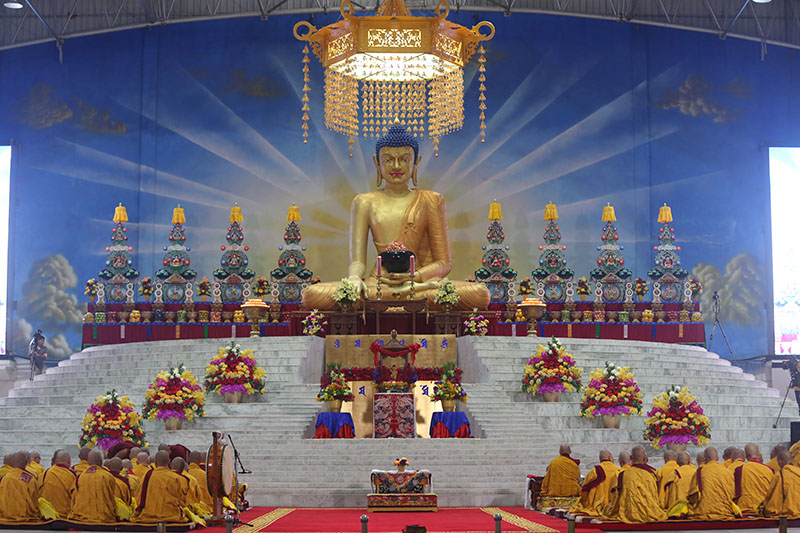
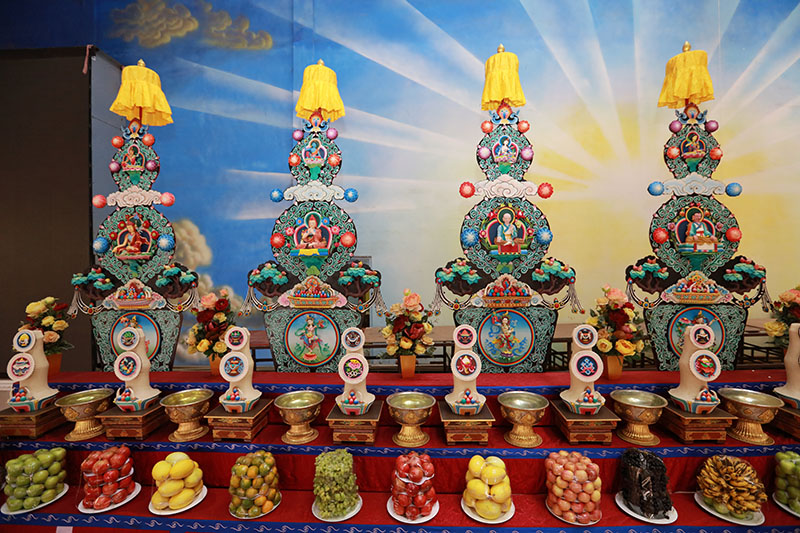
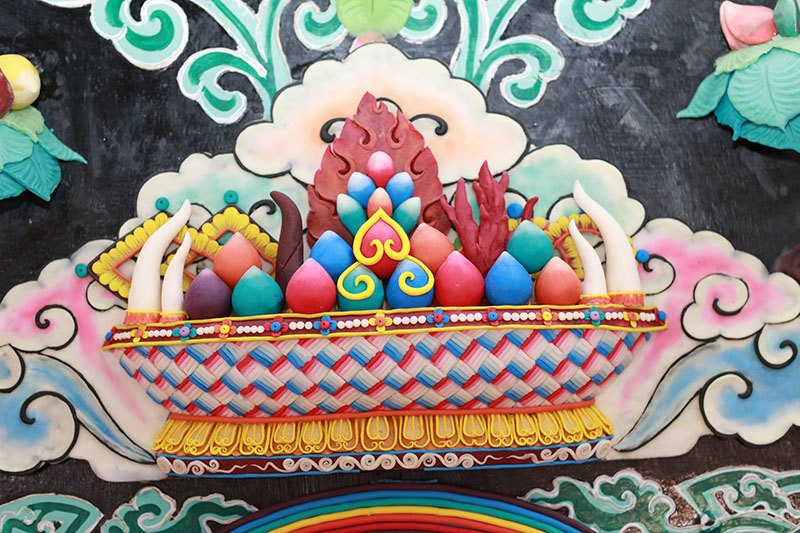
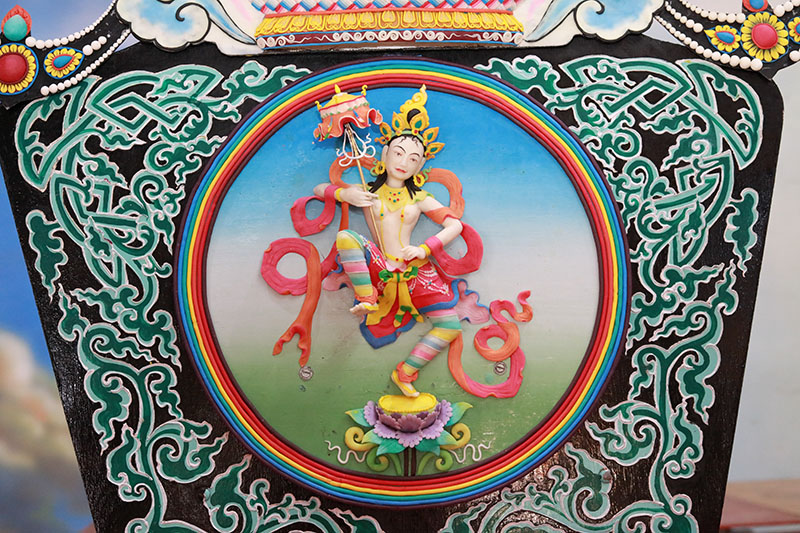
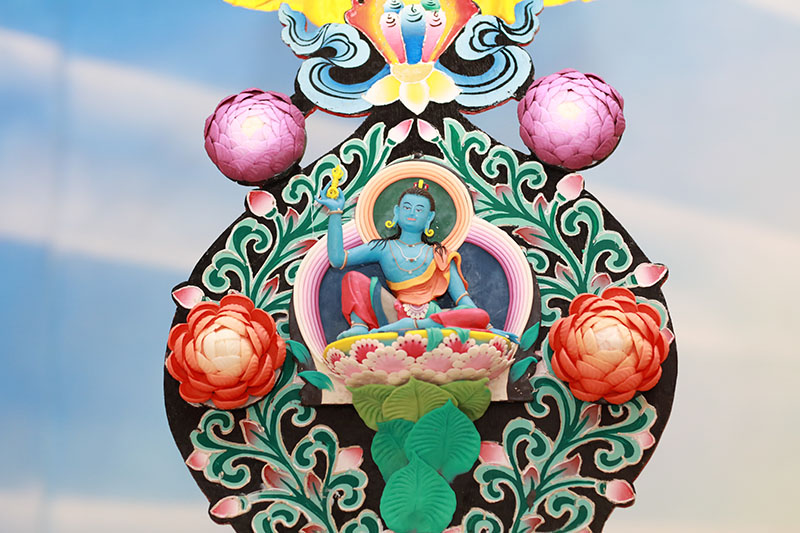
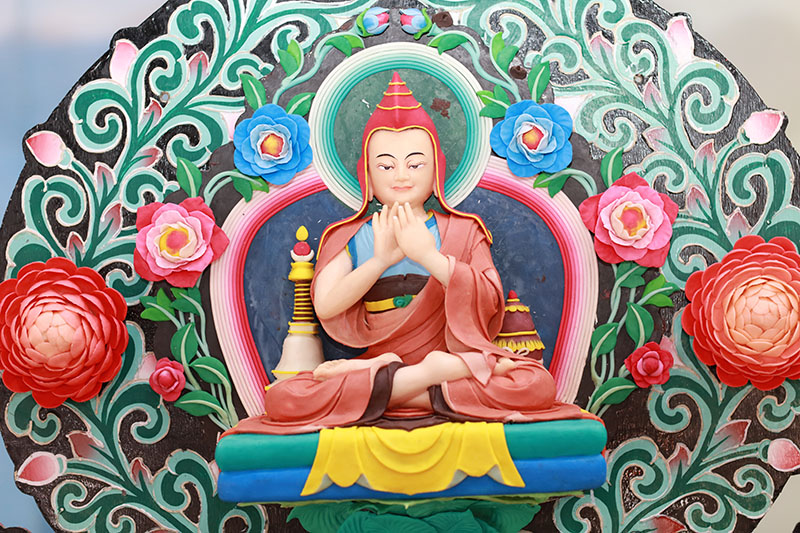
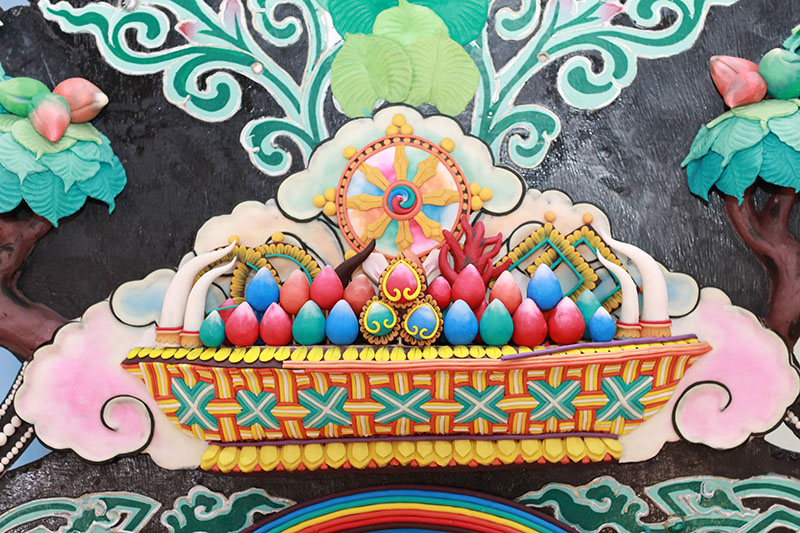
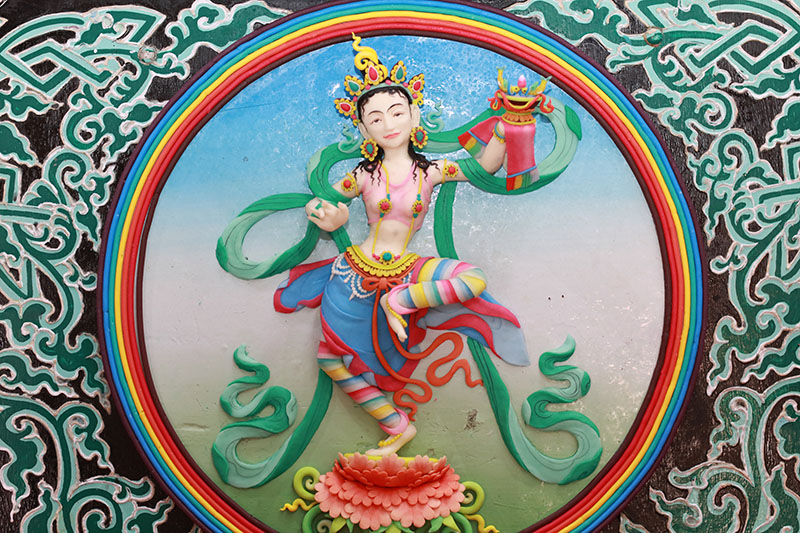
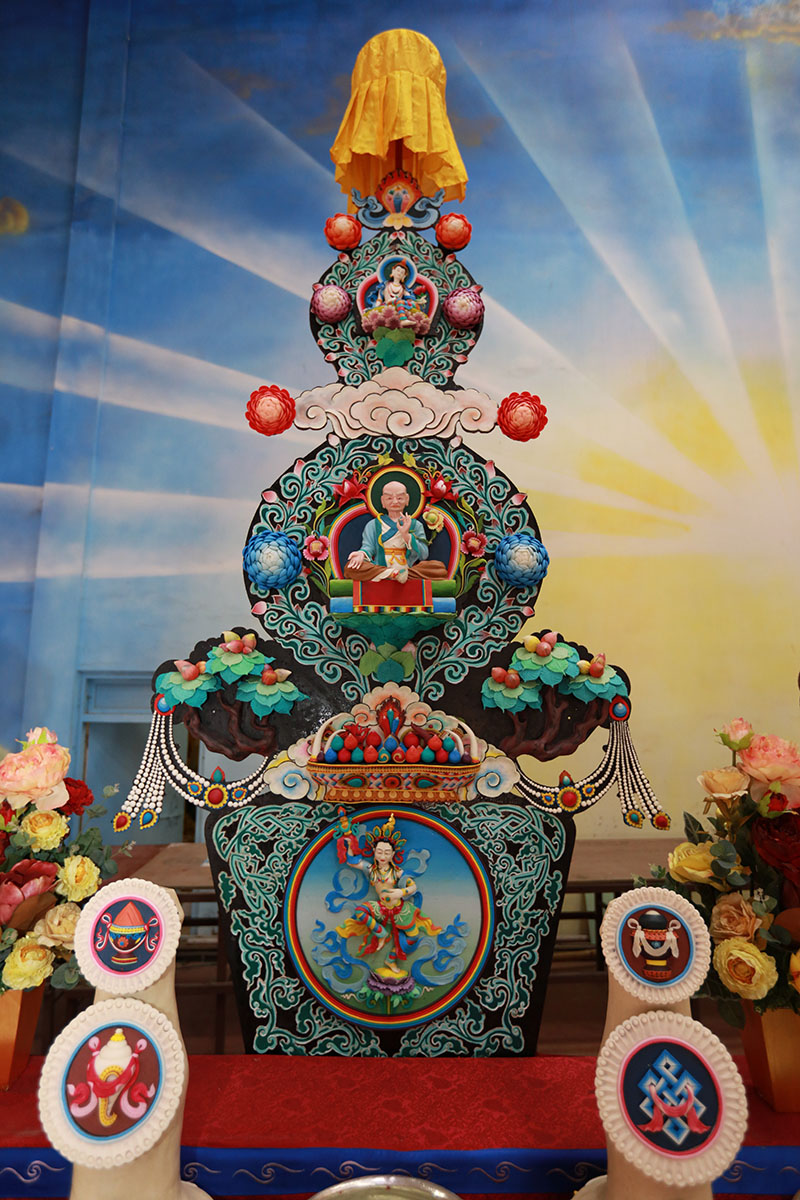
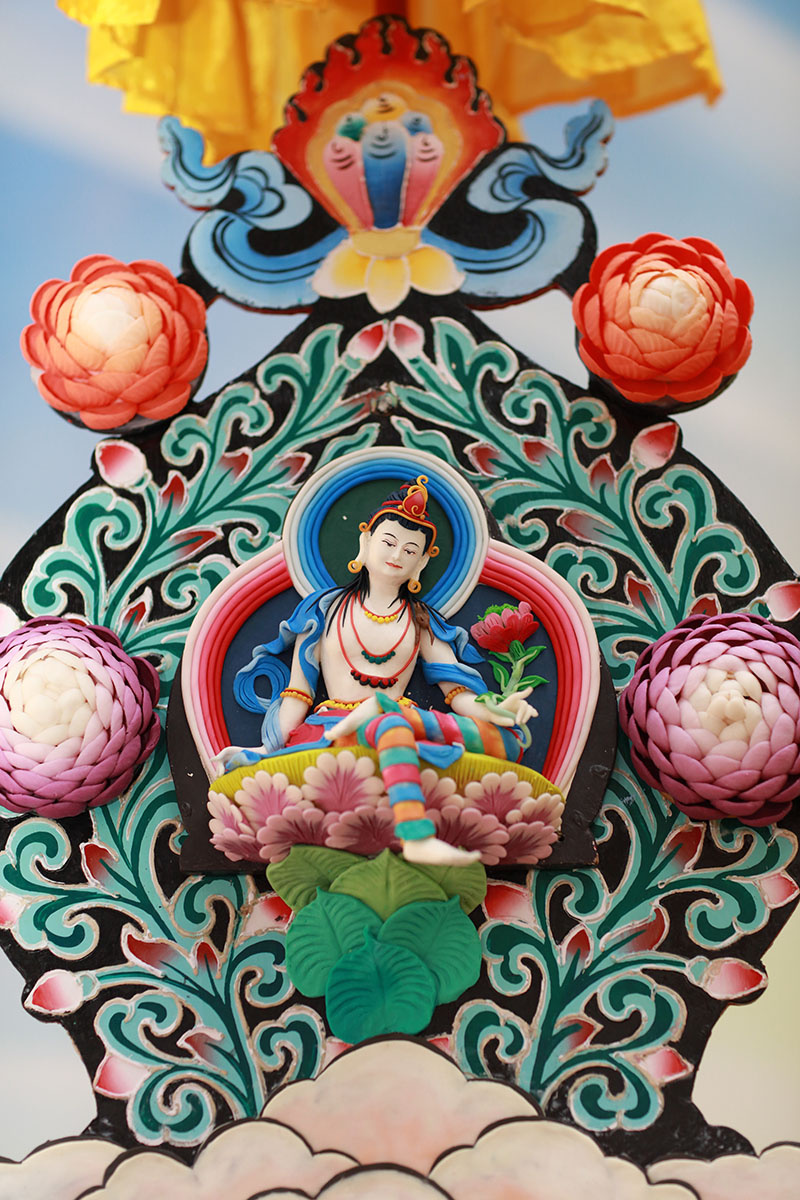
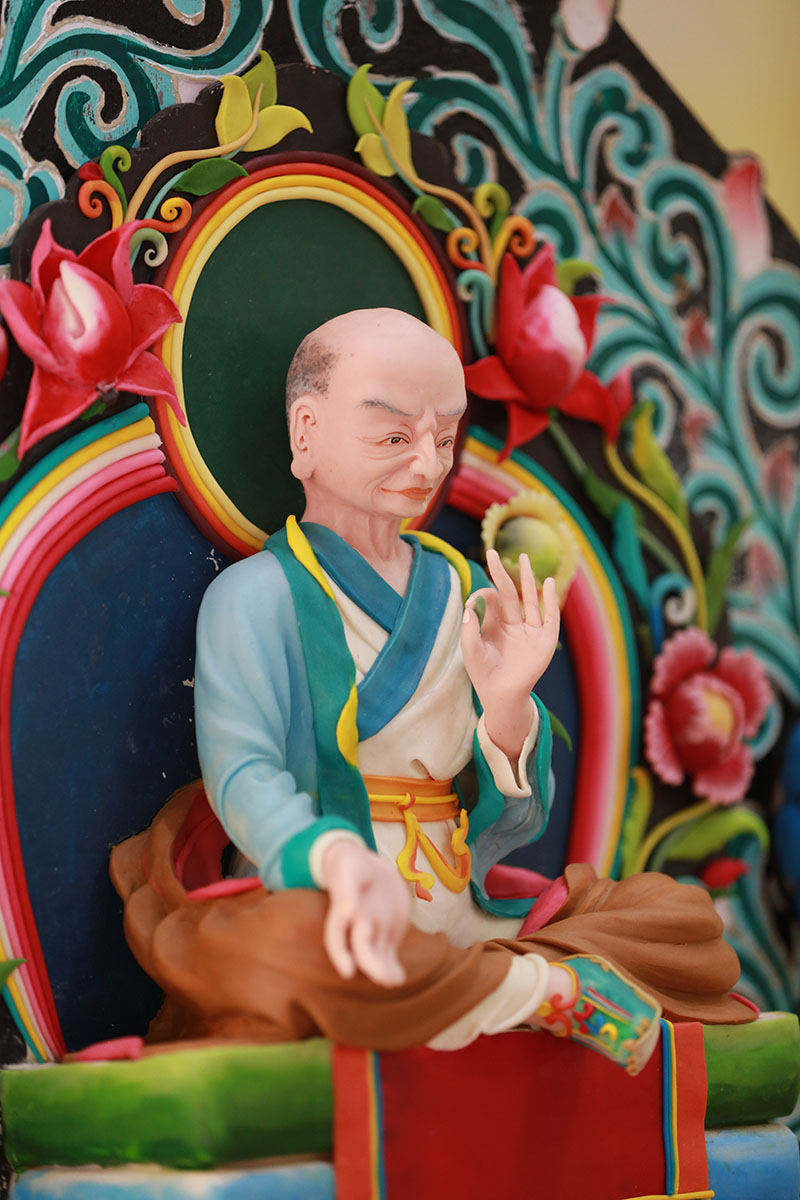
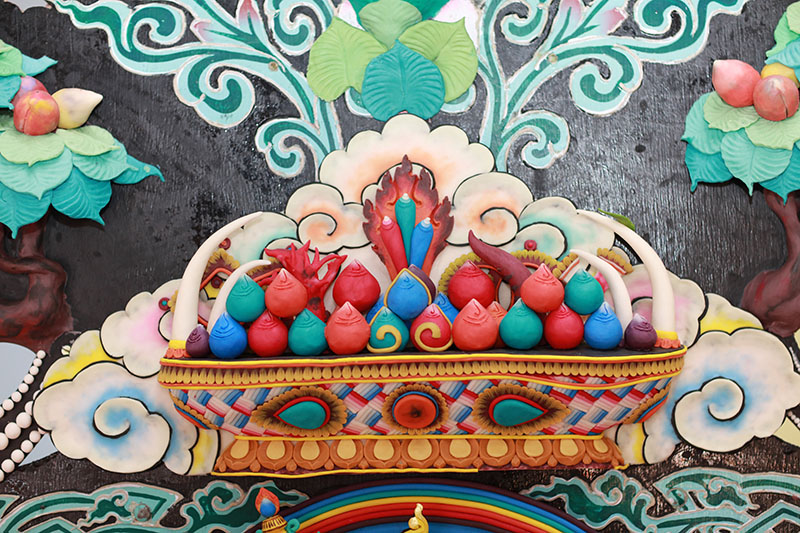
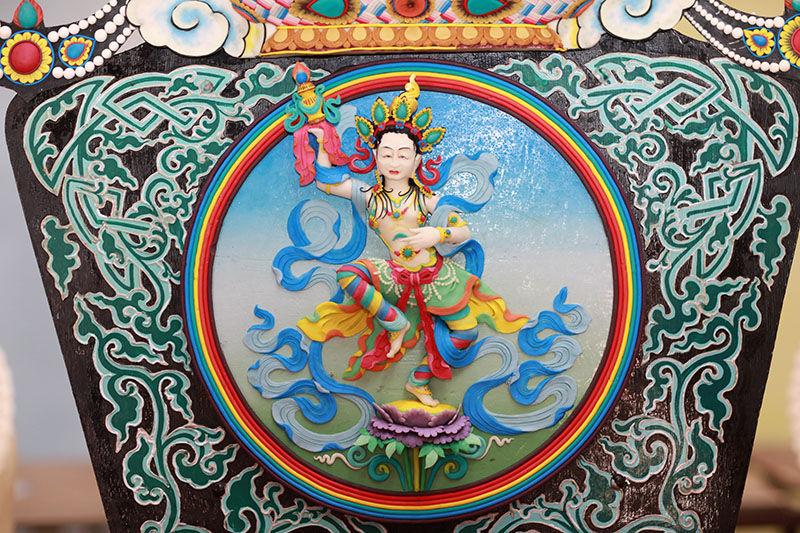
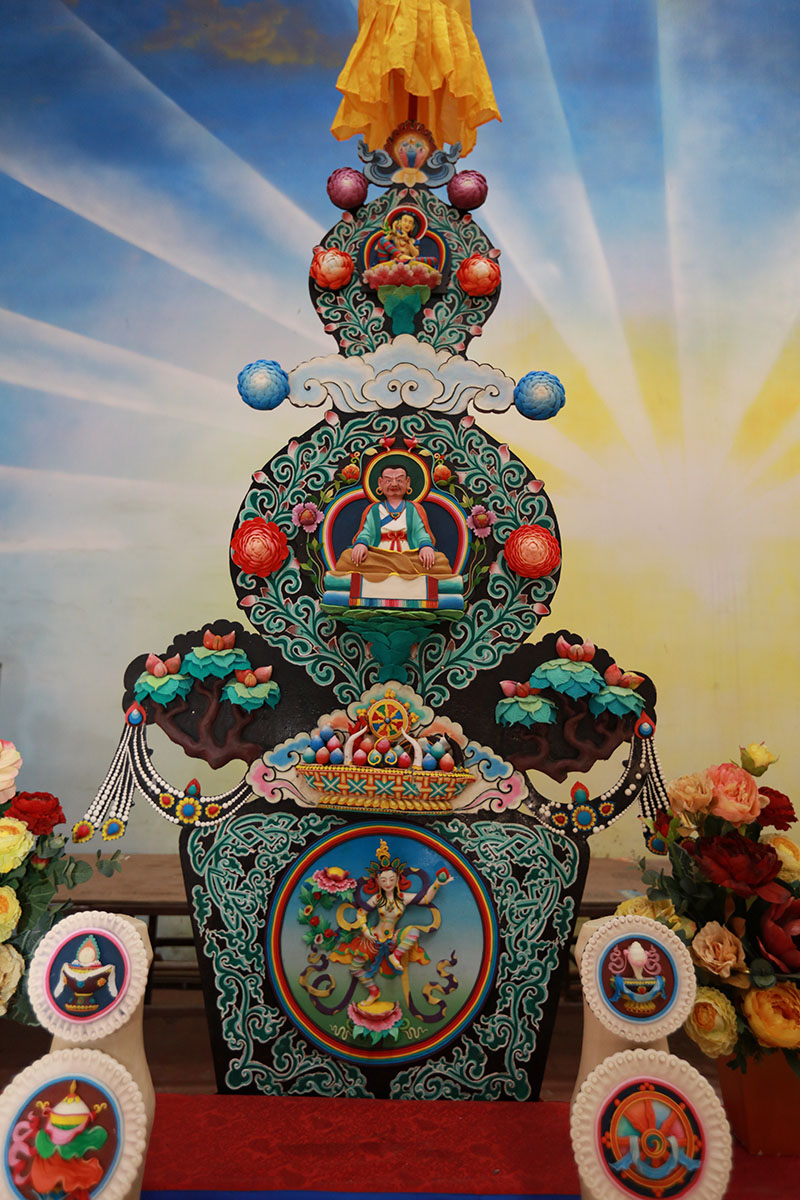
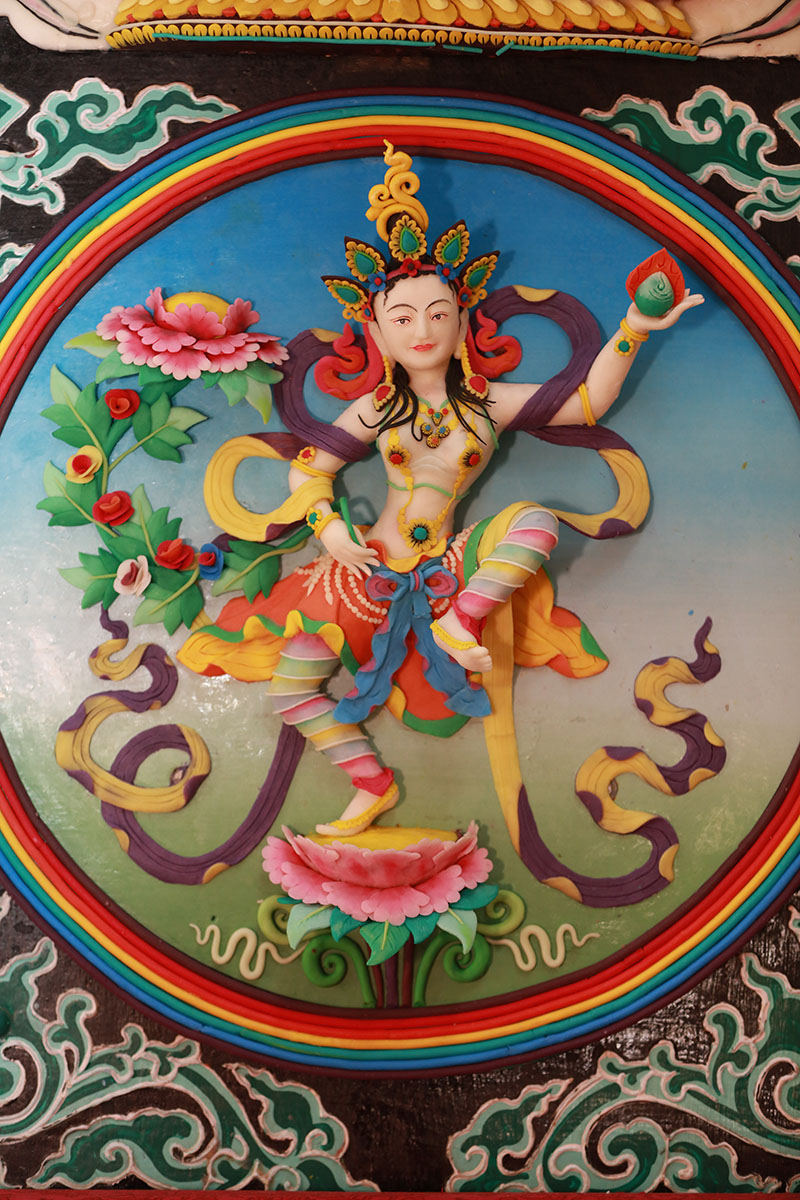
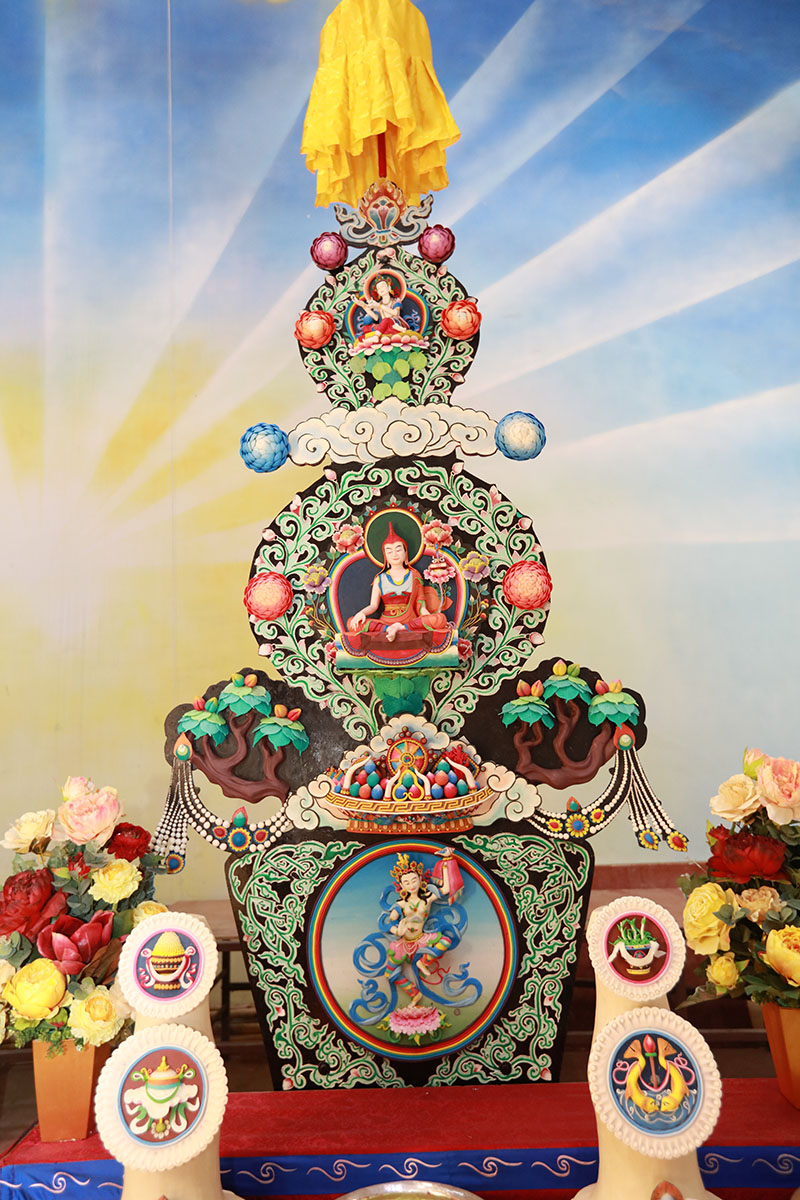
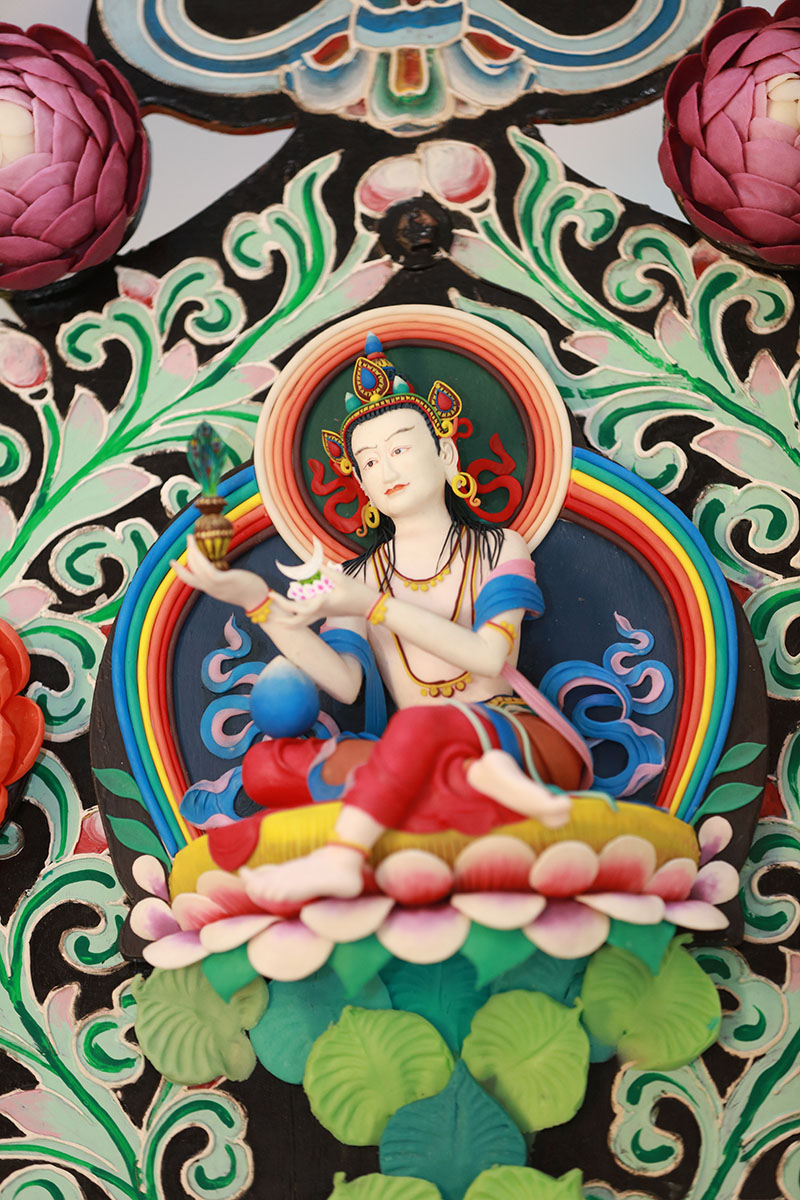
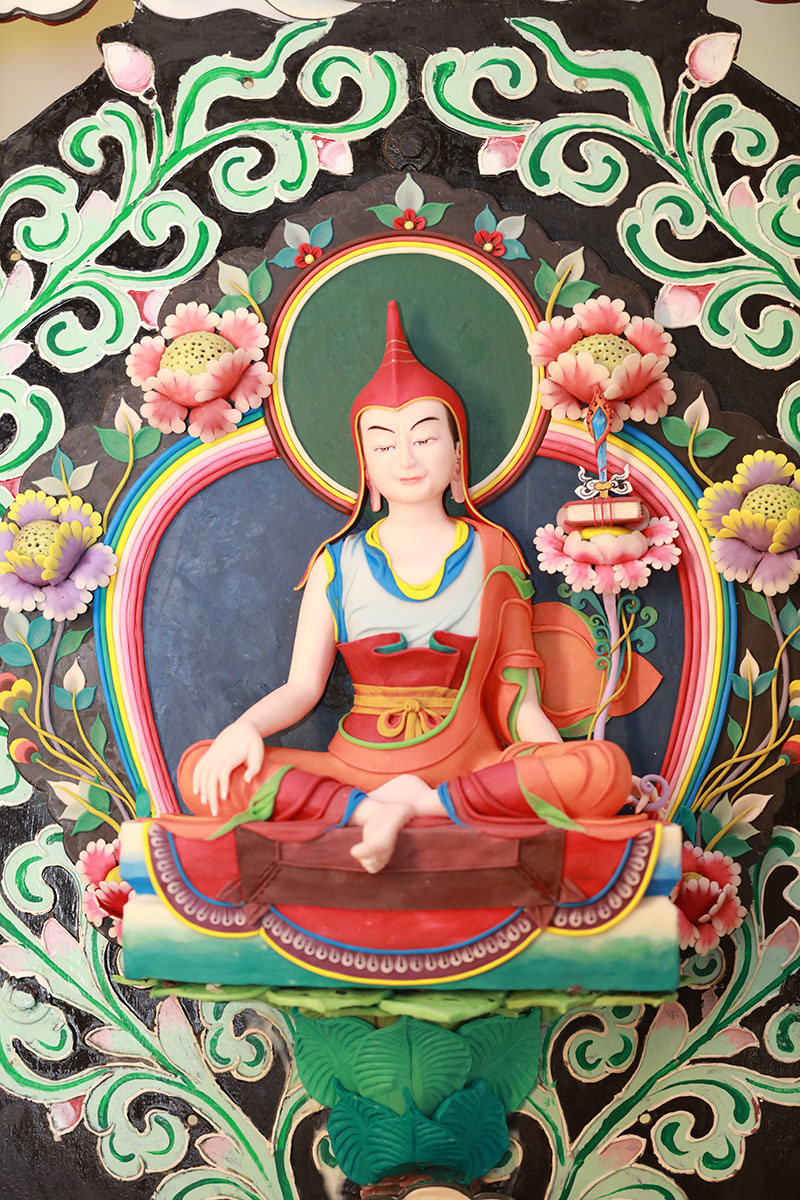
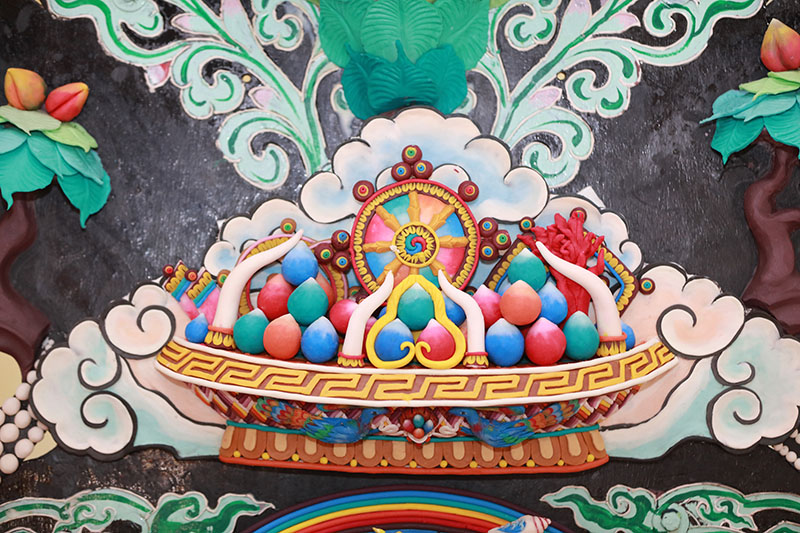
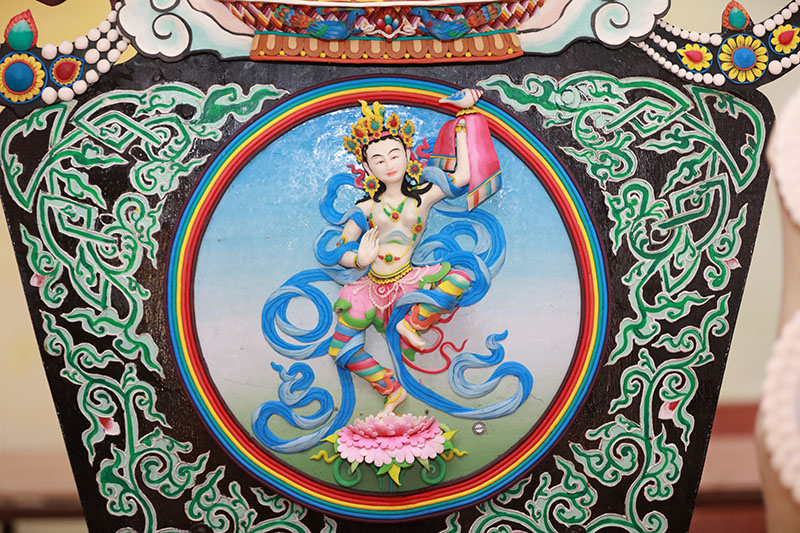
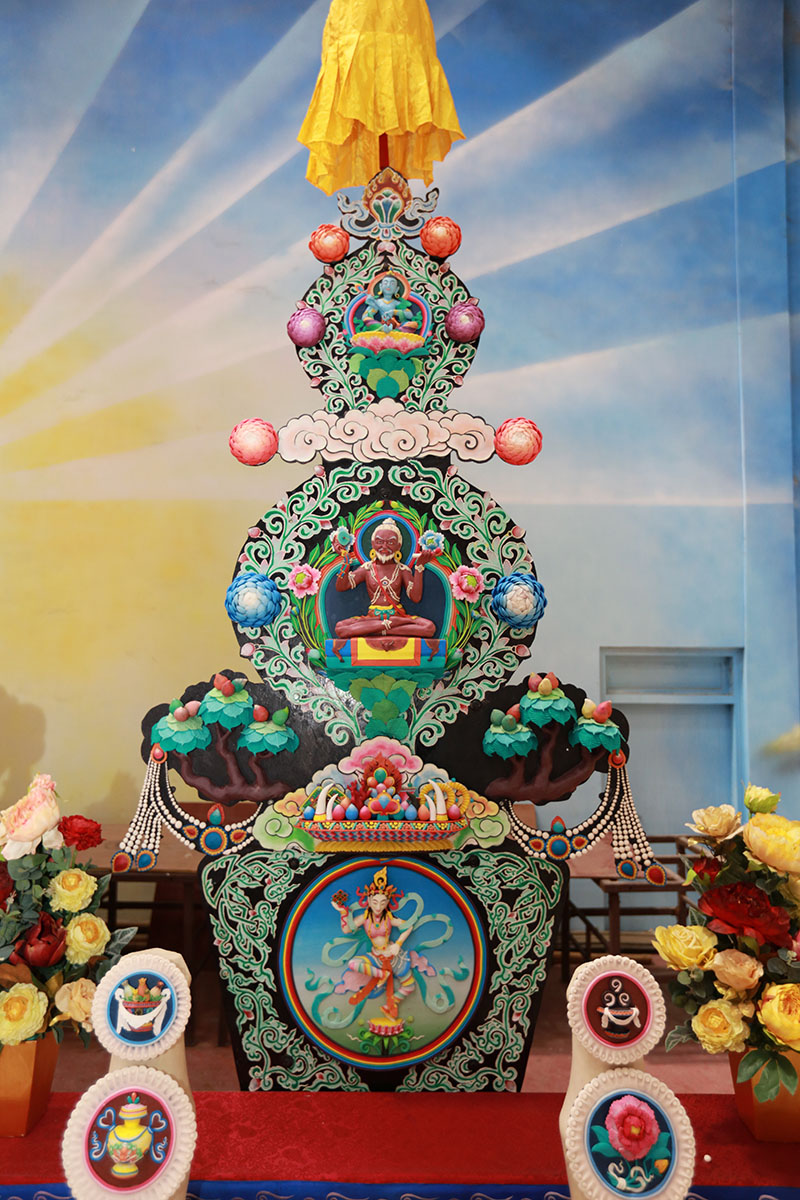
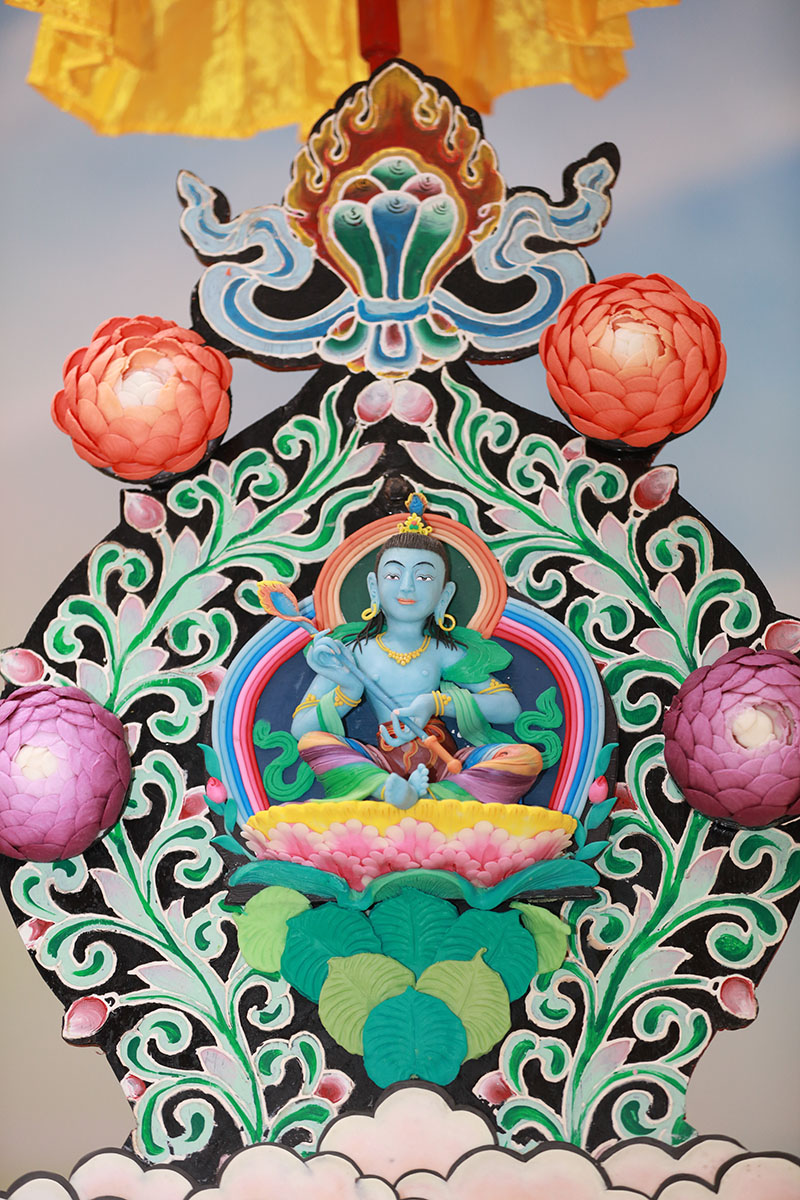
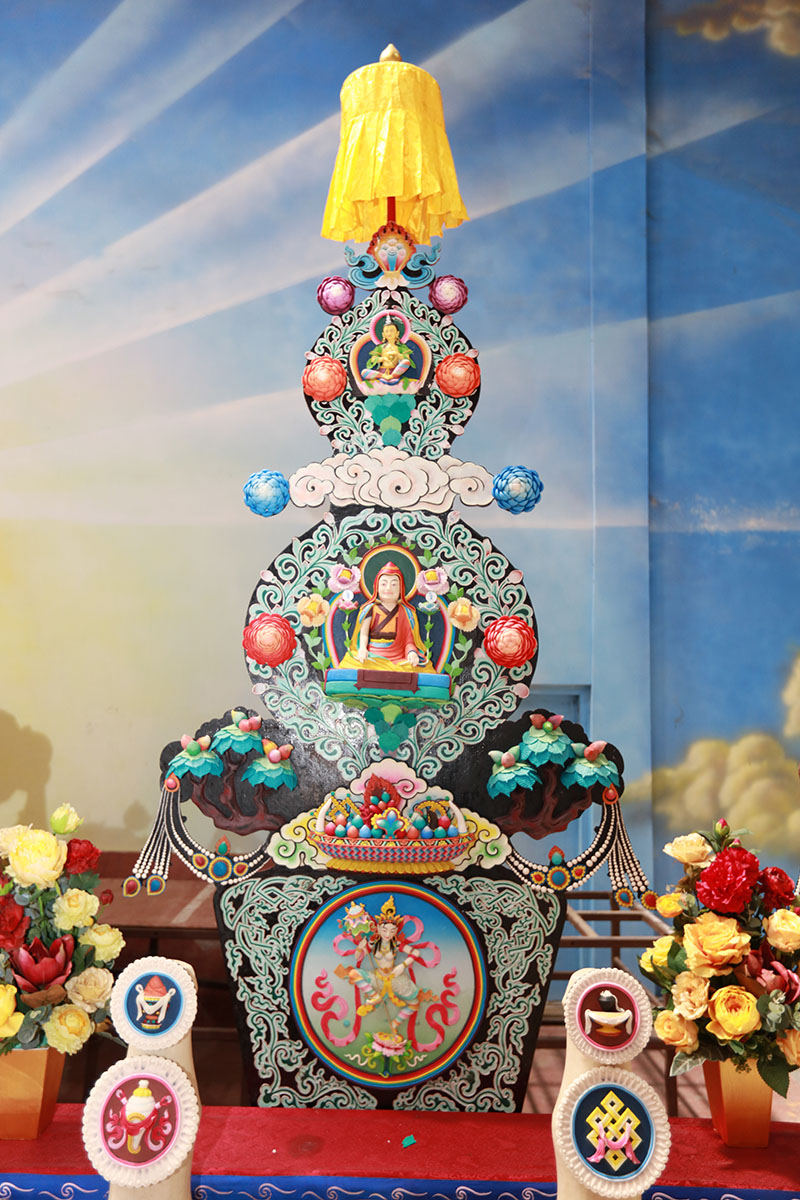
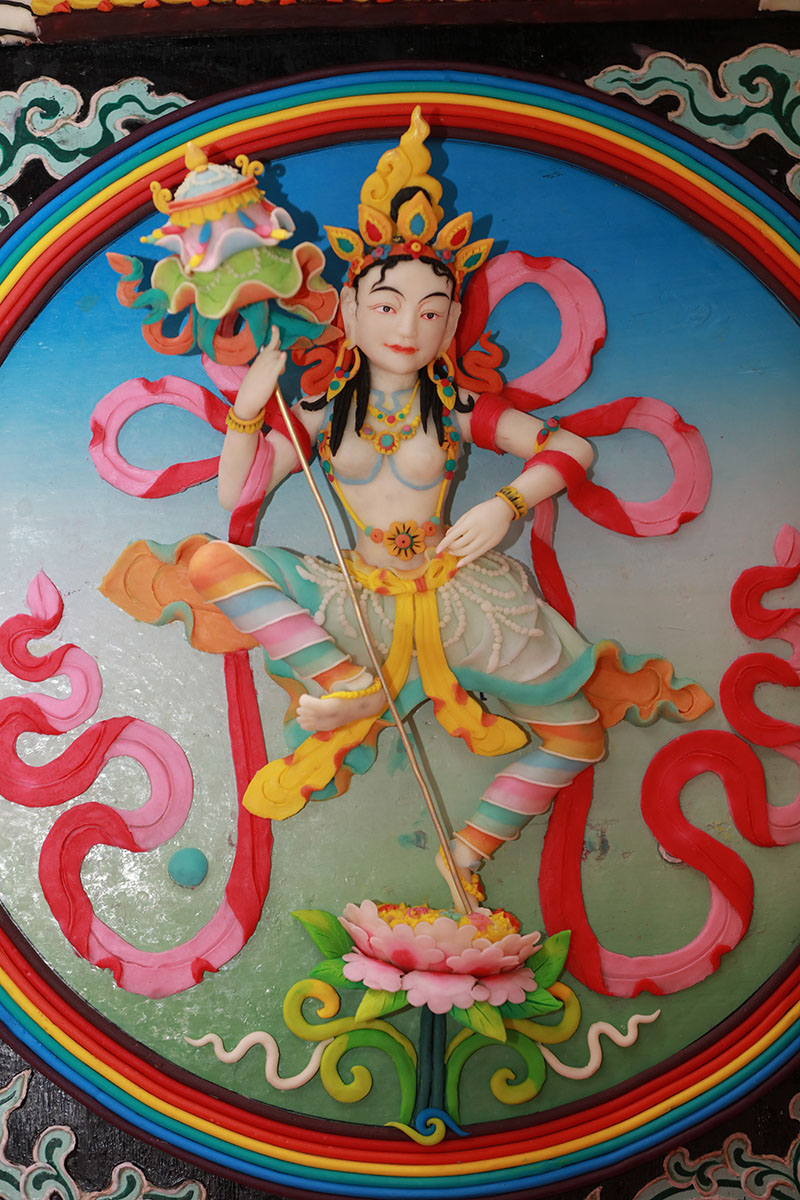
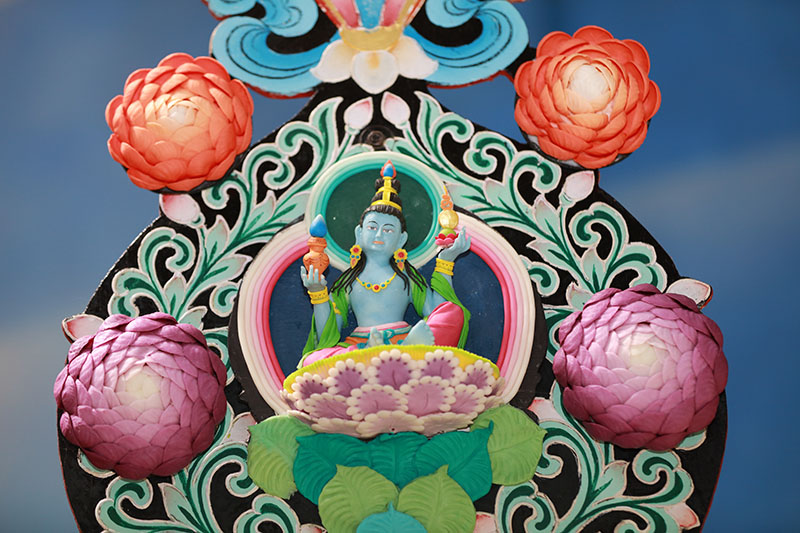
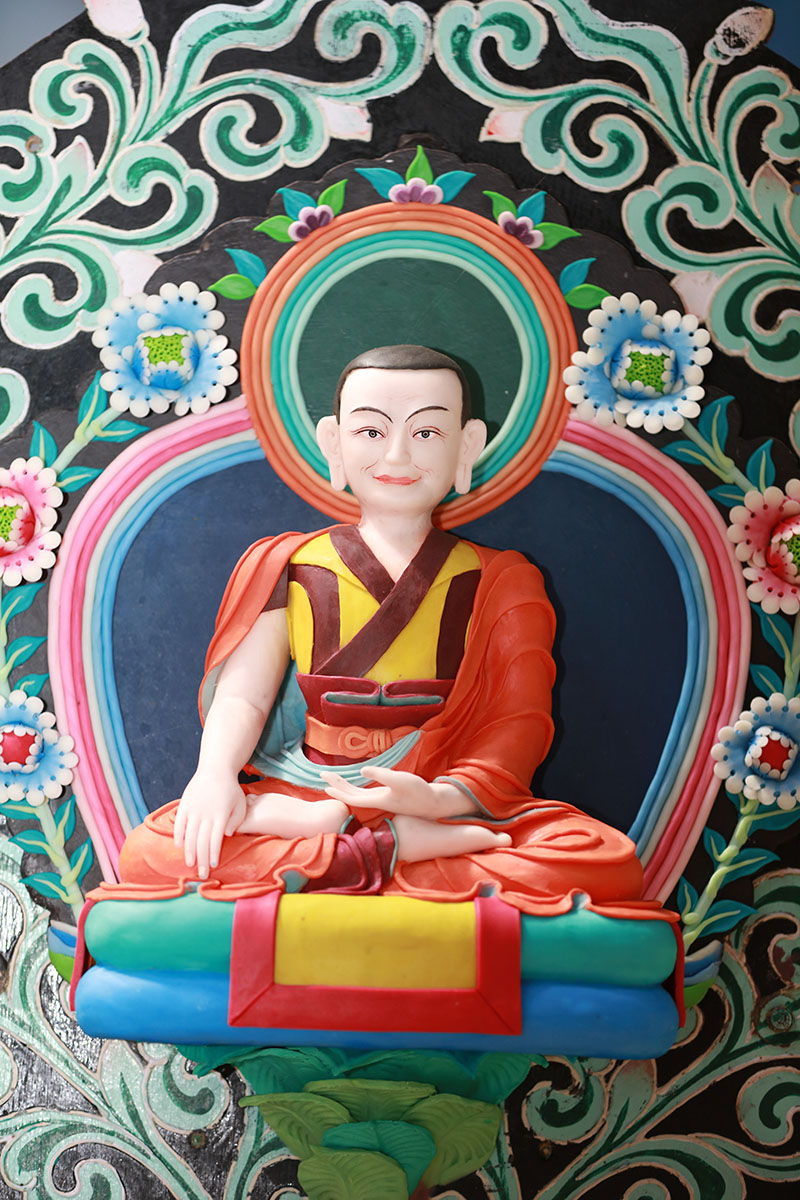
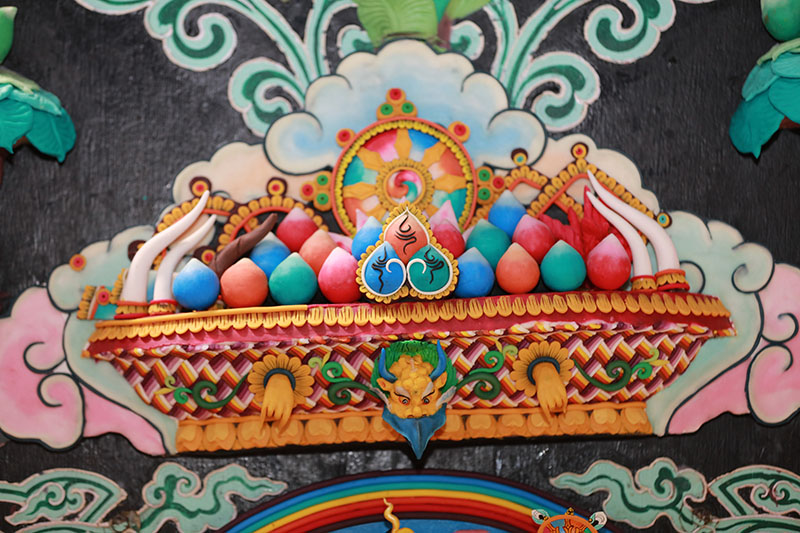
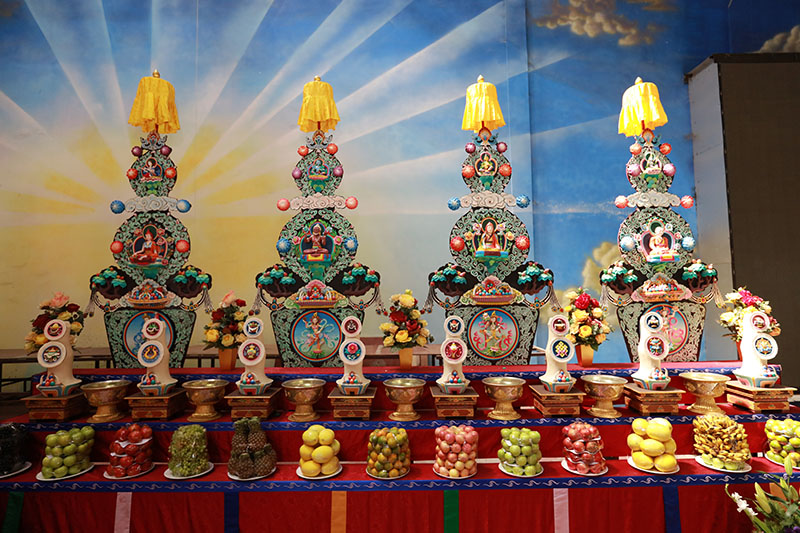
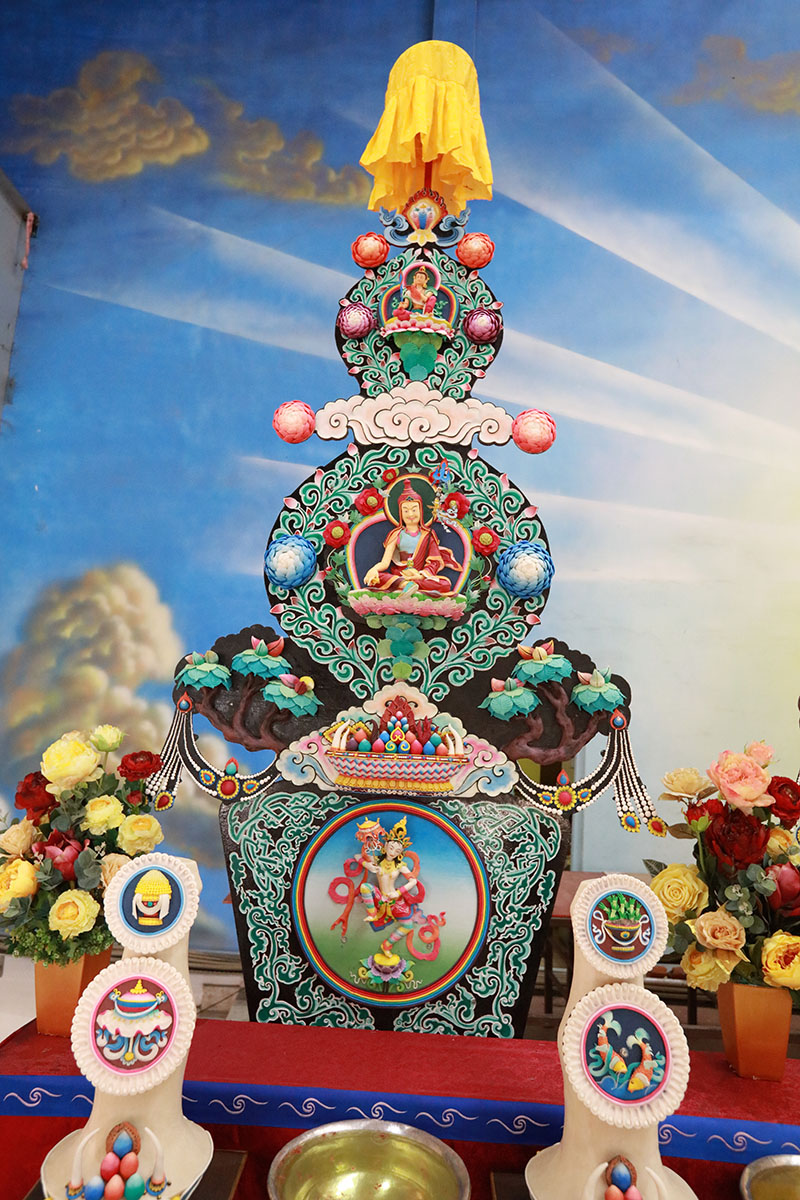
Spanning the stage, the eight great tormas at the 35th Kagyu Monlam celebrate the Eight Great Chariots of the Practice Lineages — the eight principal traditions which brought the Buddhist teachings from India to Tibet: Nyingma, Kadampa, Lamdre, Marpa Kagyu, Shangpa Kagyu, Shiche, Jodruk [Six-Branched Application] and Nyendrub.


1. General view


2. Nyingma, Kadampa, Lamdre, Marpa Kagyu


3. Shangpa Kagyu, Shiche, Jodruk and Nyendrub.


4. Nyingma Lineage


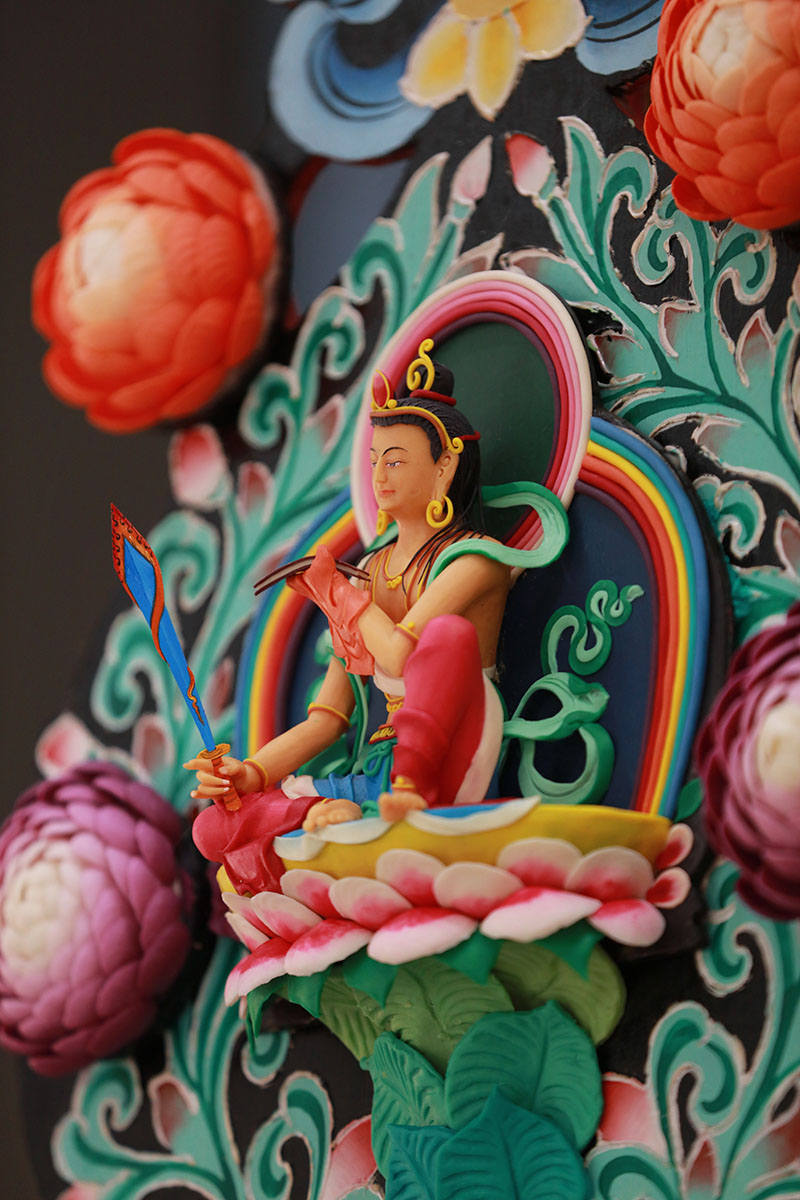
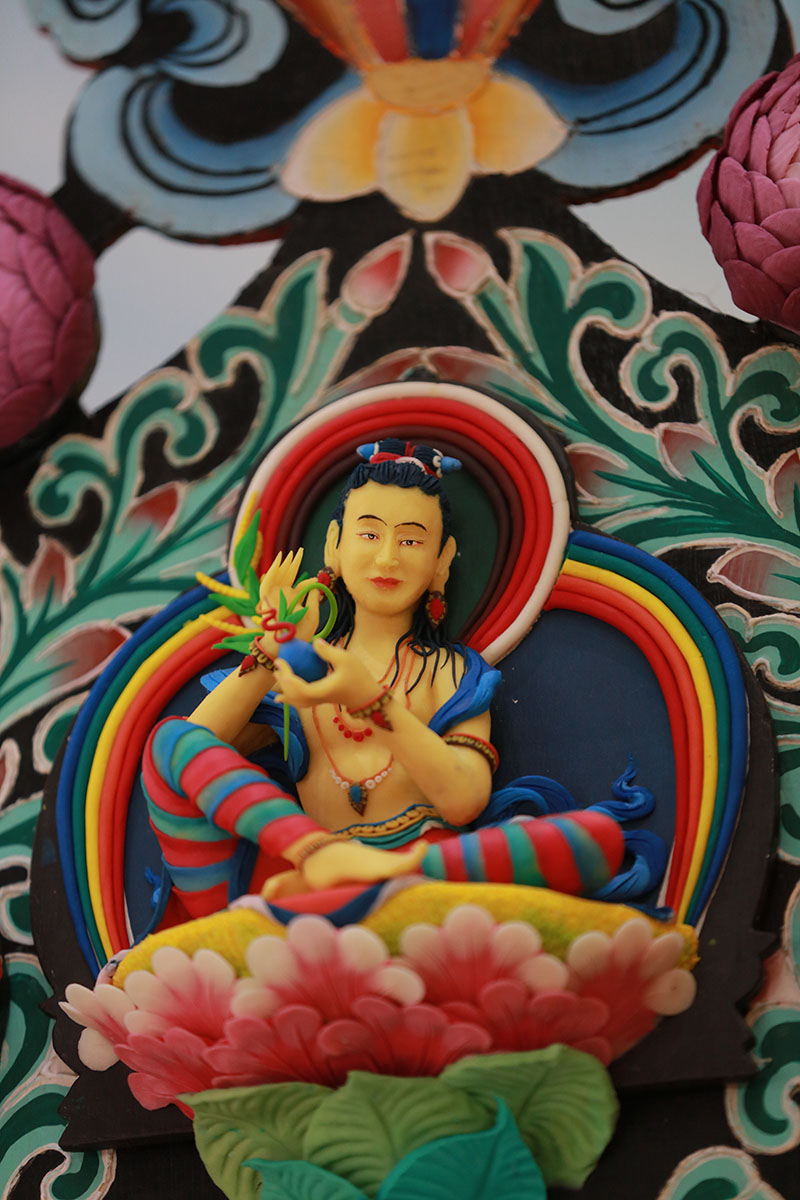
5. Bodhisattva Manjushri


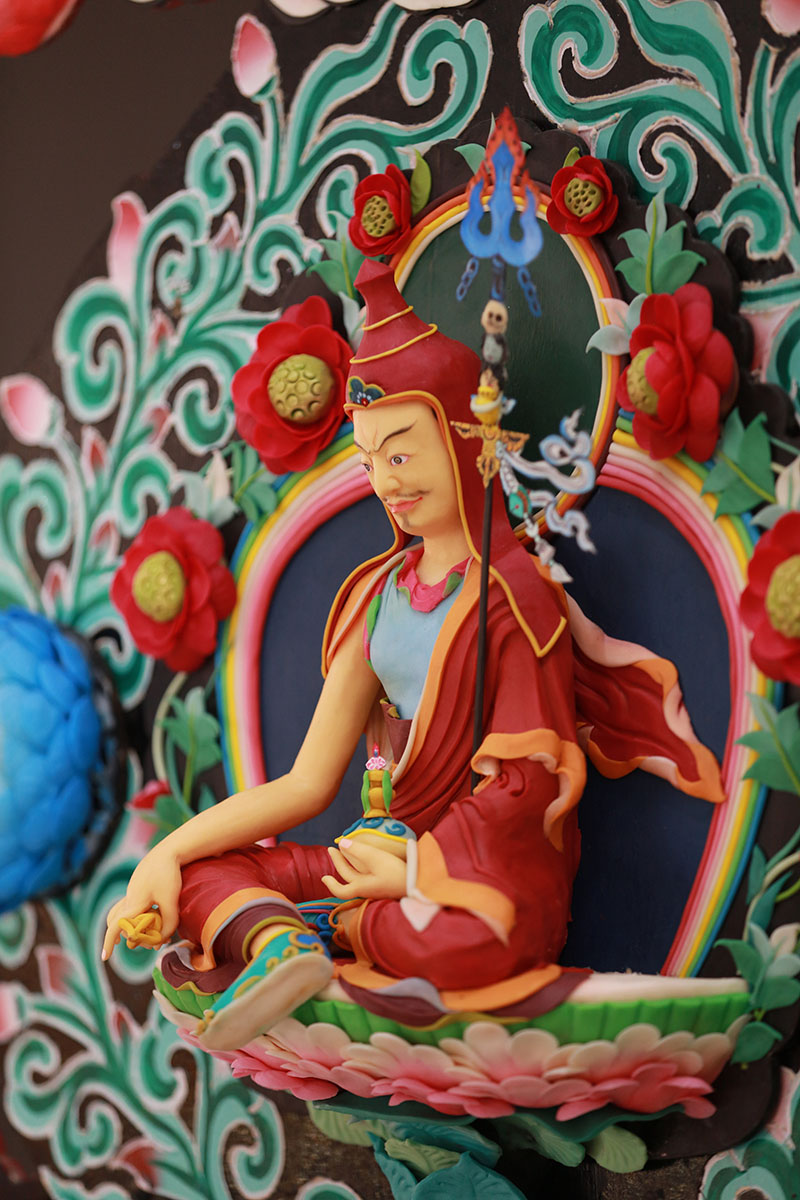
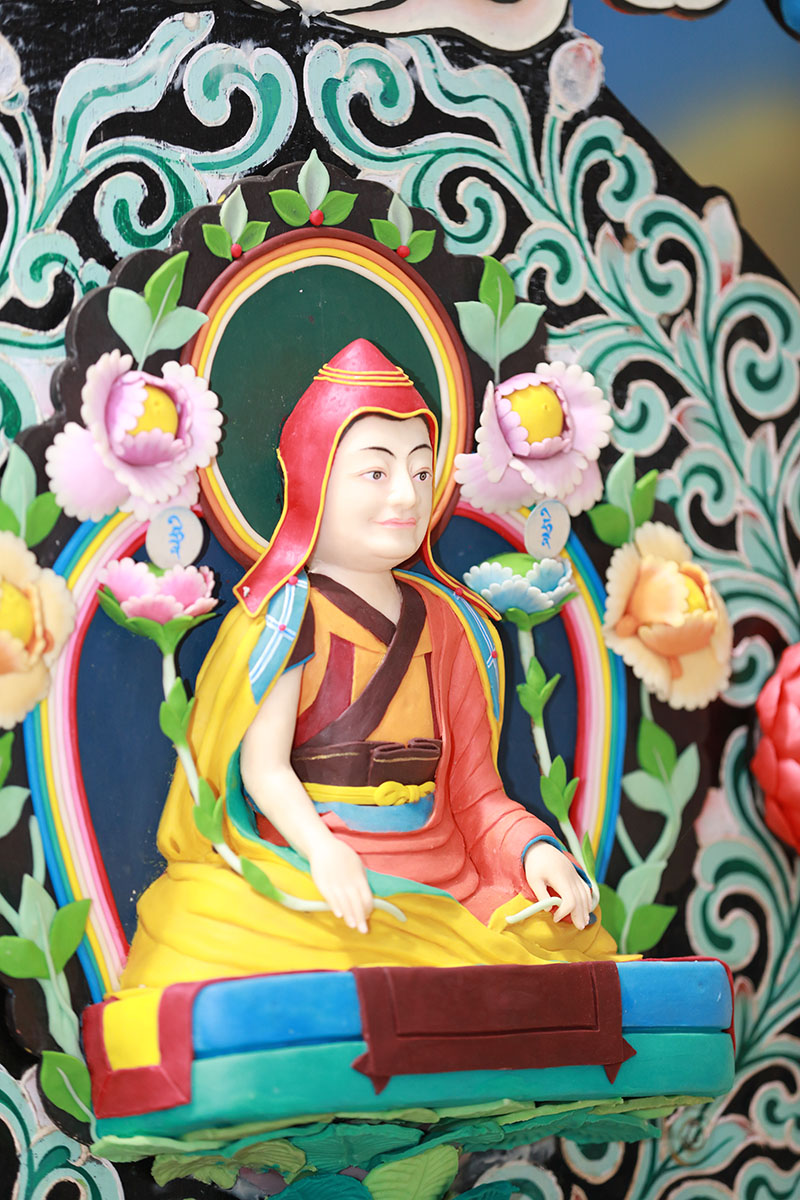
6. Padmasambhava


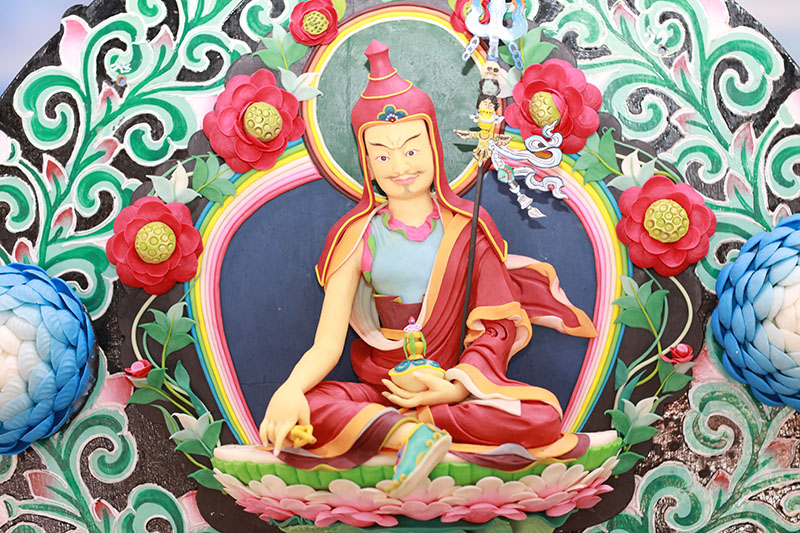
6A. Padmasambhava


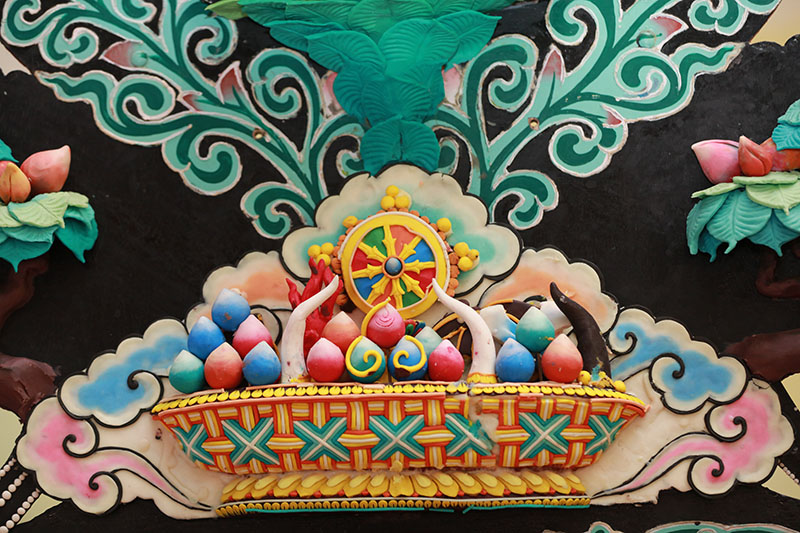
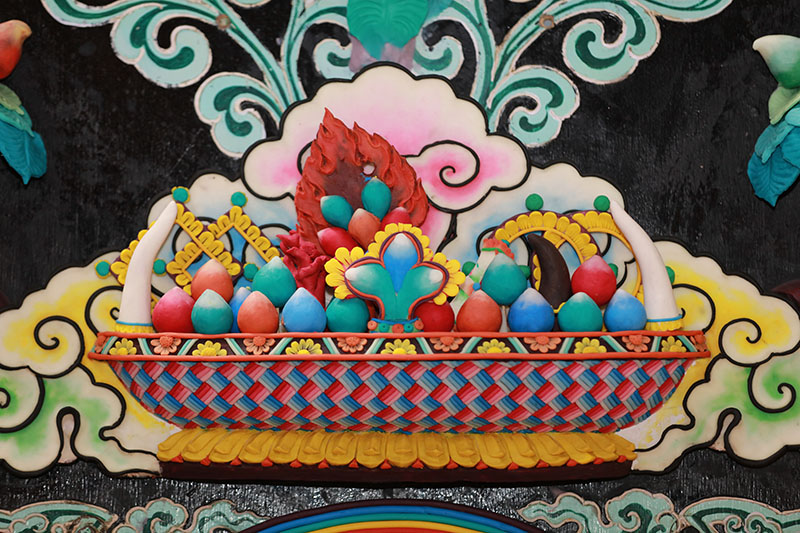
7. Offerings


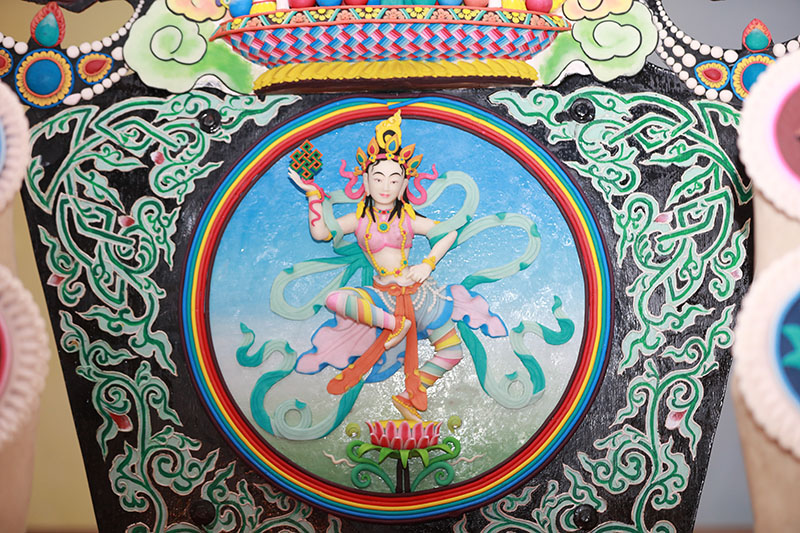
8. The Goddess of the Great Parasol


9. Kadampa Lineage


10. Bodhisattva Vajrapani


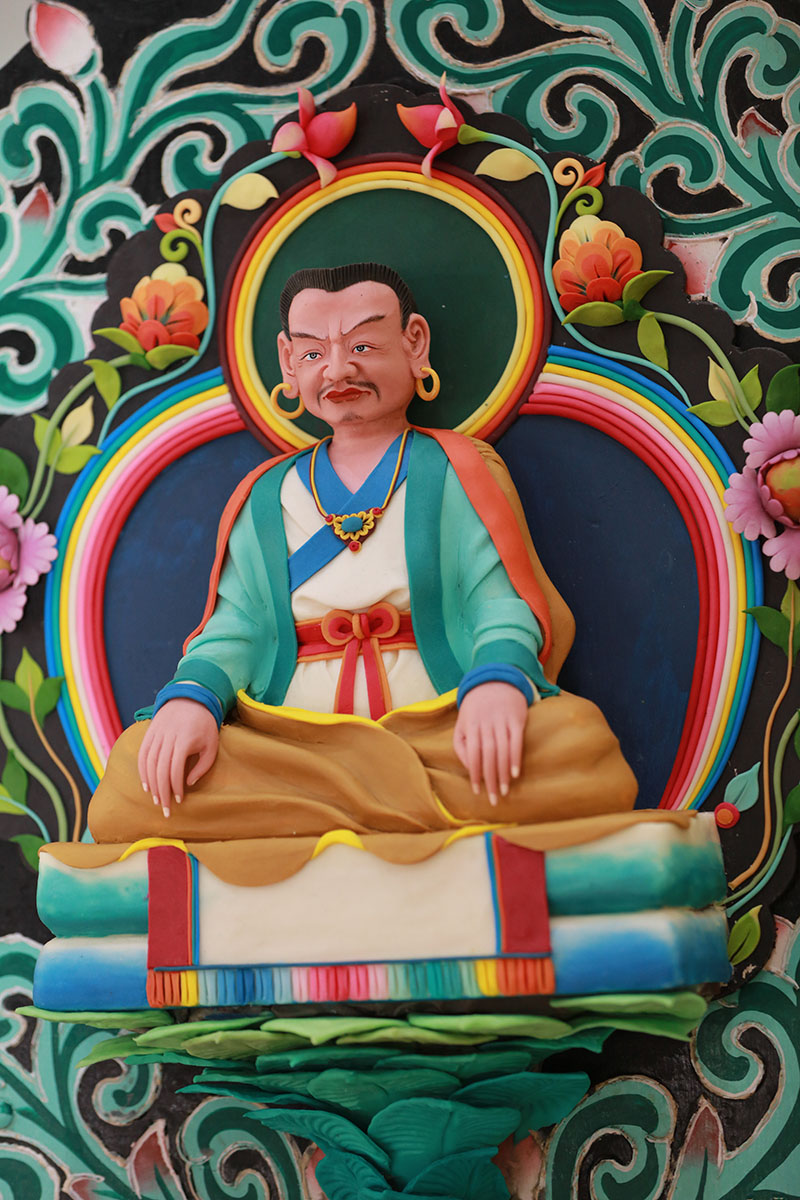
11. Lord Atisha


12. Offerings


13. The Goddess of the Golden Fish


14. Lamdre Lineage


15. Bodhisattva Avalokiteshvara


16. Sachen Kunga Nyingpo


17. Offerings


18. The Goddess of the Treasure Vase


19. Marpa Kagyu Lineage


20. Bodhisattva Kshitigarbha


21. Lord Marpa Lotsawa


22. Offerings


23. The Goddess of the Jewel.


24. Shangpa Kagyu


25. Bodhisattva Sarvanivaranaviskambhin


26. Khyungpo Naljor


27. Offerings


28. The Goddess of the White Conch


29. Shiche and Chöd Lineage


30. Bodhisattva Akashagarbha


31. Padampa Sangye.


32. Offerings


33. The Goddess of the Eternal Knot


34. Jodruk Lineage


35. Bodhisattva Maitreya


36. Dölpopa.


37. Offerings


38. The Goddess of the Victory Banner


39. The Nyendrub Lineage


40. Bodhisattva Samantabhadra


41. Orgyenpa


42. Offerings


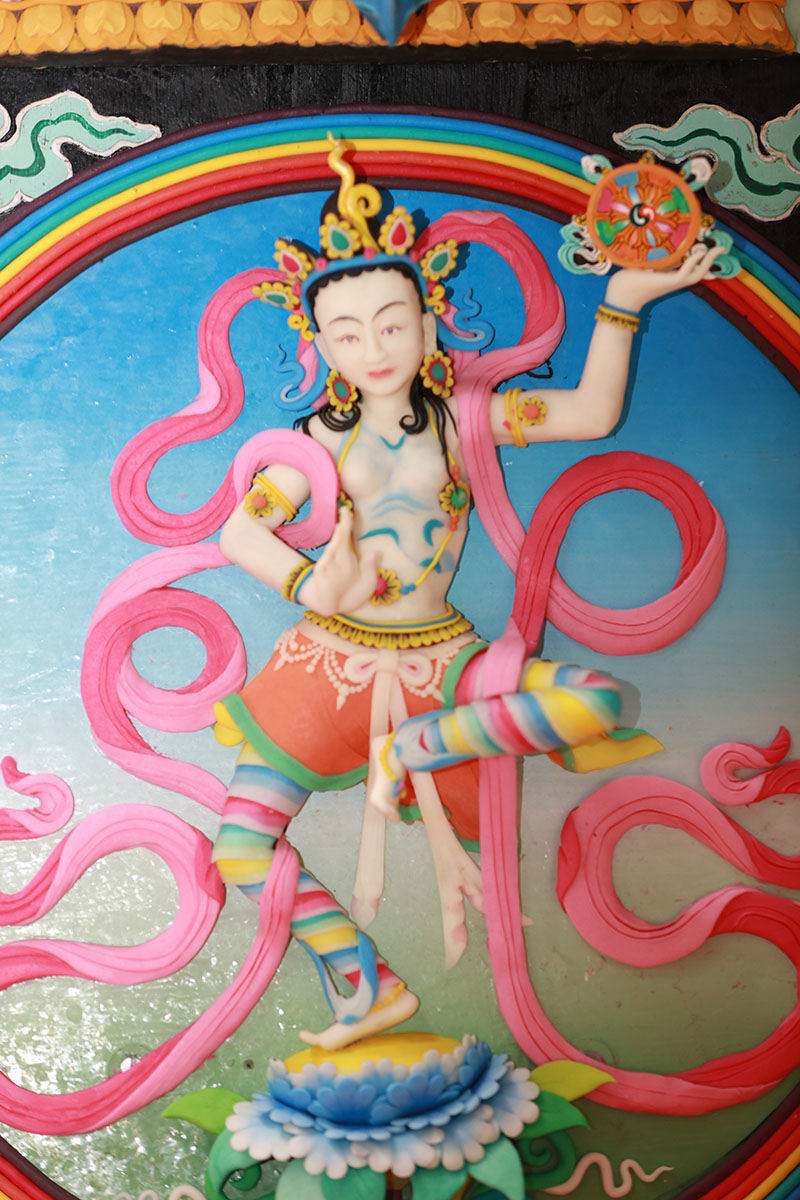
43. The Goddess of the Eight-Spoked Dharma Wheel


Generating Heat: The Cotton-Clad Procession

Generating Heat: The Cotton-Clad Procession

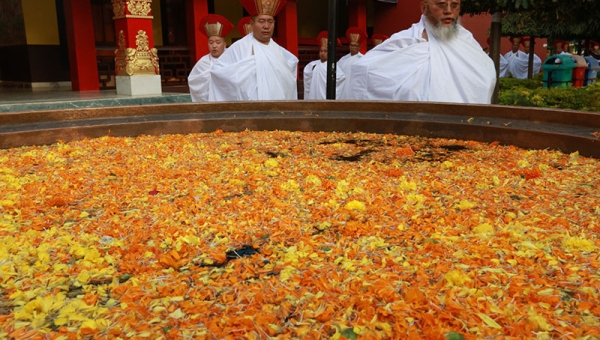
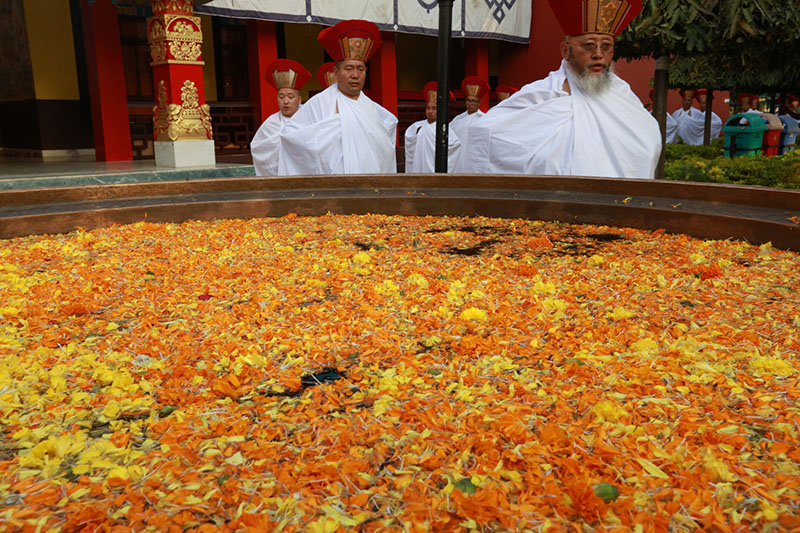
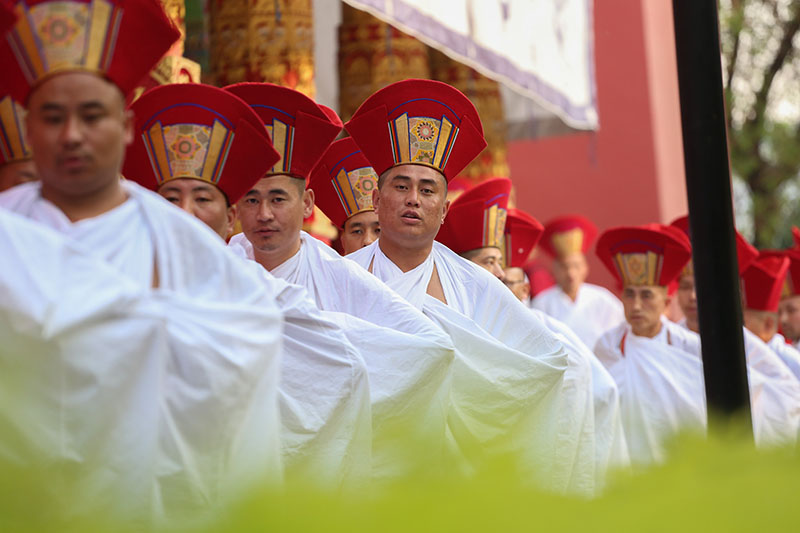
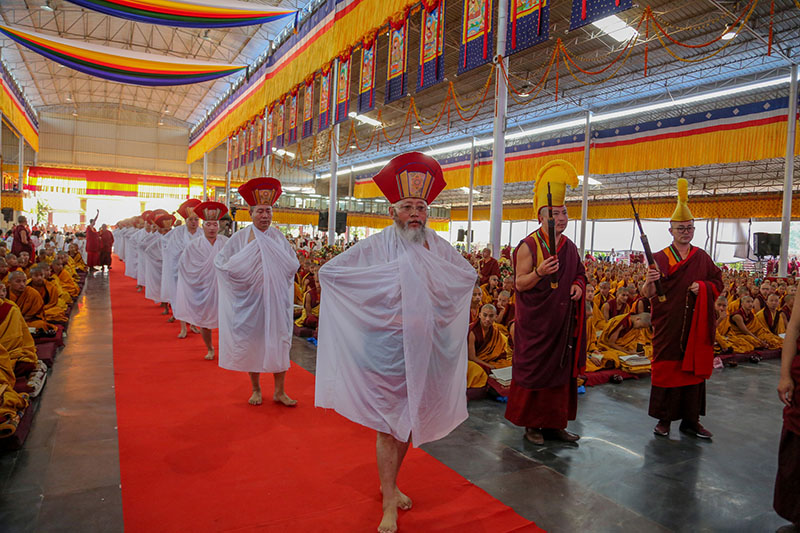
On another clear morning, just after the sun rises over the sandy, dry Nairañjanā River bed, the cotton-clad retreat lamas emerge one by one from Tergar Shrine draped in their white cotton cloth and red Kagyu hat. Continuing the tradition His Holiness Karmapa revived at the previous Monlam, retreatants practiced the Yogas of Naropa into the late evenings of the Monlam beginning on February 26. Inside, the windows of Tergar are covered with thick, orange curtains so that the meditators will not be interrupted by spectators, if any should try to peer in. Announcements are made throughout the Monlam requesting attendees to be respectful of the retreatants, since these are secret practices. On the sixth evening, the retreatants practice from eight in the evening all night until six the next morning, emerging in their white cotton cloth, in the tradition of Milarepa.


1. After slowly circumabulating around Tergar in a single-file line, they return to the front of the shrine where they each remove the dry cloth and dip it into the large urn filled with water and yellow and orange carnation flower petals.


2. The retreatants drape the wet garment while generating body heat to dry the cloth in an exercise known as tummo, a meditation practice used for gaining control over the body, found in the Six Yogas of Naropa.


3. Hands on their hips, reciting and eight-line supplication, they process in towards the pavilion.


4. Lay devotees line the path with khatas held out in offering; some manage to balance a khata while taking photos of the procession with their cell phones.


5. Reaching the pavilion, the cotton-clad lamas enter down the red-carpeted center aisle at an intentional pace.


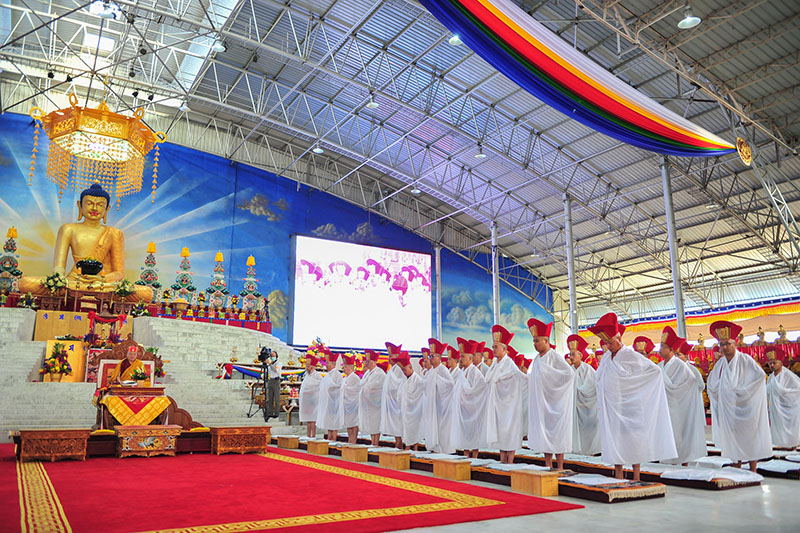
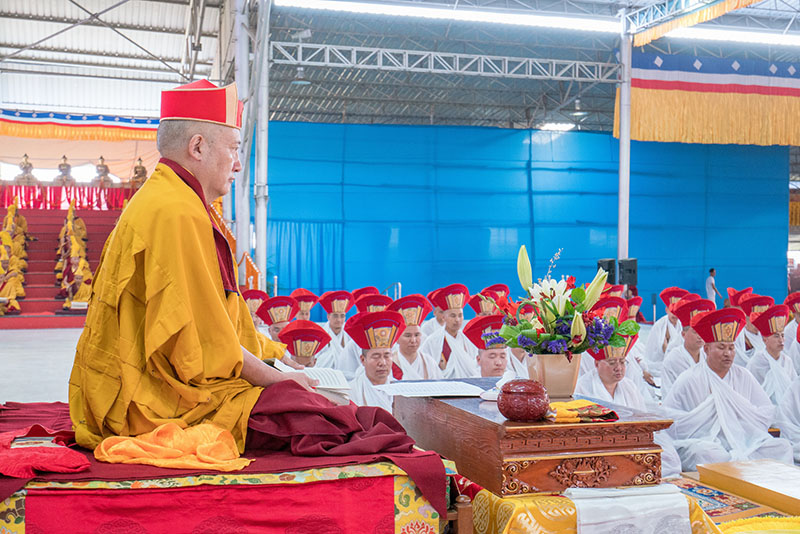
6. Once they reach the stage, they line up in rows seated to Gyaltsap Rinpoche’s left, and take their seats sat facing the other Sangha and recite Offerings to the Gurus. This lineage of great practitioners continues the revival of the cotton-clad tradition.


7. As the session ended, the retreat lamas and gelongs received offerings, and then monks and nuns quickly dispersed through the pavilion distributing the tsok offerings to everyone in the pavilion.


Akshobhya Fire Puja 2018

Akshobhya Fire Puja 2018

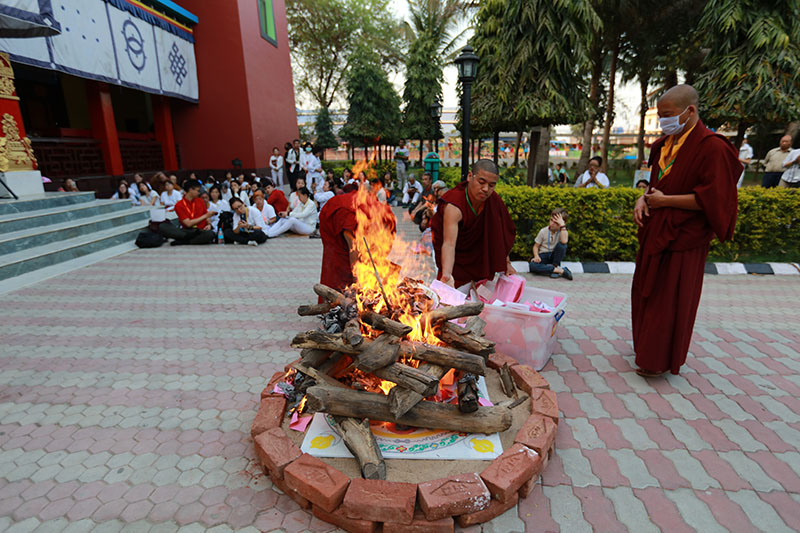
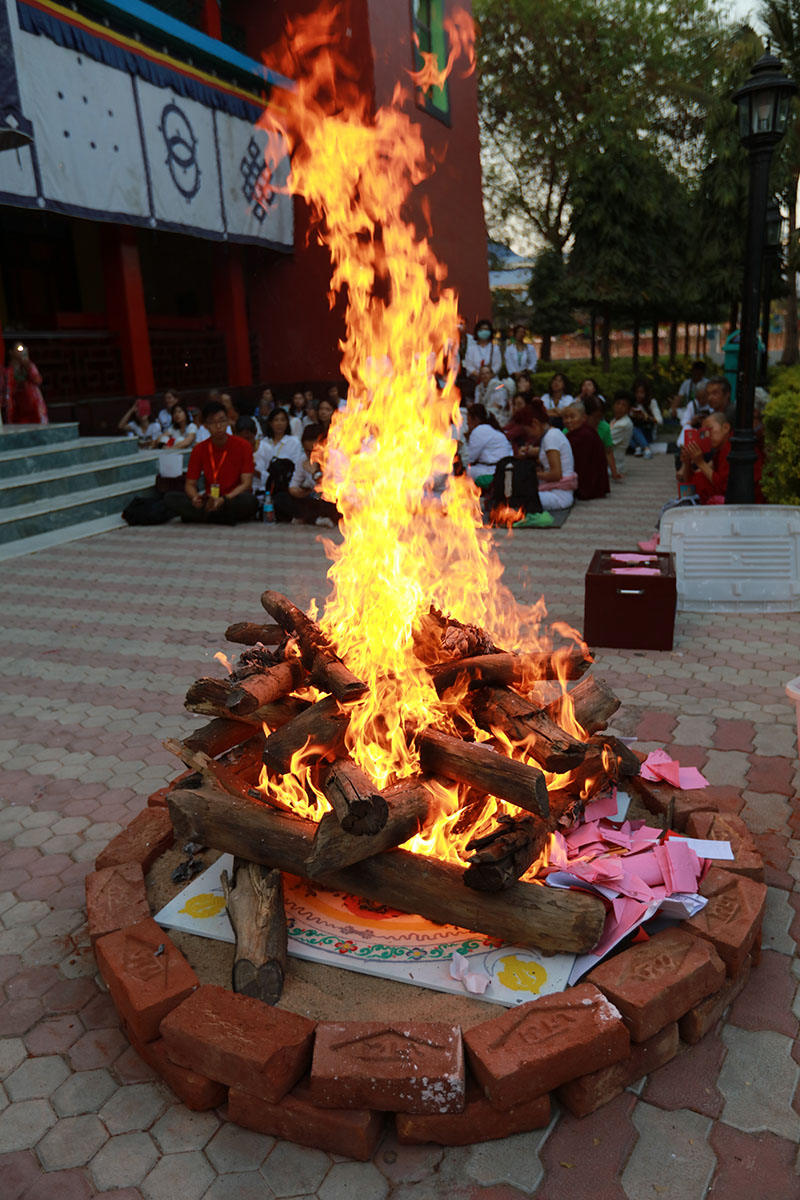
Each year, on the penultimate day of the Monlam, there is an Akshobhya ritual. During the Monlam, people can submit the names of both living and deceased for inclusion in this ritual. Buddha Akshobhya symbolises overcoming negative emotions such as anger and hatred towards other sentient beings and the ritual is believed to have a strong purifying effect. 


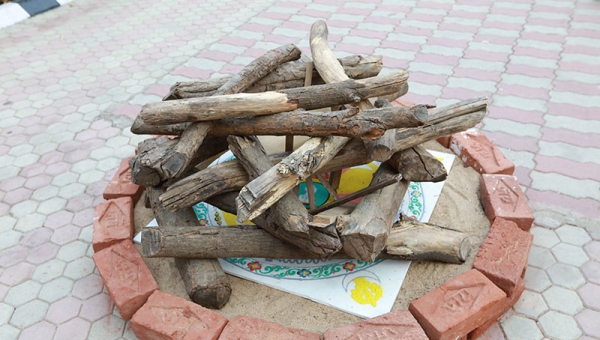
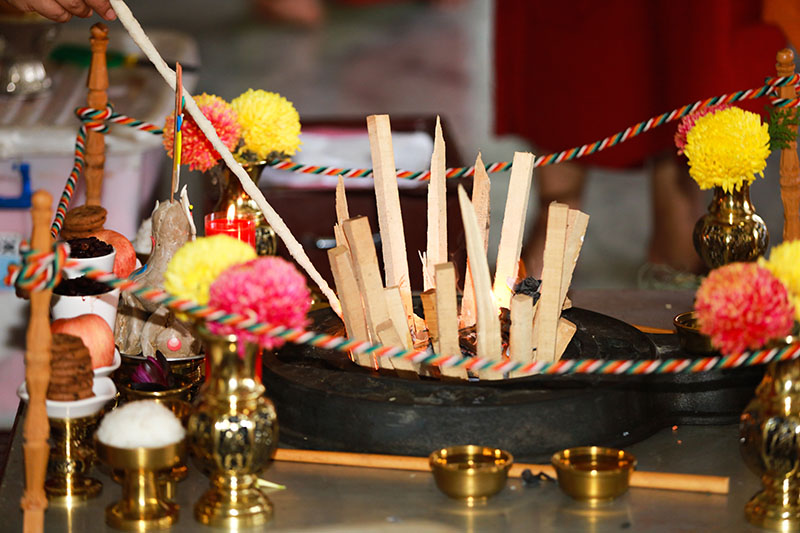
1. Ahead of the puja, monks have prepared a fire over a pacification mandala.


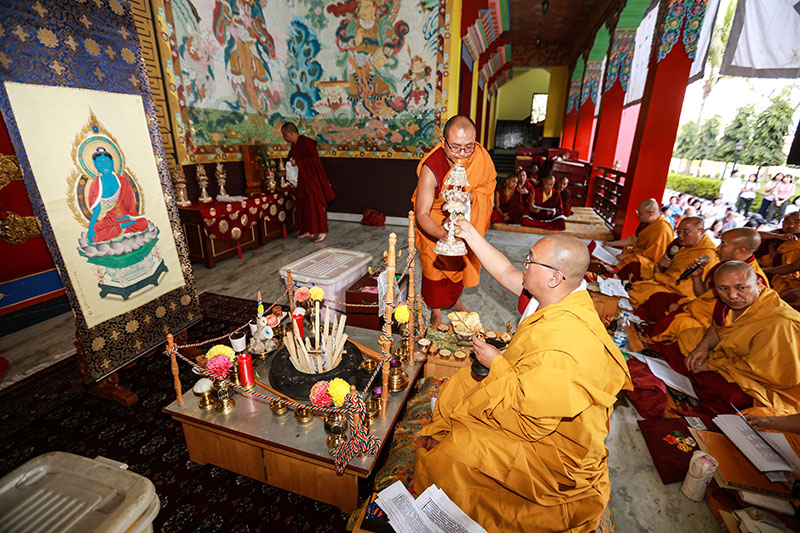
2. The Akshobhya fire ritual takes place on the portico of the main shrine hall of Tergar Monastery.


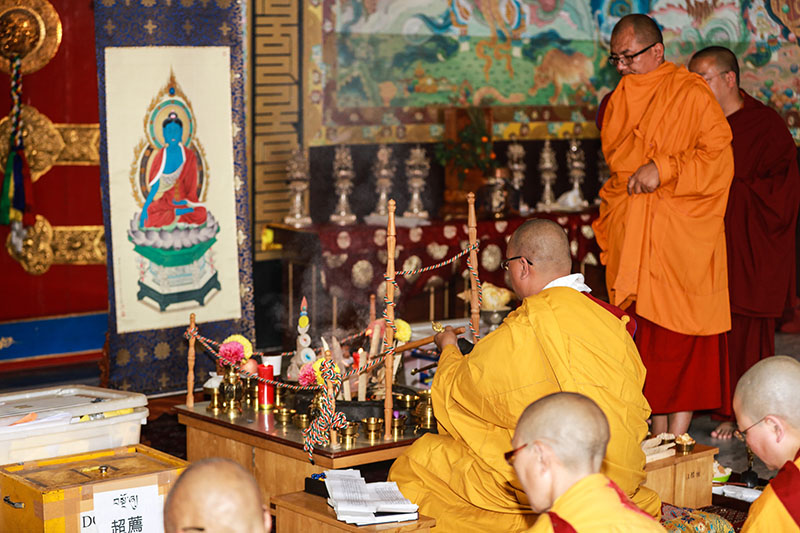
3. This year Andzin Rinpoche is officiating.


4. He is supported by monks who have received the empowerment and completed the Akshobhya training and practice retreat…


5. And a scattering of qualified lay practitioners too.


6. The shrine is set up in front of a scroll painting of Akshobhya Buddha.


7. The area delineated by the coloured string and gate represents Abhirati, the pureland of Buddha Akshobhya


8. A metal bowl has been prepared with sticks of wood for the offering fire.


9. Andzin Rinpoche offers the eight auspicious symbols - the sacred knot; the Dharma wheel; the lotus; the victory banner; the parasol; the vase; the conch; the golden fish.


10. Buddha Akshobhya is blue in colour – one of the wisdom buddhas.


11. The offering fire is lit


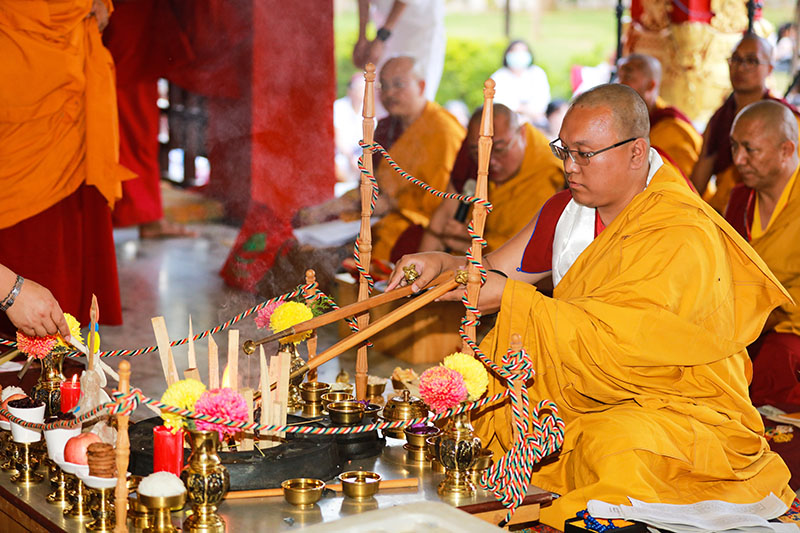
12. Rinpoche uses long tongs to carefully add offerings to the small fire on the shrine.


1. Andzin Rinpoche recites the ritual as the offerings burn.


14. The offering fire on the shrine blazes.


15. The fire outside is lit and the names of the living and the dead are added to it.


16. The names are consumed by the flames.


Sixteen Arhats Procession and Alms Offering Photo story

Sixteen Arhats Procession and Alms Offering Photo story

Leading the sixteen-arhat procession were the gyaling players, followed by victory banners and parasols, and then the incense bearers. Each arhat was accompanied by a parasol bearer in similar dress. In their beautiful robes designed by a famous Chinese costume maker, the arhats were regal and magnificent. The monastics held begging bowls in precise style: left hand under the bowl, right hand resting on the rim of the bowl. They looked down or straight ahead, chanting mantras and walking meditatively. Finally, a carriage conveyed the standing Buddha, gleaming in the early morning sun, a parasol swirling just above its head. The entire procession turned into the pavilion and processed down the aisle. Patrons offered baskets brimming with fruit, nuts, and other delicacies. Then, as the assembly chanted Prostrations and Offering to the Sixteen Arhats, followed by praises and auspicious prayers, each lay devotee had the precious opportunity to make offerings. The pavilion was packed, and for about an hour, the young dharmapalas from Bhutan patiently directed a stream of people.


1. White, pink and deep orange petals radiated glorious color in these sacred images.
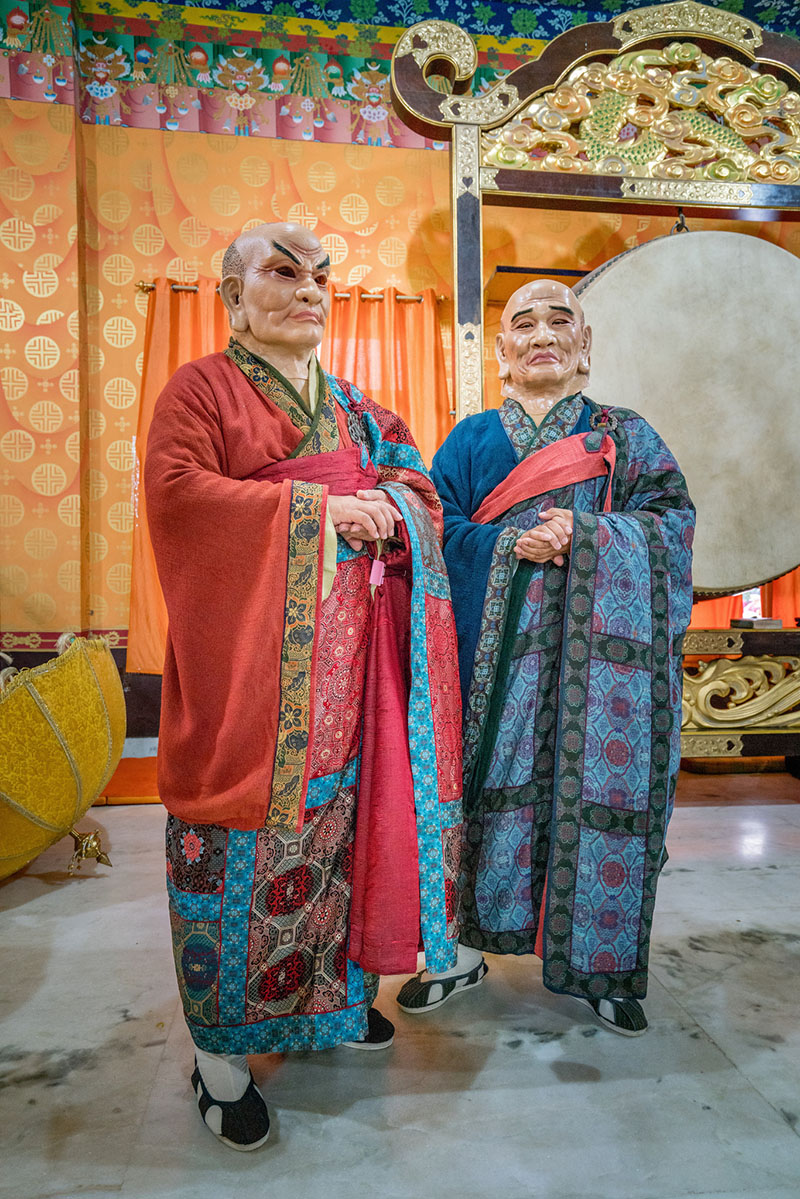
 

2. In their beautiful robes designed by a famous Chinese costume maker, the arhats were regal and magnificent.
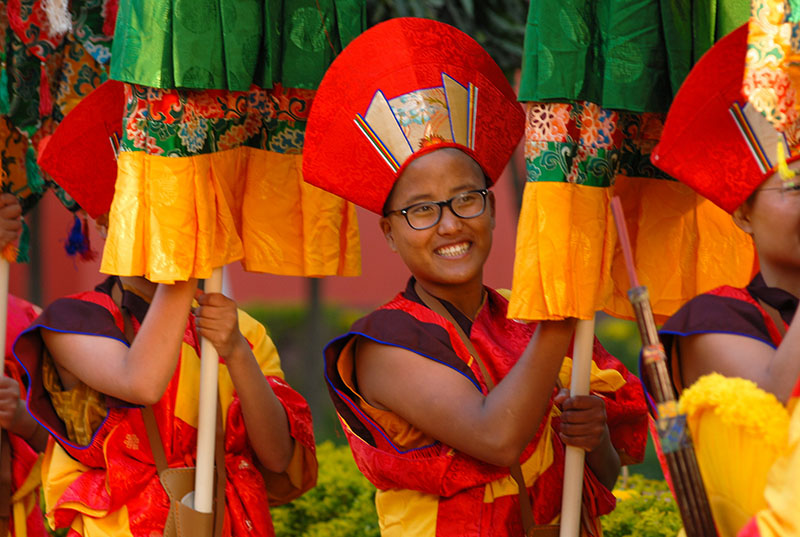
 

3. First came the gyaling players, followed by victory banners and parasols, and then the incense bearers.
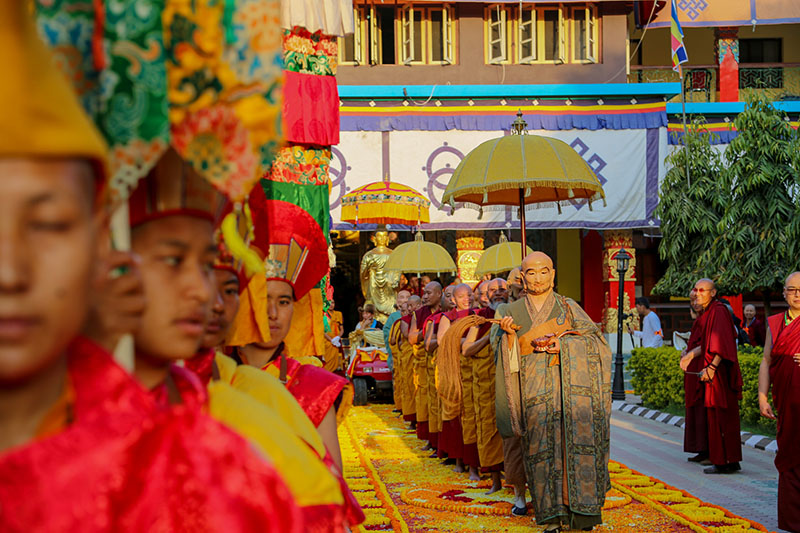
 

4. Each arhat was accompanied by a parasol bearer in similar dress.
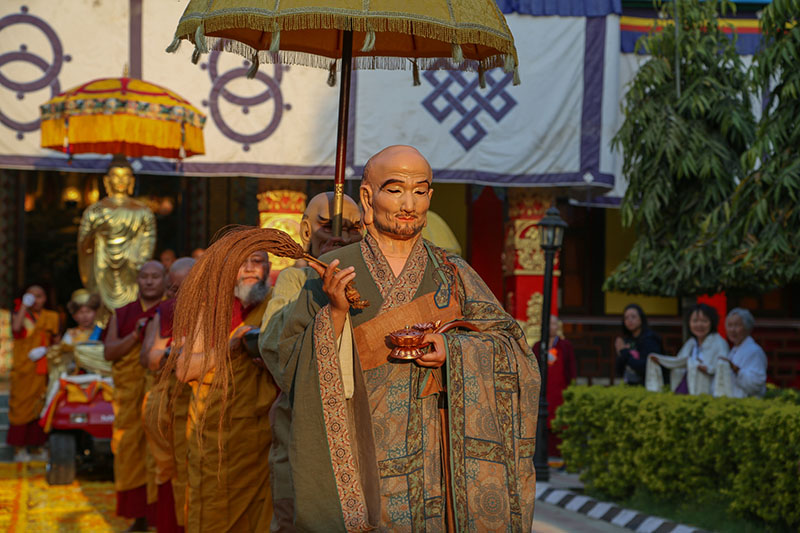
 

5. Their masks, made to reflect the character of each arhat according to His Holiness Karmapa’s painting, made them seem larger than life.


6. Each arhat was followed by his retinue, in the form of the gelongs and gelongmas, the number of monastics representing the correct number in the retinue according to the Kagyu Monlam text.
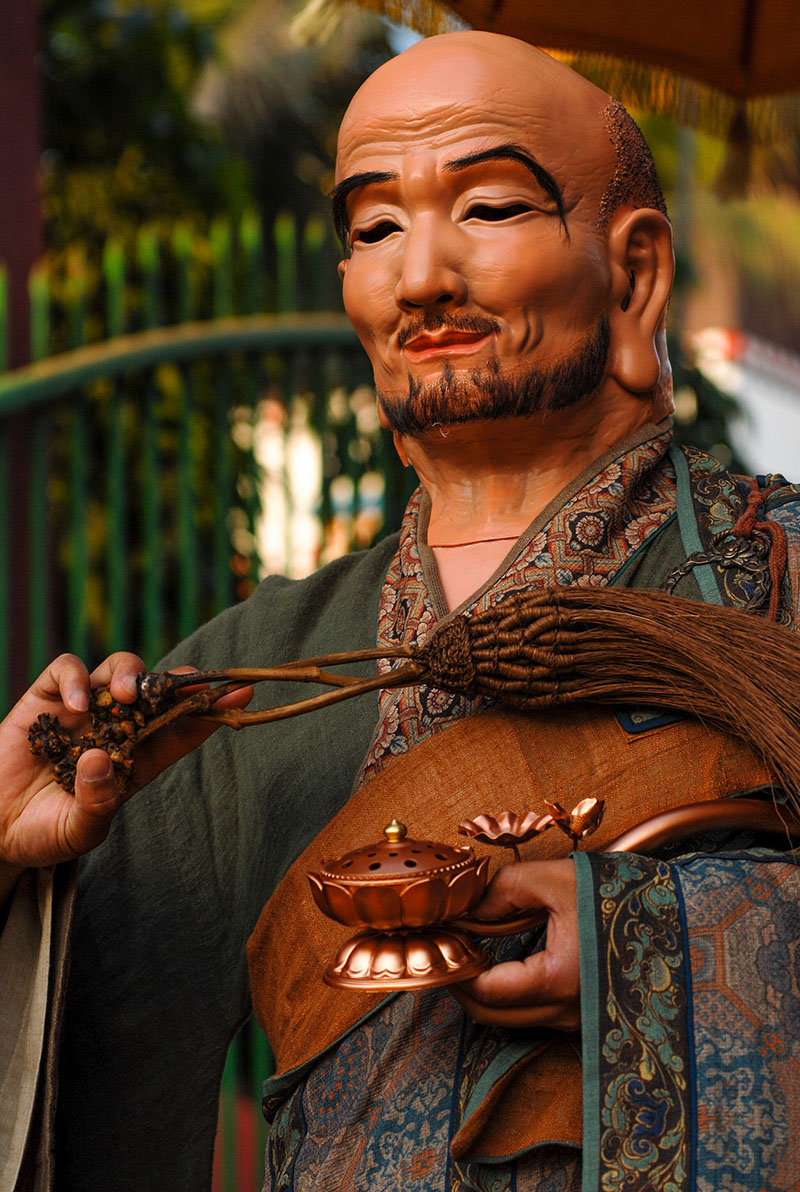
 

7. They turned slowly from side to side as they walked, displaying their hand symbols, indicative of their activity, to the waiting spectators.
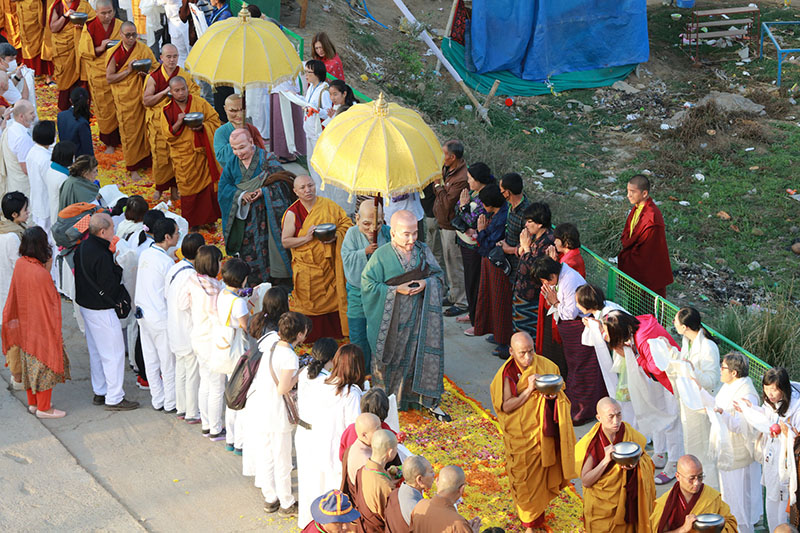
 

8. The assembled devotees held up their khatas and chanted “Namo Shakyamunaye” as the procession passed in stately and dignified silence.
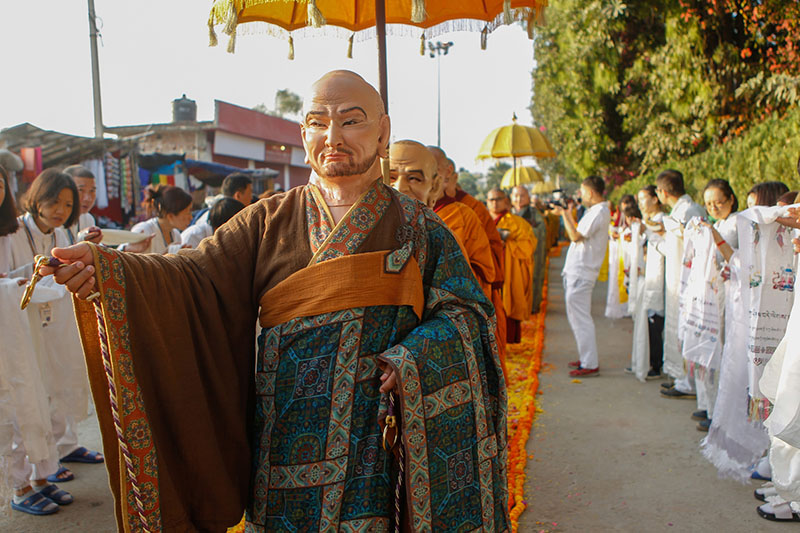
 

9. They looked down or straight ahead, chanting mantras and walking meditatively.


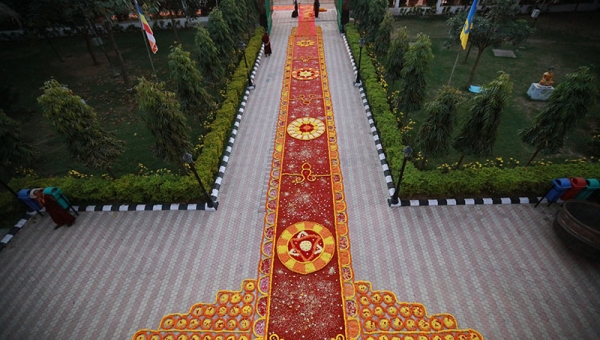
10. The wide central aisle with its red carpet was strewn with flower petals. Garlands of orange and gold marigolds arranged as scrollwork framed the central medallions representing the eight auspicious symbols: the parasol, golden fish, vase, utpala flower, conch, glorious knot, victory banner, and eight spoked wheel.


11. Sacred symbols were outlined in marigold garlands; as the devotees waited, monks came through with fresh flowers to fill in these outlines.


12. The entire procession turned into the pavilion and processed down the aisle.


13. The procession was orderly and joyful.


14. Finally, a carriage conveyed the standing Buddha, gleaming in the early morning sun, a parasol swirling just above its head.


15. The assembly chanted an invitation to the buddhas while the golden statue was placed in the pavilion. The arhats were seated, and the gelongs and gelongmas were arrayed on the tiers of the stage behind and to the sides.


16. Each devotee had the precious opportunity to make offerings.


The Kangyur Procession

The Kangyur Procession

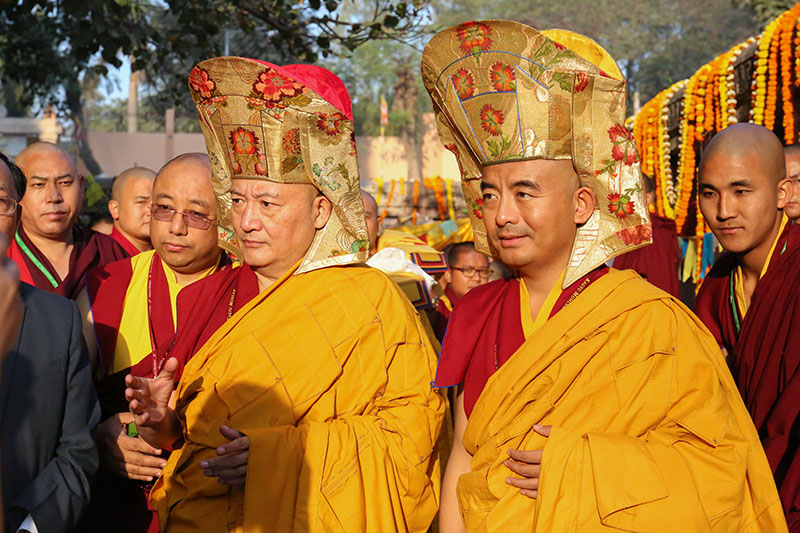
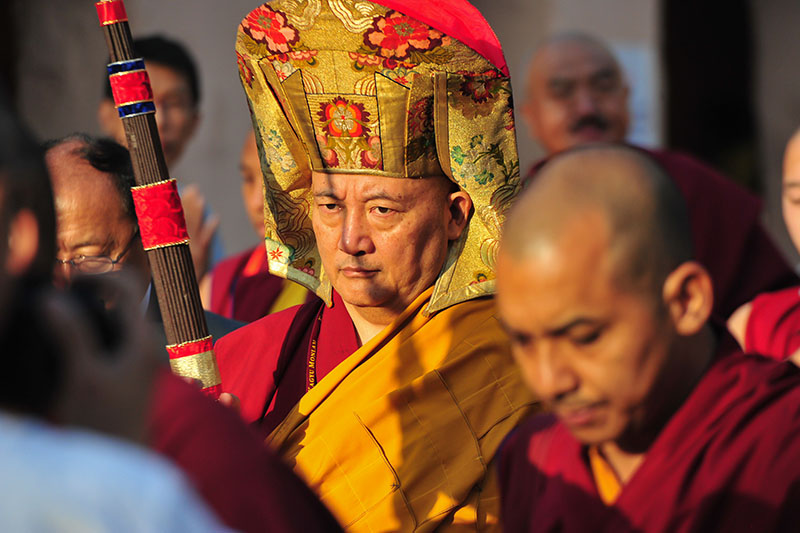
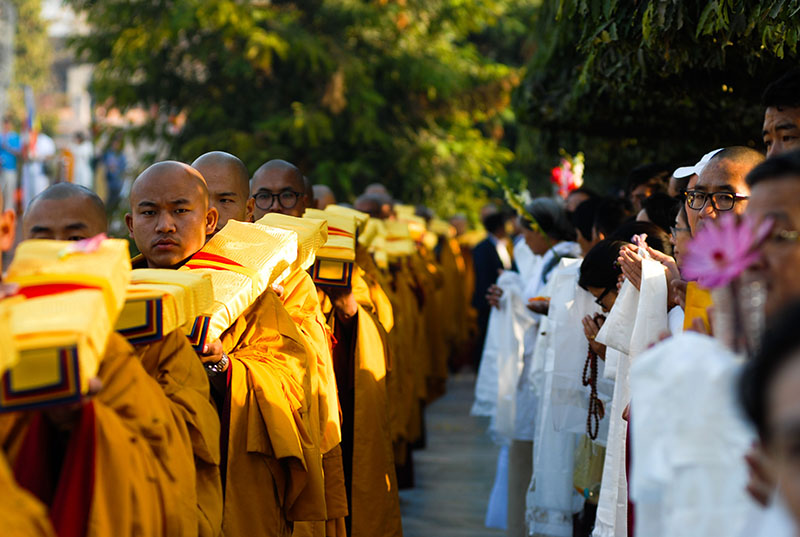
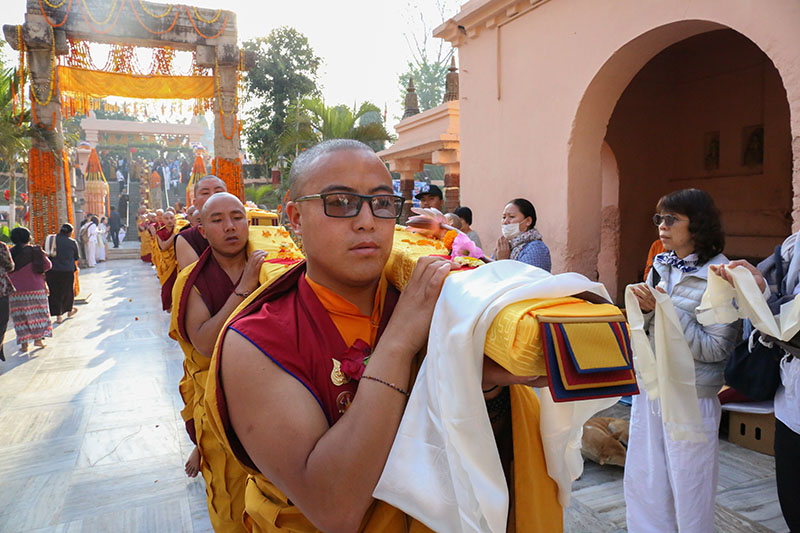
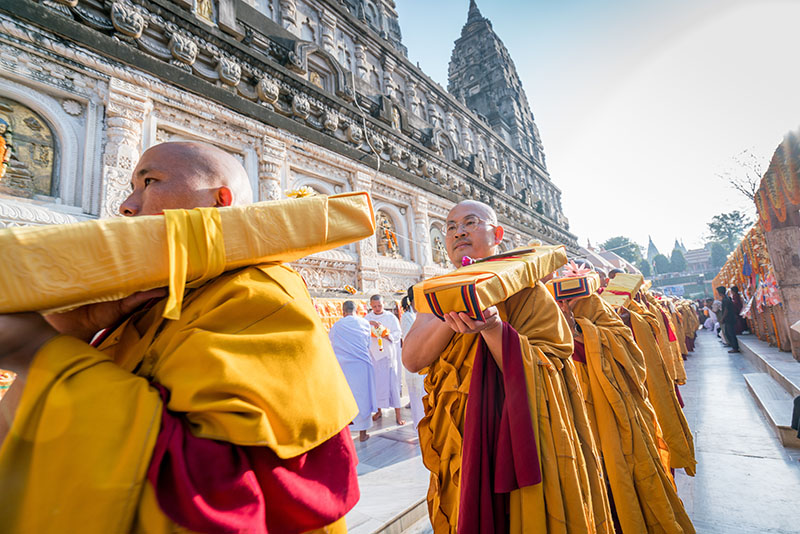
Members of the Sangha processed with volumes of the Kangyur, the words of the Buddha, in circumambulation around the Mahabodhi Temple on Chotrul Duchen. Monastic and lay devotees encircled the upper ring of the temple with white and yellows katas draped in offering. Many carried pink lotuses and others offered yellow, white and orange carnations.
 

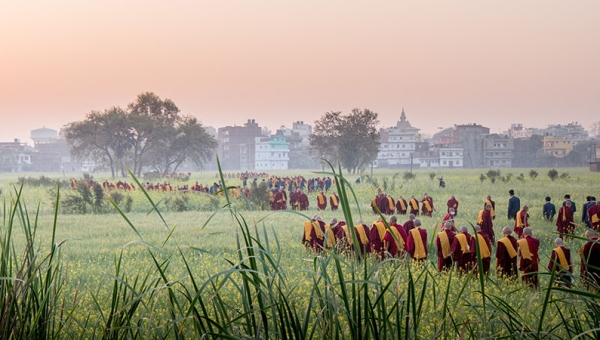
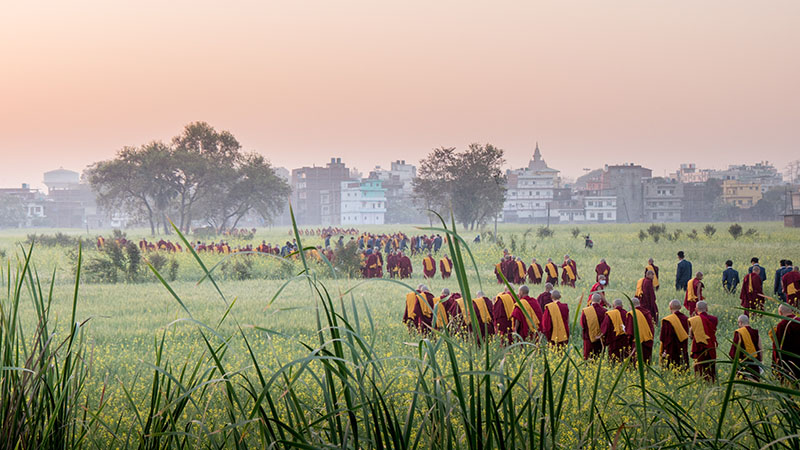
1. Following morning prayers, the Sangha heads through the rice fields to the Mahabodhi Stupa
 

2. Gelongs and gelongmas are given the Kangyur Pechas (the texts of the words of the Buddha) for the procession


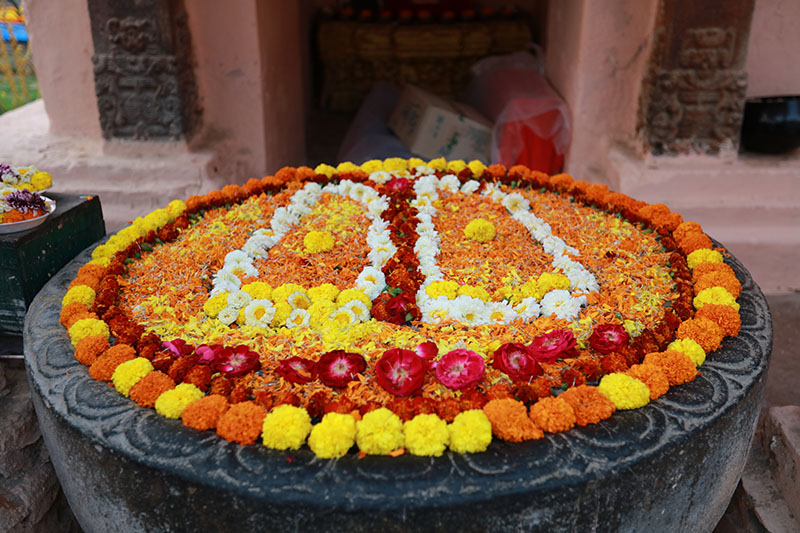
3. Footprints of the Buddha made of marigolds and roses at the Mahabodhi Stupa


4. Gyaltsap Rinpoche and Mingyur Rinpoche prepare for the Kangyur procession


5. Nuns eagerly wait for the procession with their colorful flower offerings outstretched


6. The lay community hold their offerings while reciting “Namo Shakyamunaye”


7. Gyaltsap Rinpoche and Mingyur Rinpoche during the Kangyur procession


8. Gelong and gelongma process with the Kangyur around the upper tier of the Mahabodhi Stupa while the monastic community makes offerings


9. Gelongma carrying the Kangyur


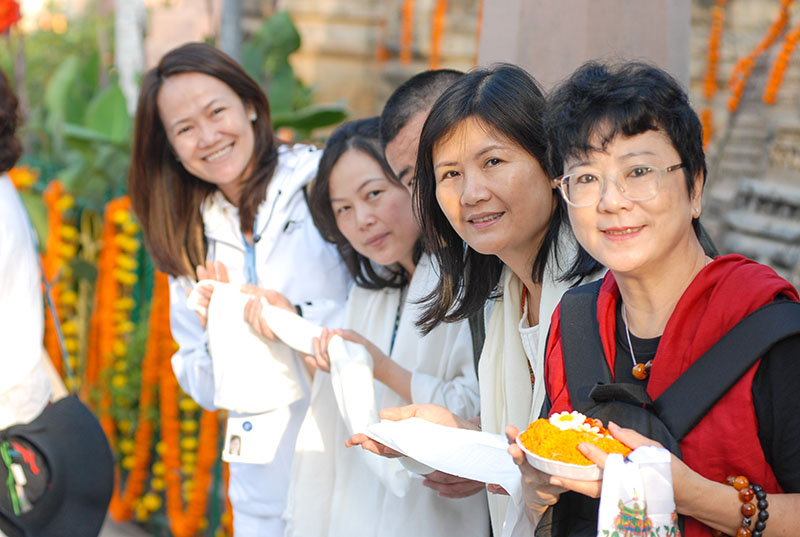
10. Smiling lay community offers a kata and flowers


11. Gyaltsap Rinpoche during the Kangyur Procession


12. Lay community members line the walls of the stupa offering katas and flowers


13. Gelongs process down to the lower khora ring of the Mahabodhi


14. The Kangyur procession continues


15. Circumabulating the stupa


16. Following the procession, the Sangha walks back through the rice fields to the pavilion to begin the Kangyur reading