







KM-banner1.jpg
KM-banner9.jpg
KM-banner10.jpg
KM-banner11.jpg
KM-banner12.jpg
KM-banner13.jpg
KM-banner14.jpg
KM-banner15.jpg
KM-banner16.jpg
KM-banner25.jpg
KM-banner24.jpg
KM-banner23.jpg
KM-banner22.jpg
KM-banner21.jpg
KM-banner20.jpg
KM-banner2.jpg
KM-banner19.jpg
KM-banner18.jpg
KM-banner17.jpg
KM-banner26.jpg
KM-banner27.jpg
KM-banner28.jpg
KM-banner29.jpg
KM-banner3.jpg
KM-banner30.jpg
KM-banner31.jpg
KM-banner4.jpg
KM-banner5.jpg
KM-banner6.jpg
KM-banner8.jpg
KM-banner7.jpg
Shadow
The Cotton–Clad Procession

The Cotton–Clad Procession

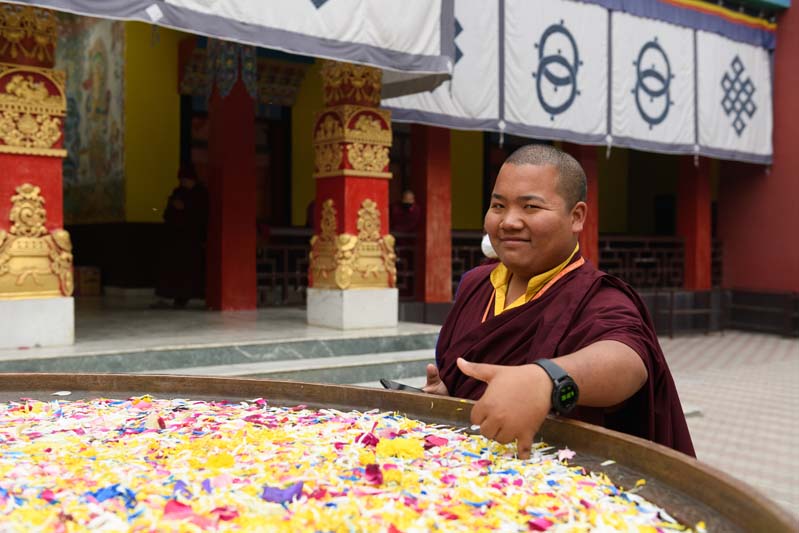
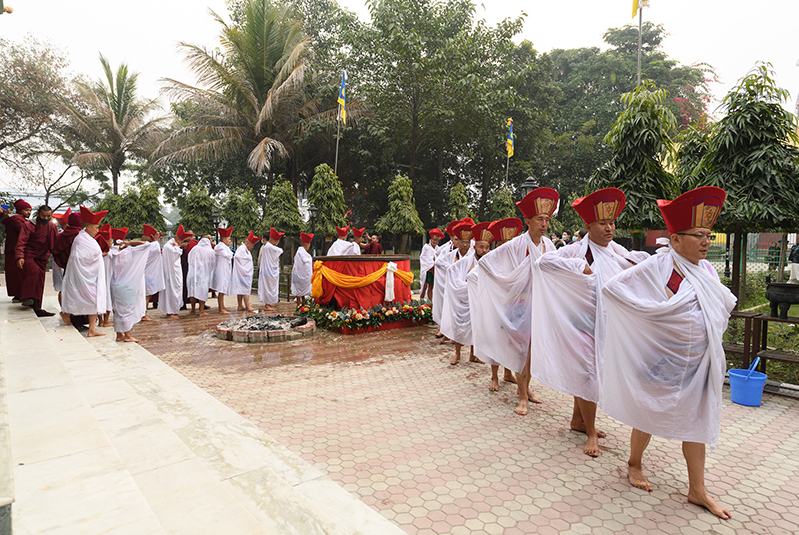
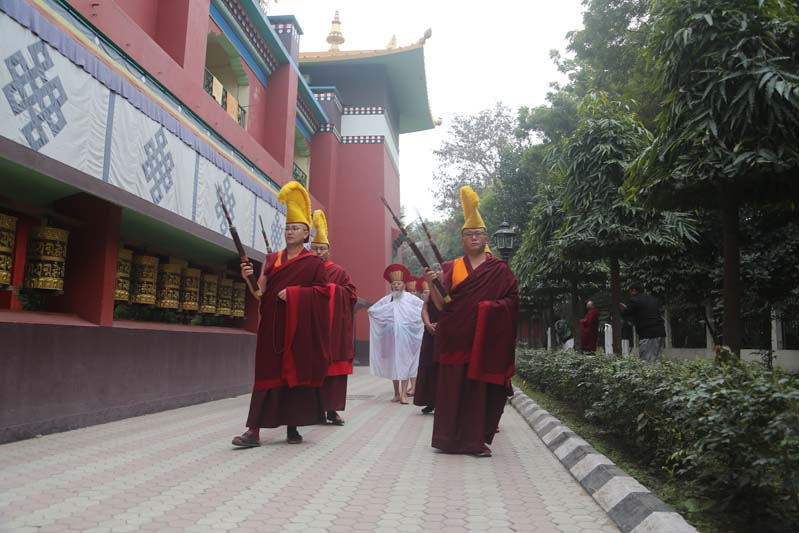
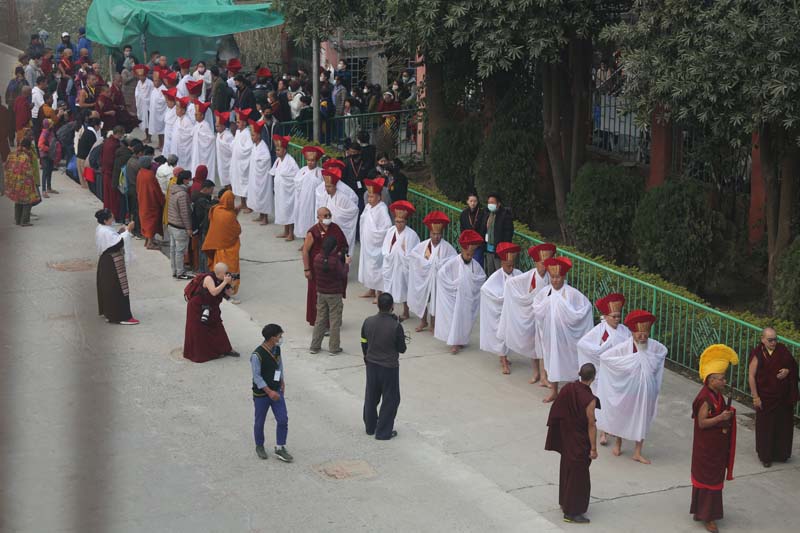
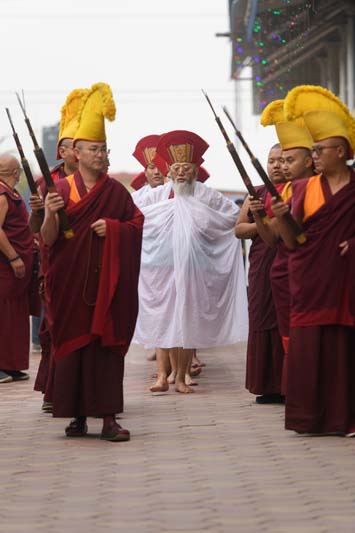
The annual procession of the Cotton-Clad, those who have completed a three year Karma Kagyu retreat, takes place on the final morning of the Monlam. During the Monlam, the retreatants practice in seclusion in the heavily-curtained, Tergar Monastery shrine room each evening, until the culmination is an all-night practice which begins at 8.00pm on the sixth day. On the seventh day, the yogins emerge from the shrine room, dip their thin cotton robes into a tank of cold water in order to demonstrate their proficiency in ‘tummo’, the generation of inner heat, and process to the Monlam Pavilion.

This year, shortly after the Monlam assembly began chanting the Offering to the Gurus, the retreatants appeared. A great cauldron of cold water covered in flower petals awaited them. They drenched their white cloths in the water and then, donning them, proces to the pavilion. At the invitation (the Chendren), they entered the pavilion and took their seats on the stage. It was apparent to all from their now-dry cotton cloths that they had mastered the practice of tummo, and they inspired everyone to practice, reminding us to have confidence in the dharma, which produces genuine results.
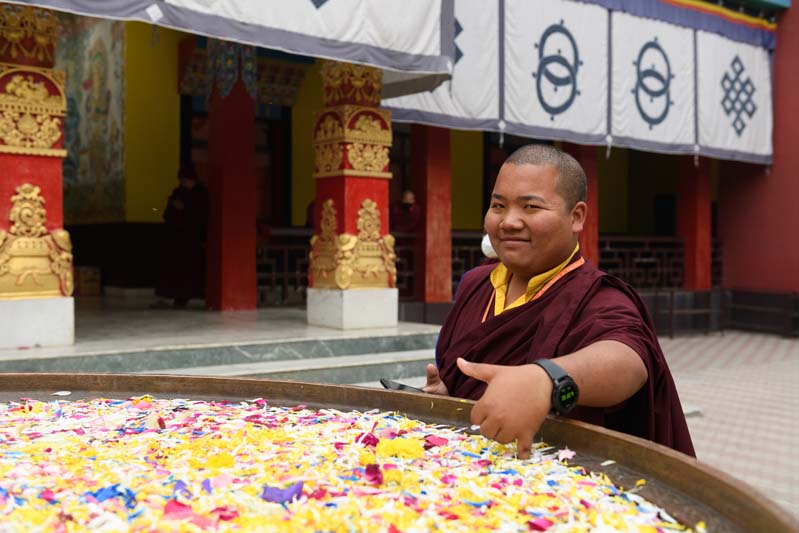
1. Drupon Dechen Rinpoche tests the water tank and finds it appropriately cold.
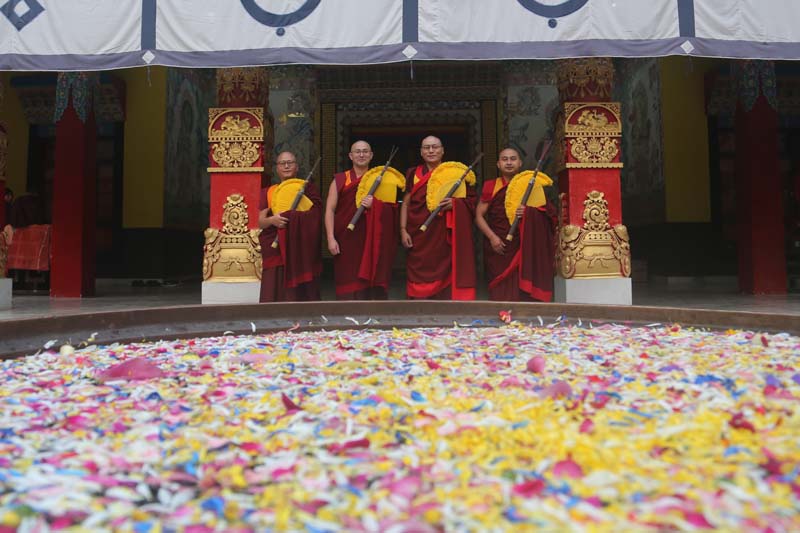
 

2. The incense bearers help in many ways, from tossing flowers into the water tank to holding retreatants’ hats as they don the wet robes.
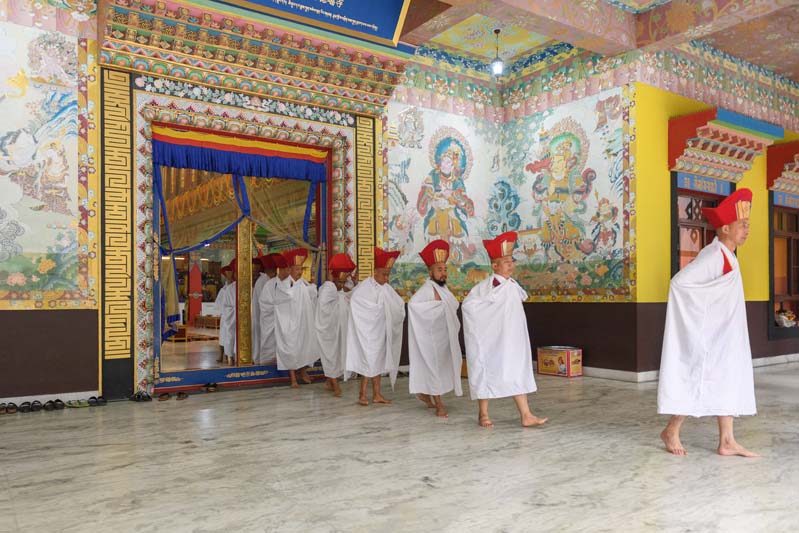
 

3. The yogins leave the Tergar shrine room.
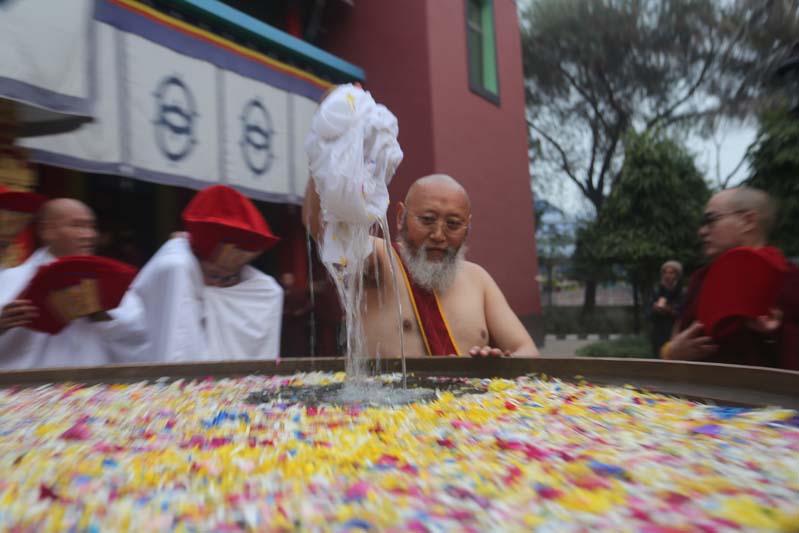
 

4. The retreat master of Rumtek monastery leads the procession of yogins. He is the first to dip his robes.
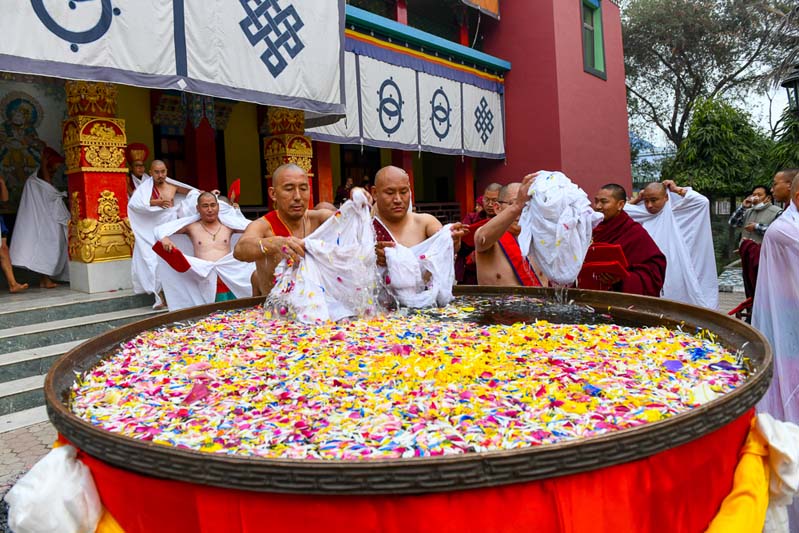
 

5.
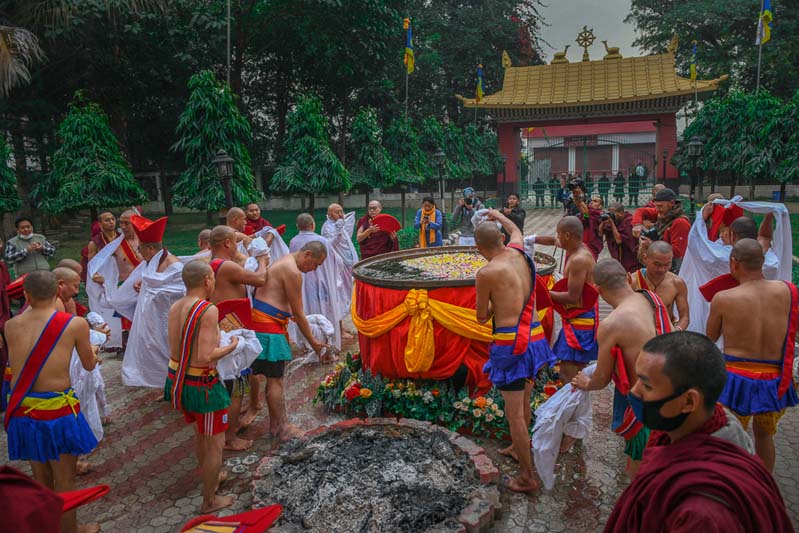
 

6. The retreatants wear ceremonial undergarments, including the meditation belt.
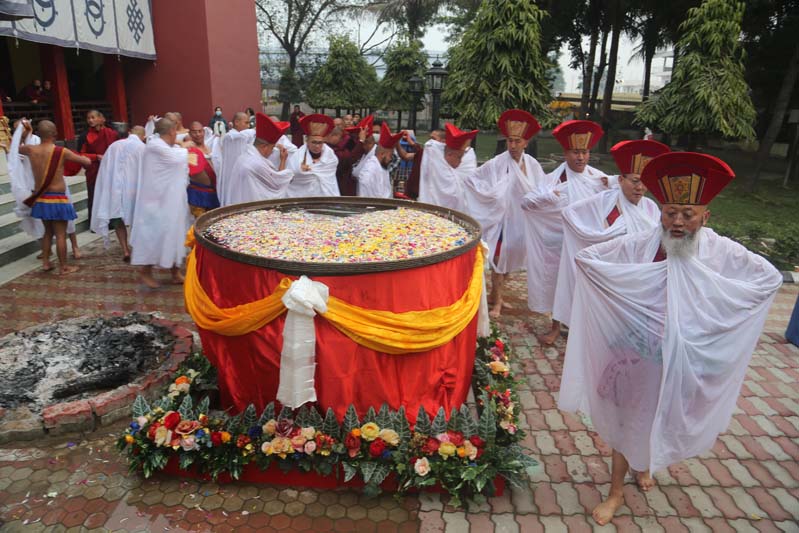
 

7. The retreatants stay in meditation as they don the robes.


8. The robes are very cold.
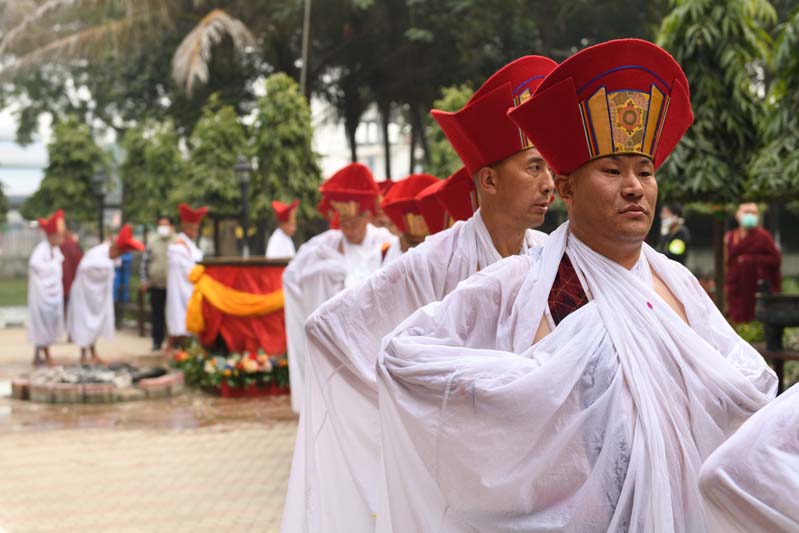
 

9.
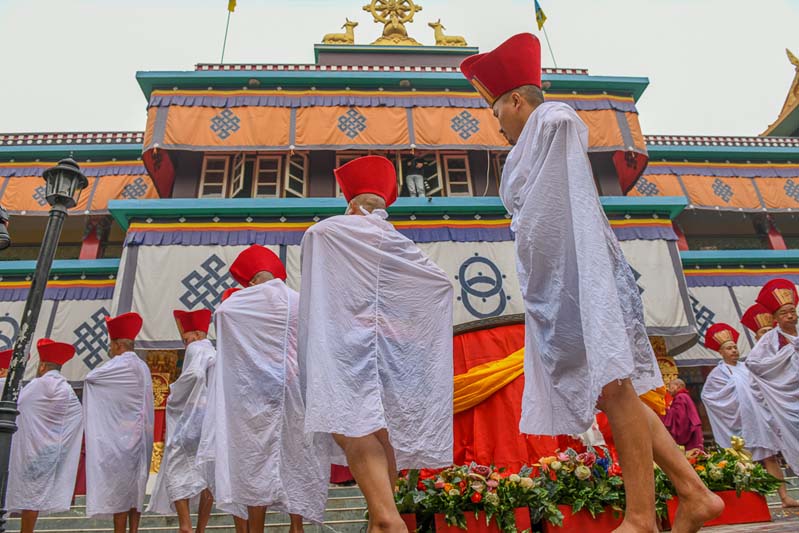
 

10. The yogins circumambulate Tergar on their way to the pavilion.
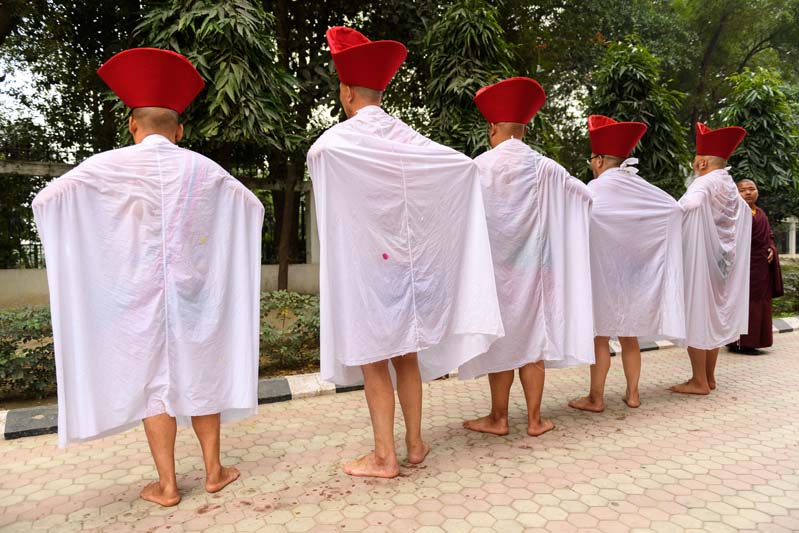
 

11. Periodically, they stop to display their drying robes — testifying to their mastery of tummo.
 

12.
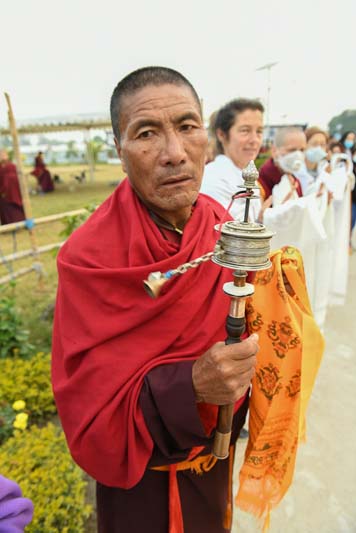
 

13. Waiting for the procession


14. An aerial view
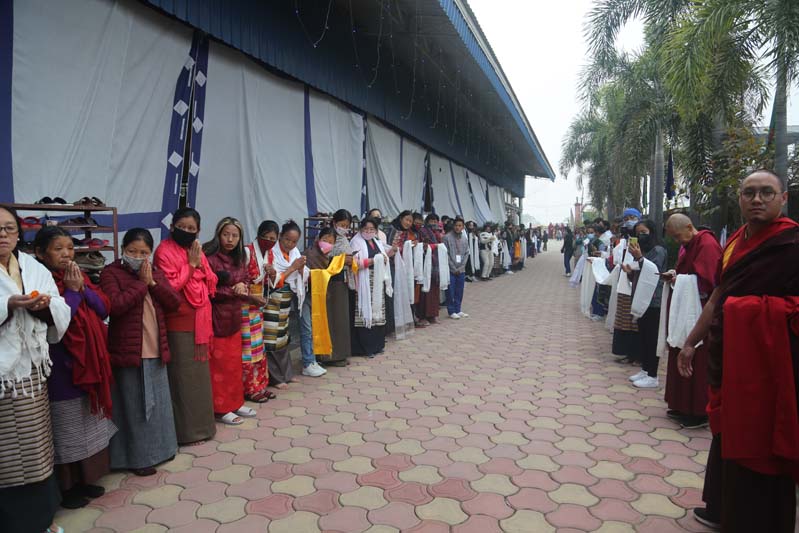
 

15. Devotion
 

16.
 

17.
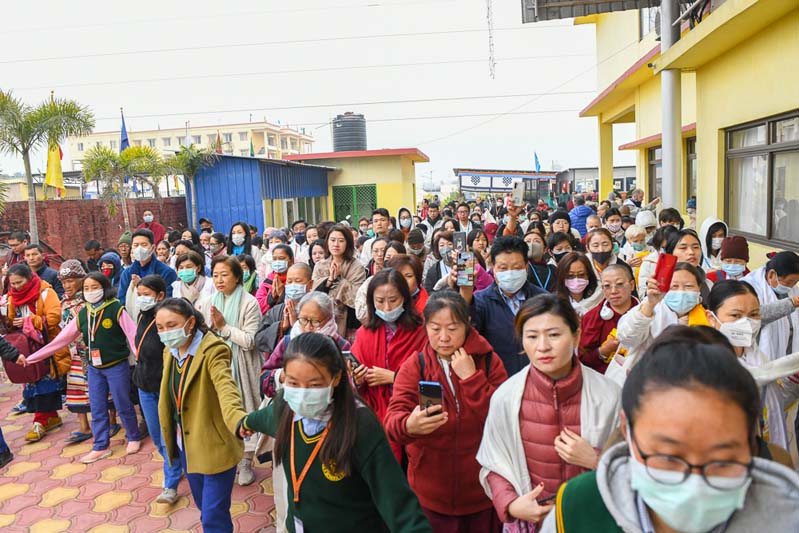
 

18. The crowd following the yogins after they pass — devotion, respect, aspiration
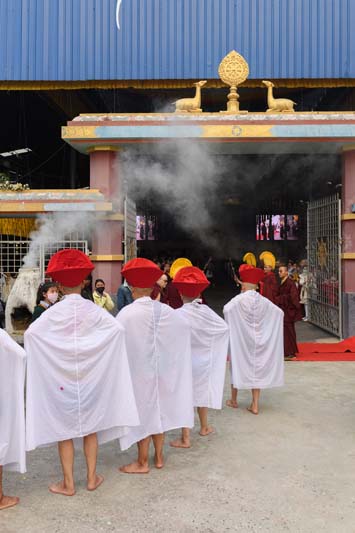
 

19. Entering the pavilion
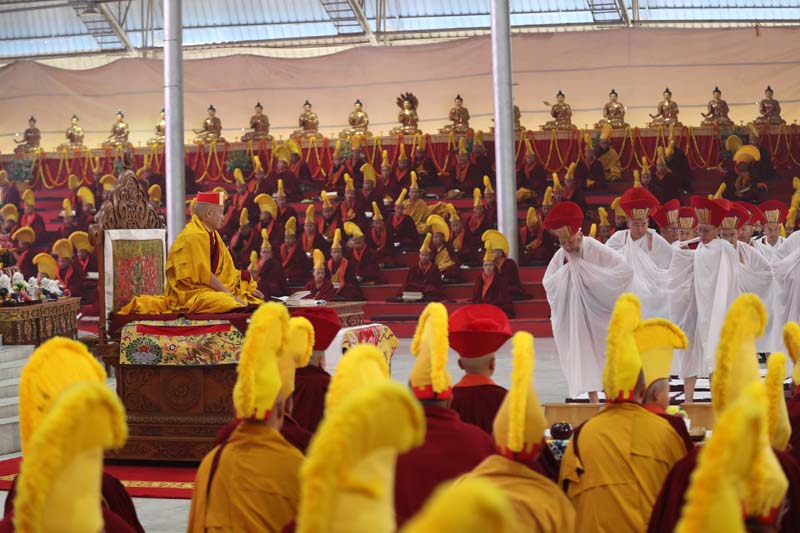
 

20. His Eminence Gyaltsab Rinpoche and the rest of the assembly welcomes the retreatants
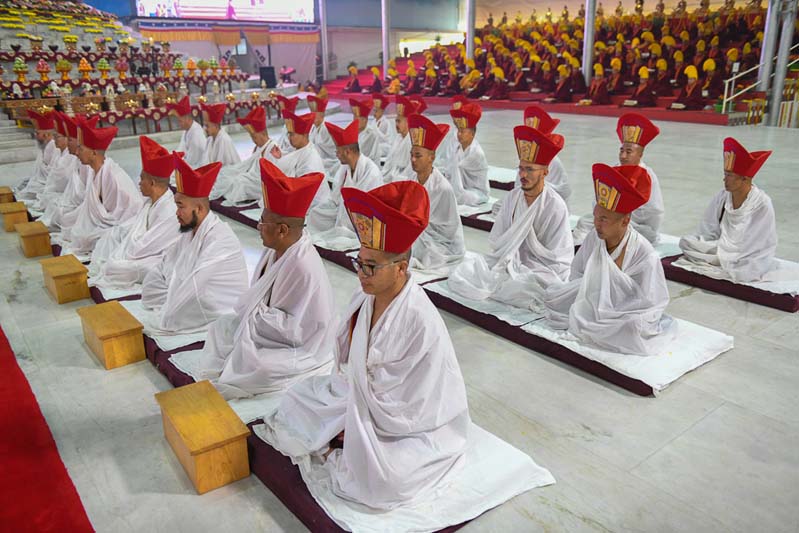
 

21. The robes are dry
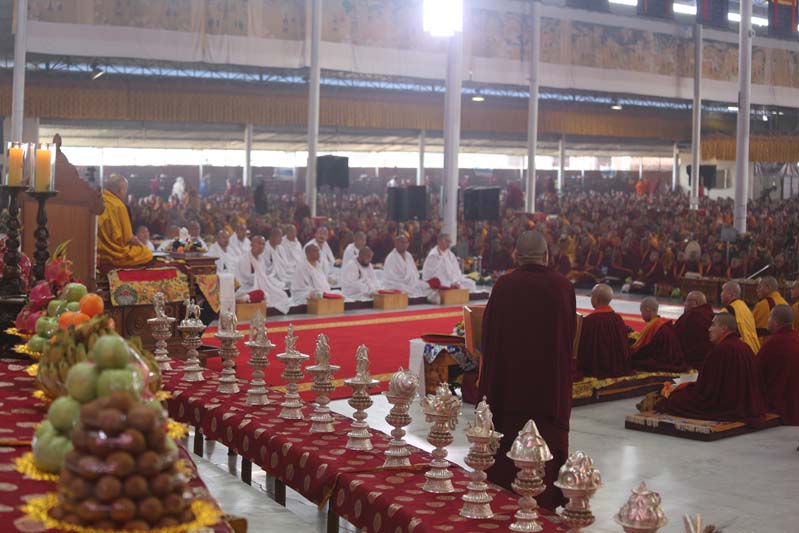
 

22.

Purifying Negativities; the Akshobhya Fire Puja

Purifying Negativities; the Akshobhya Fire Puja

Tergar Shrine Room Portico,
February 7, 2020
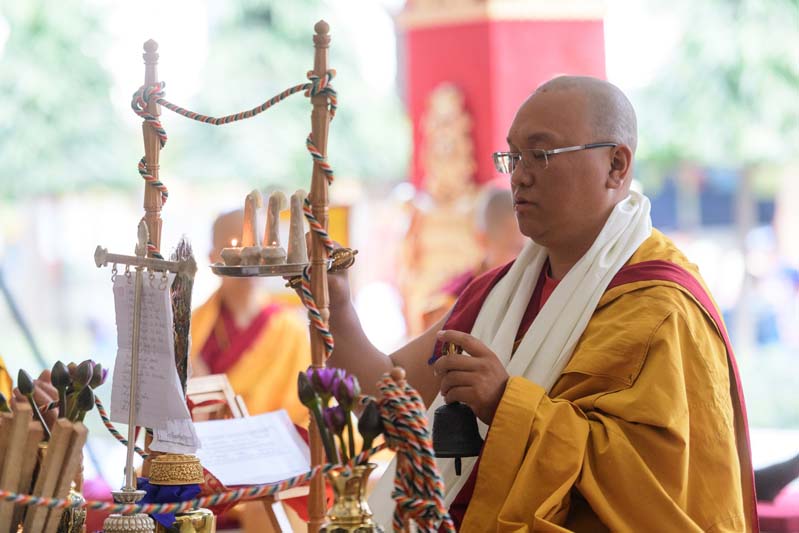
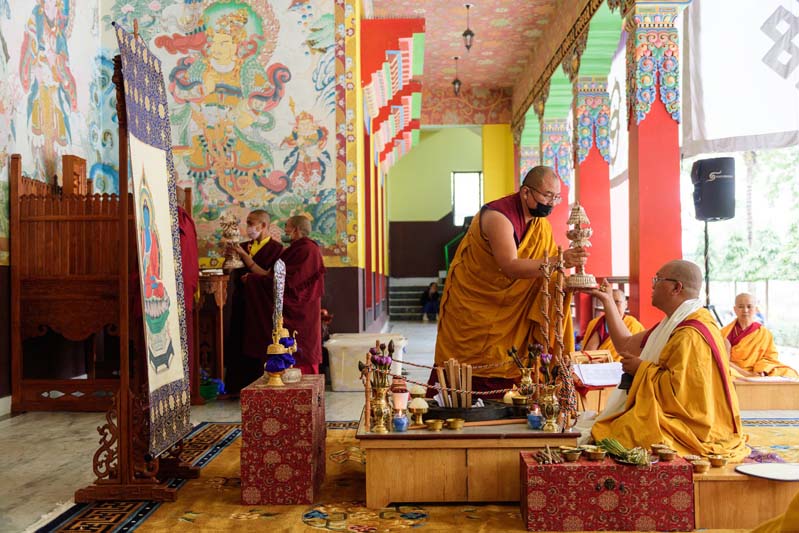
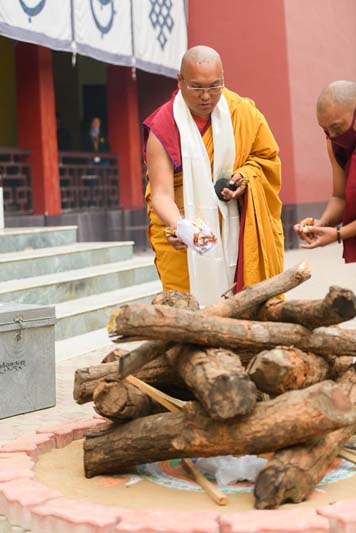
Once more, Andzin Rinpoche led the annual Akshobhya fire ritual offered on the penultimate day of the Monlam.

Buddha Akshobhya is the Imperturbable One, who vowed endless patience, and now symbolises overcoming such negative emotions as anger and hatred. Hence, the Akhshobhya Puja is a powerful purification ritual, and the bonfire is built over a pacification mandala. Only those who have received the Akhshobhya empowerment and completed the Akhshobhya retreat may take part, though the public can watch from a distance. During the Monlam, there is the opportunity to submit the names of both the living and the dead, written on paper, for inclusion in this ritual. For many, this puja has become a deeply significant memorial for loved ones and friends who have died, or a chance to help clear obstacles for those who are living.

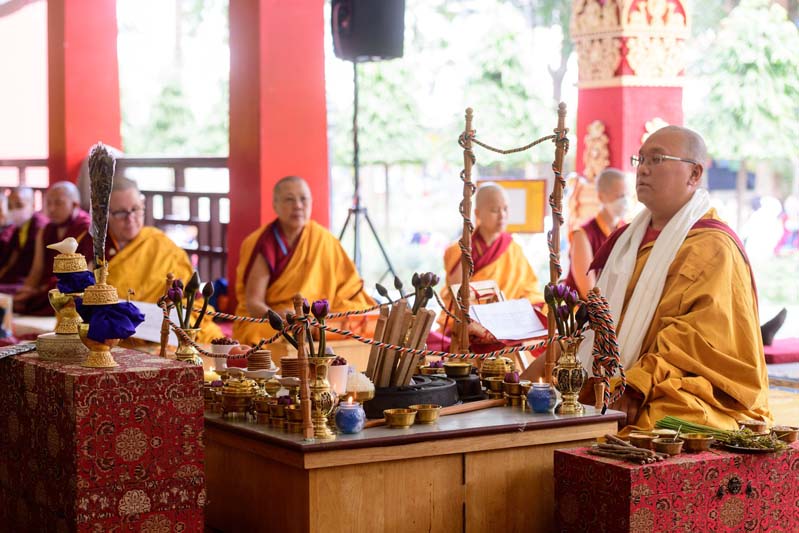
1. Andzin Rinpoche officiates at the ritual on the portico outside Tergar Shrine Room.


2. The other participants sit facing him on the portico.


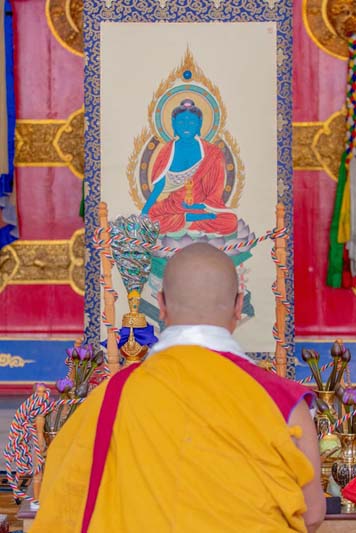
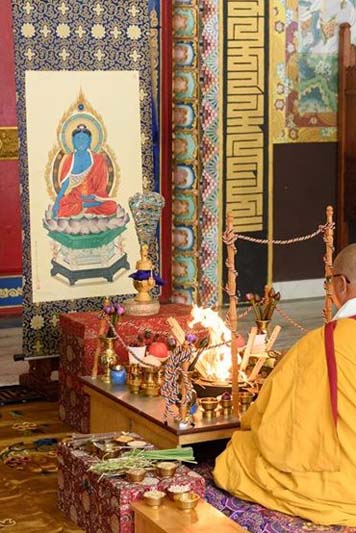
3. The special Chinese-style scroll thangka of Akhshobhya Buddha which was painted by His Holiness the 17th Karmapa. Akhshobhya is in the wisdom Buddha family hence the blue colour of his body.


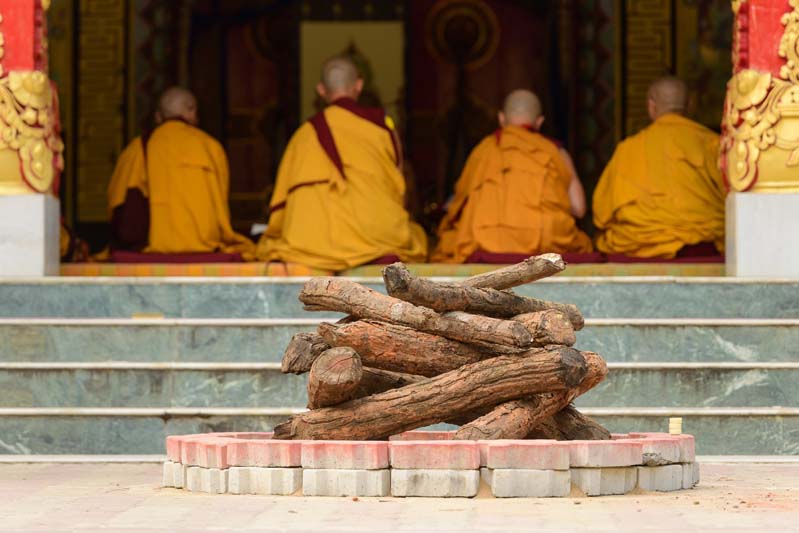
4. Outside, a ritual bonfire has been prepared over a pacification mandala, ready for later in the puja.


5. Rinpoche sits at a special table. On top of the table there is a symbolic representation of the pure land and palace of Akhshobhya Buddha.


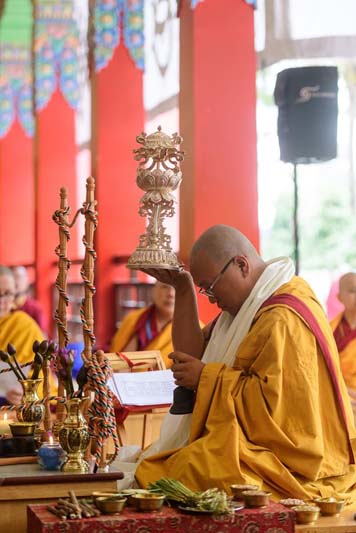
6. After the invitation prayers have been completed, the offerings begin. The eight auspicious symbols are offered – the sacred knot, the Dharma wheel, the lotus, the victory banner, the parasol, the vase, the conch, and golden fish.


7. Here Andzin Rinpoche receives the parasol to offer it.


8. Torma offering


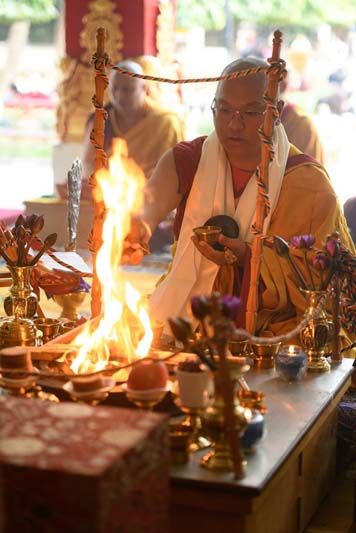
9. A small fire is lit on the altar for the burnt offerings


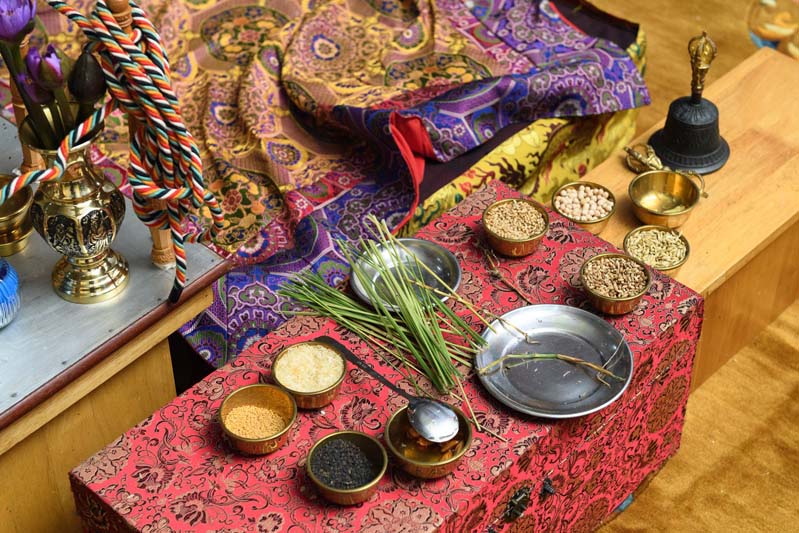
10. These include auspicious substances: a selection of grasses, grains and seeds with special medicinal or sacred properties, including white mustard seed, durva grass,sindhura, and gorachana.


11. The fire blazes on the shrine.


12. Rinpoche feeds the flames with oil…


13. and offers the precious substances.


14. He uses a rolled sheet of paper to transfer the flame from the shrine to the fire outside.


15. As the bonfire takes hold, Rinpoche starts feeding the papers of names into the flames.


16. The purifying fire blazes…


17. until all the papers of names have been consumed.


A Pictorial Guide to the 16 Arhats

A Pictorial Guide to the 16 Arhats

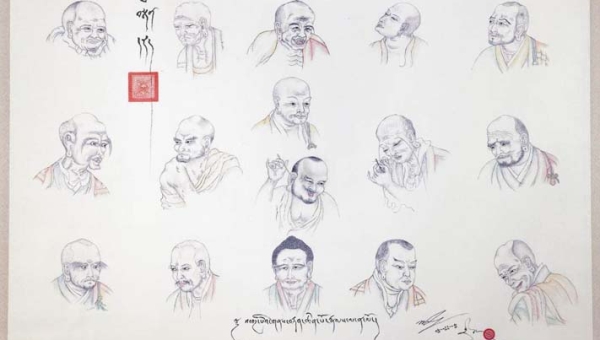
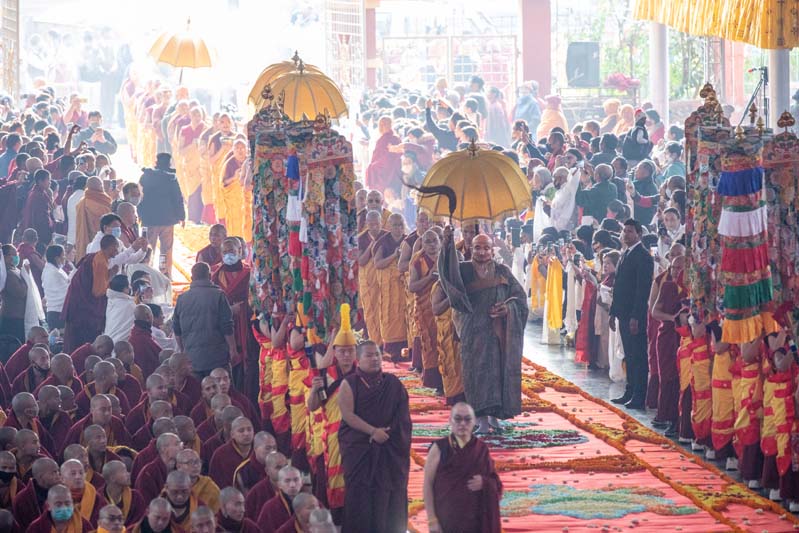
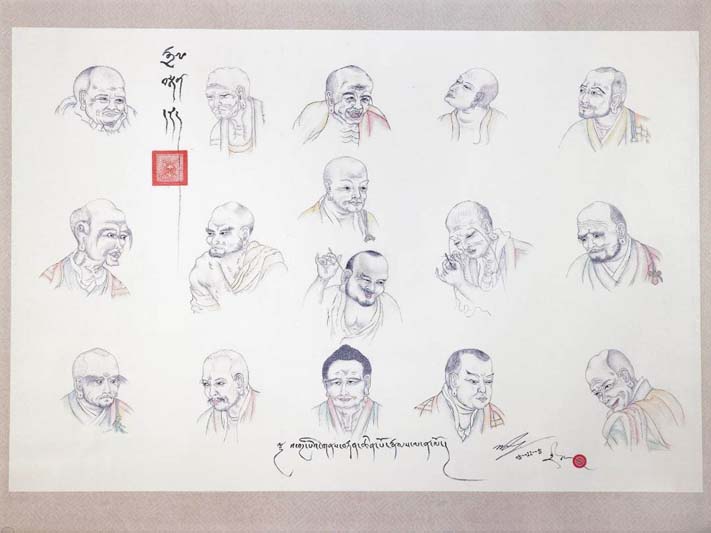
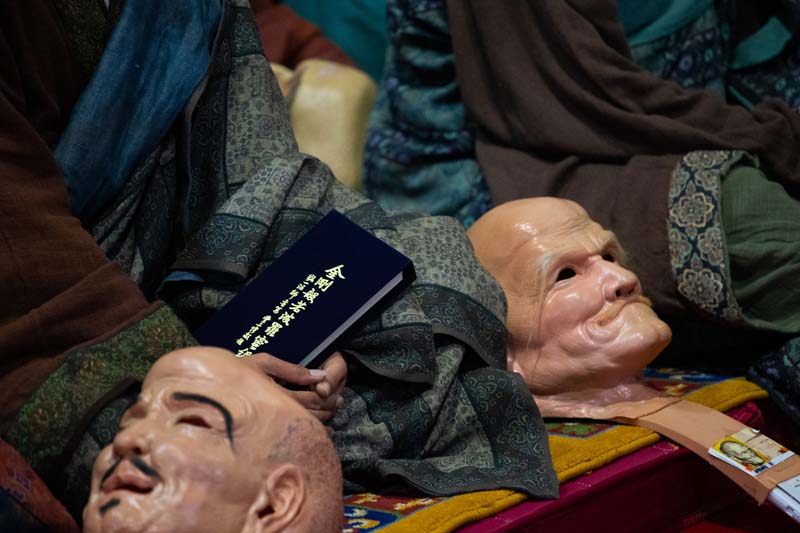
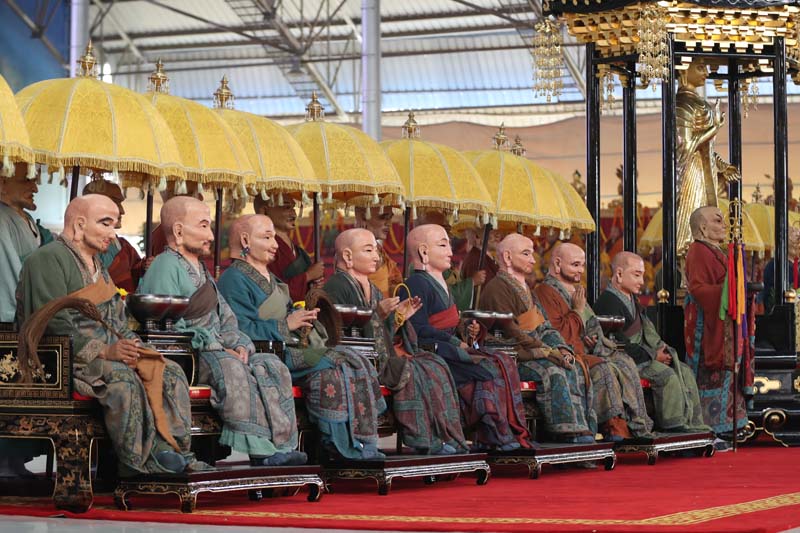
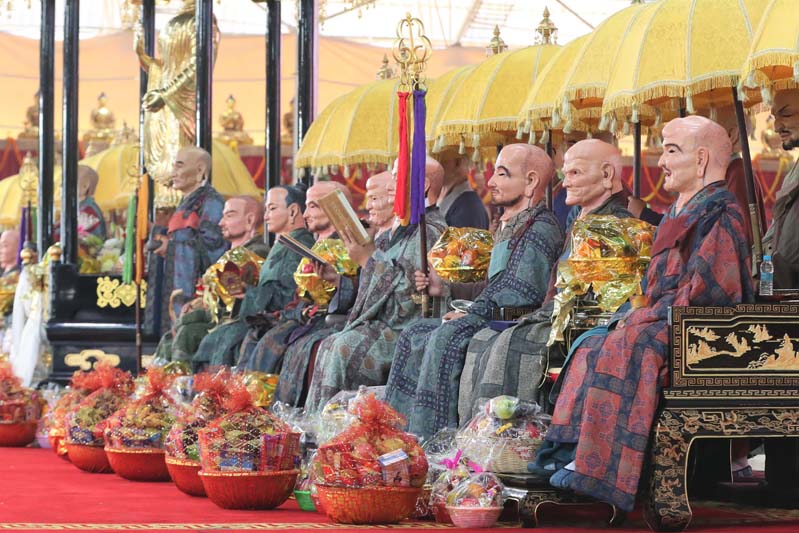
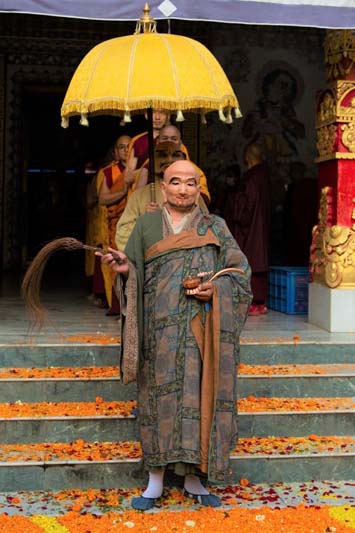
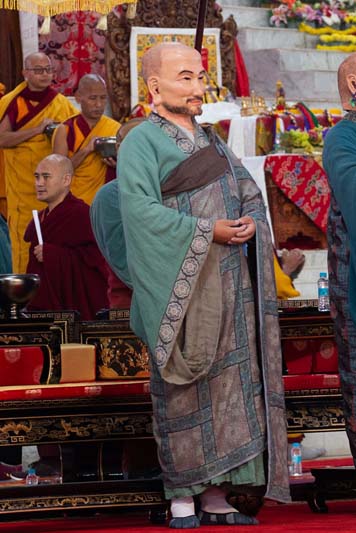
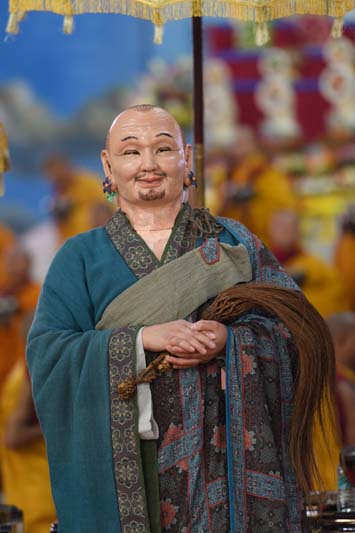
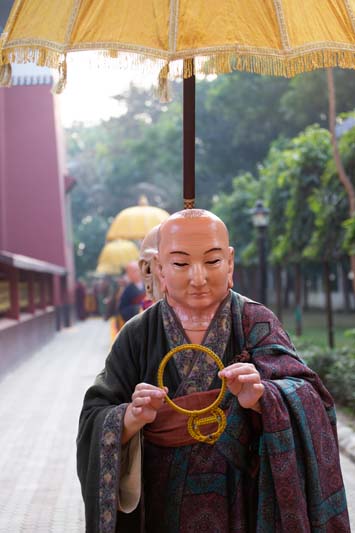
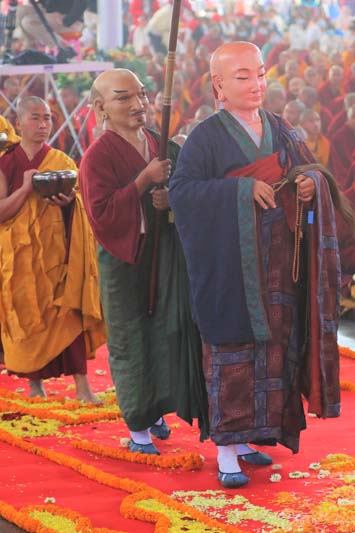
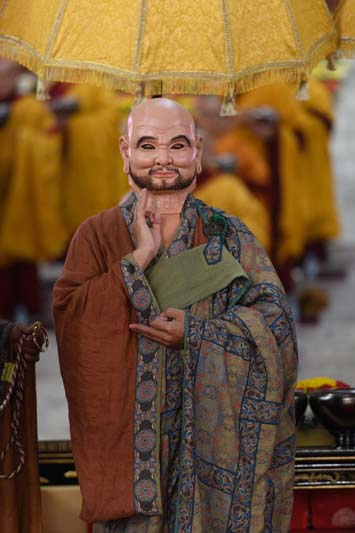
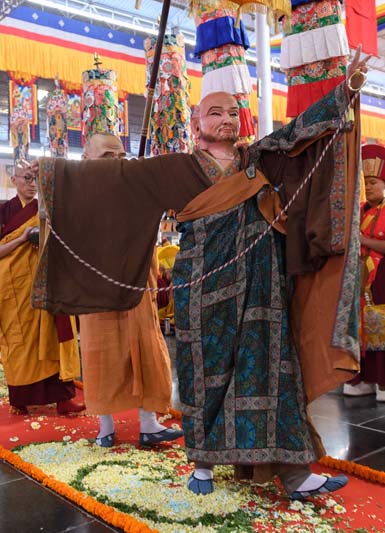
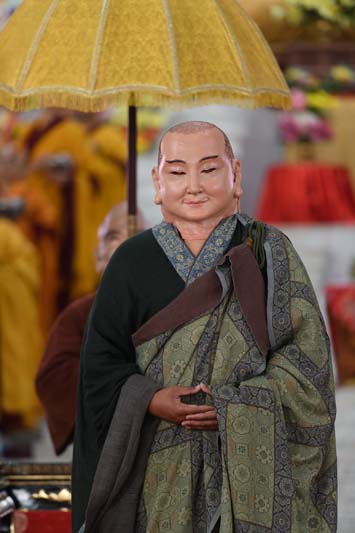
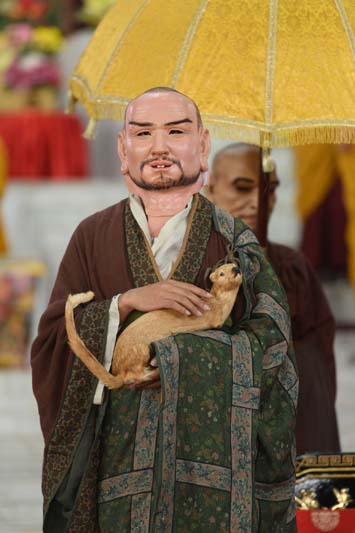
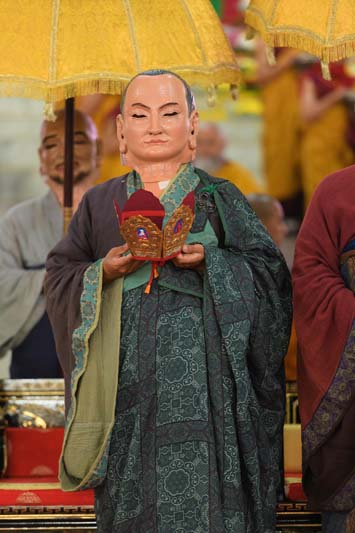
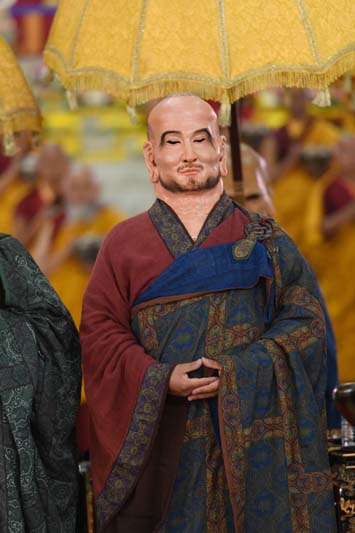
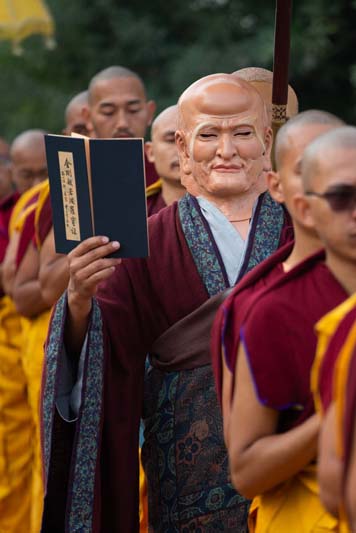
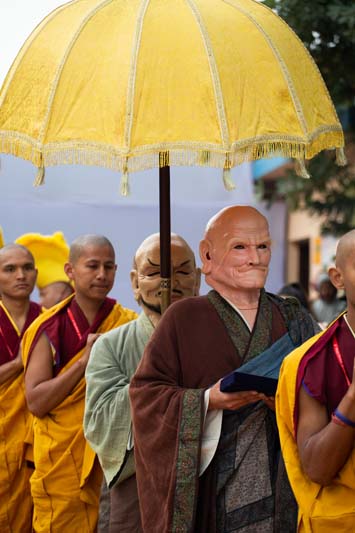
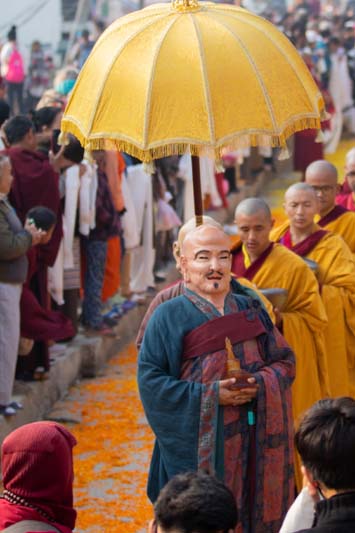
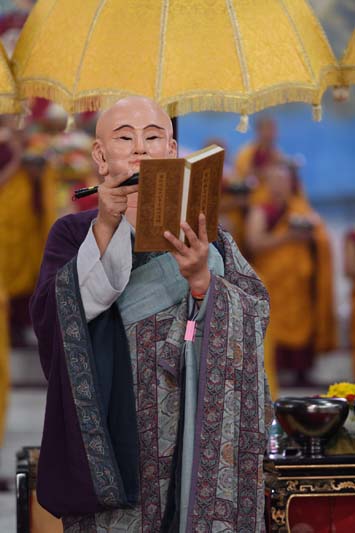
The monks who portray the Arhats in the annual procession at the Kagyu Monlam are selected for similarity in height and general size. They wear specially-made masks and costumes. Their features and the style of their robes are in the Chinese tradition of the Arhats which was introduced into Tibet at the time of the restoration of Buddhism in the 10th century. This style is reflected in a painting by His Holiness the 17th Gyalwang Karmapa.

Each of the Arhats can be distinguished by what he is holding and the size of his retinue.

1. The sketch of the 16 Arhats in Chinese style by His Holiness the 17th Karmapa.


2. Masks, props and brocade robes.


3. The procession led by Arhat Angaja.


4. The Arhats on stage left to right: Angaja; Ajita; Vanavasin; Kalika; Vajriputra; Bhadra; Kanakavatsu; Kanaka.


5. The Arhats on stage left to right: Bakula; Rahula; Chudapanthaka; Pindola Bharadvaja; Mahapanthaka; Nagasena; Gopaka; Abheda.


6. Angaja (Yenlag Chung): retinue 1300; holds a small incense burner and fly whisk.


7. Ajita (Ma Phampa) : retinue 100;  his hands rest in the meditation mudra.


8. Vanavasin (Nagnané): retinue 1400;  teaching mudra and holds a fly whisk.


9. Kalika (Düden Ten): retinue 1,100; holds a golden earring.


10. Vajriputra (Dorje Möbu): retinue 1000;  hand gesture and fly whisk.


11. Bhadra  (Pal Zangpo): retinue 1200; teaching mudra and meditates.


12. Kanakavatsu (Sergyi Be’u): retinue 500; holds a jewel lasso in both hands.


13. Kanaka Bharadhvaja (Serchen): retinue 700;  his hands rest in meditation pose.


14. Bakula (Bakula): retinue 900;  holds a mongoose in his left hand.


15. Rahula the Buddha’s son (Drachen Dzin):retinue 1100; holds a jewelled crown.


16. Chudapanthaka (Lamtren Ten): retinue 1600; his hands rest in meditation.


17. Pindola Bharadvaja (Dza Sönyom Len): retinue 1000; holds a text and an alms bowl.


18. Mahapanthaka (Lamten) : retinue 900; holds a text and teaches Dharma.


19. Nagasena (Lüdé): retinue 1200; holds a vase and a staff.


20. Gopaka (Bechepa): retinue 1400; holds a text in his hands.


21. Abheda (Michepa): retinue 1000; holds a stupa in his hands.


Bokar Yangsi Rinpoche Receives Barma Rabchung Vows at the Mahabodhi Stupa

Bokar Yangsi Rinpoche Receives Barma Rabchung Vows at the Mahabodhi Stupa

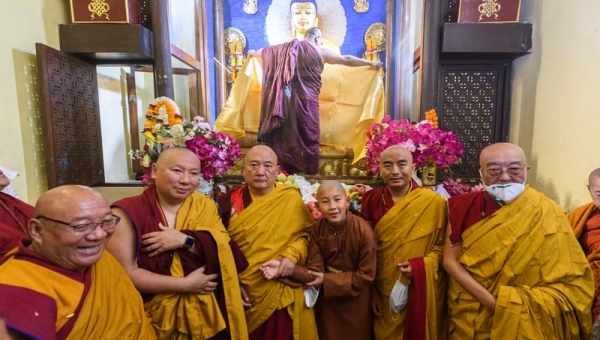
Bokar Yangsi Rinpoche, His Eminence Gyaltsab Rinpoche, Zurmang Gharwang Rinpoche, Yongey Mingyur Rinpoche, and the 3-year retreat master of Ralang Monastery, along with attendants and a retinue of monks and nuns, lined up to enter the Mahabodhi Temple when it opened at 5:00 a.m. First, Bokar Yangsi Rinpoche offered seven bowls brimming with fruits, spices, and flowers, as well as a gorgeous set of pale yellow silk robes, to the Buddha in the main shrine room. After the chanting of prayers, and a photo, the rinpoches made their way outside. Under the bodhi tree, in the dark of an early dawn, Bokar Yangsi Rinpoche’s vow ceremony was completed with auspicious prayers.

1. The letter from His Holiness the 17th Karmapa with instructions about Bokar Yangsi Rinpoche’s ordination.


2. In the crowded Mahabodhi Temple, early on the morning of February 7th, Bokar Yangsi Rinpoche made elaborate offerings to the golden Buddha statue prior to receiving his Barma Rabchung (interim ordination) vows. Here, bowls of fruit are passed forward for him to offer.


3. His Eminence Gyaltsab Rinpoche, Zurmang Gharwang Rinpoche, Yongey Mingyur Rinpoche, Khenpo Lodro Donyo Rinpoche, and the retreat master of the Ralang three year retreat center were present to offer Bokar Yangsi Rinpoche his ordination vows. The beautiful pale yellow silk robes which Bokar Yangsi Rinpoche offered to the Buddha statue are being placed on the statue by the monk in charge.


4. Bokar Yangsi Rinpoche in his new robes with his preceptors, under the bodhi tree, at the conclusion of the vow ceremony. Many monks and nuns were in attendance.


5. Bokar Yangsi Rinpoche holds a golden Buddha


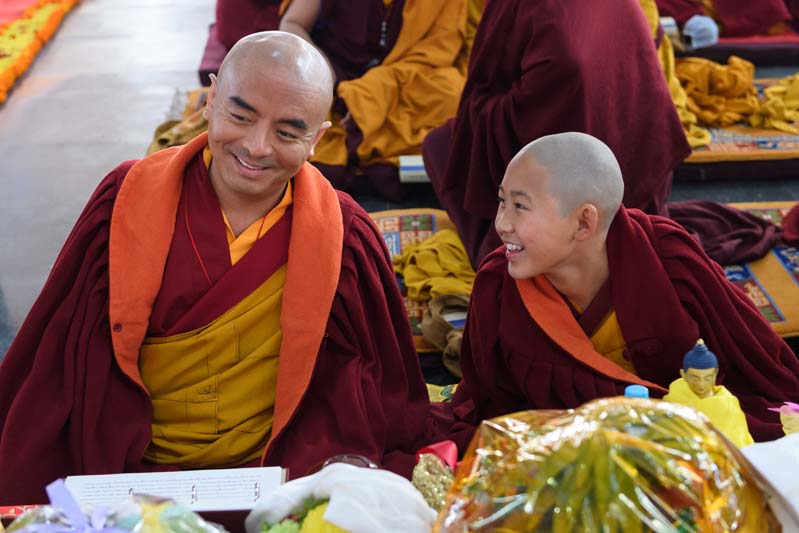
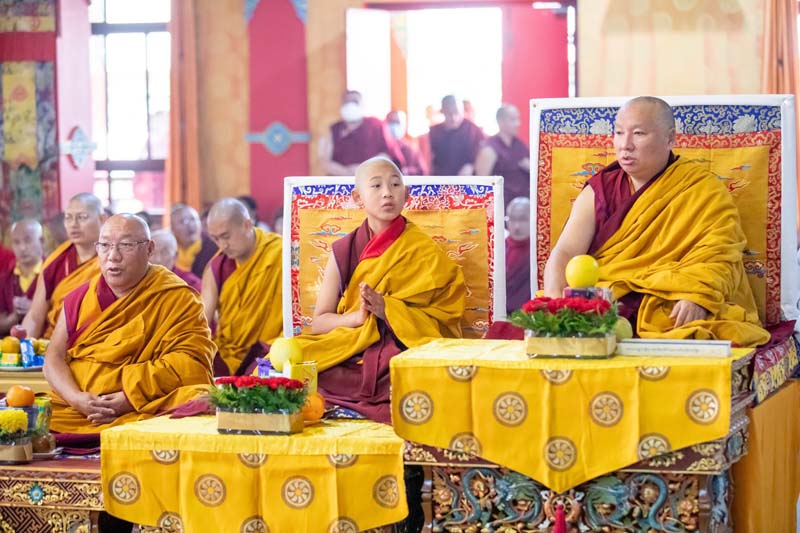
6. The rinpoches arrive back at the Monlam Pavillion and took their seats on the front row of the sangha. Yongey Mingyur Rinpoche and Bokar Yangsi Rinpoche share a joke.


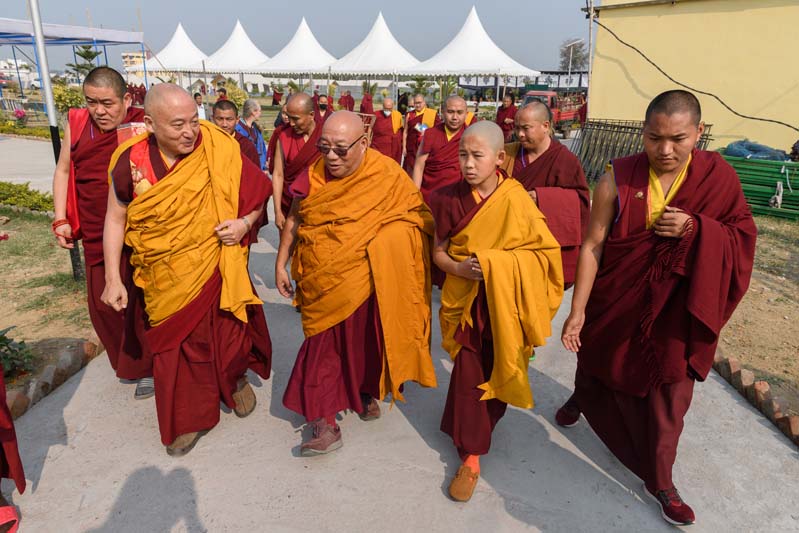
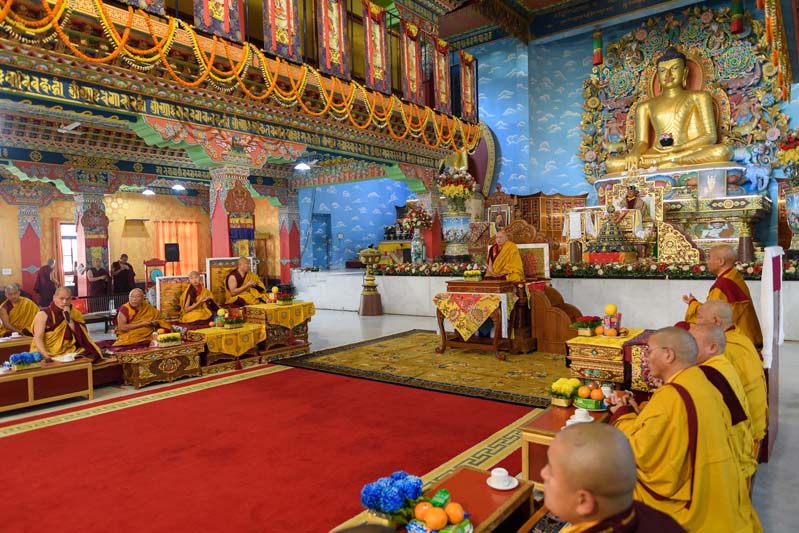
7. The rinpoches left the pavillion at 9.45am and walked to Tergar Shrine Room for a special tea and rice ceremony in celebration of his ordination.


8. Inside Tergar Shrine Room


9. Bokar Yangsi Rinpoche sat between HE Zurmang Gharwang Rinpoche and his tutor, Khenpo Lodoe Donyo Rinpoche.


10. Drupon Dechen Rinpoche led the ku-sung-thuk mandala offering to Bokar Yangsi Rinpoche.


11. A long line for the mandala offering.


12. Offering Buddha Amitayus – the buddha of long life


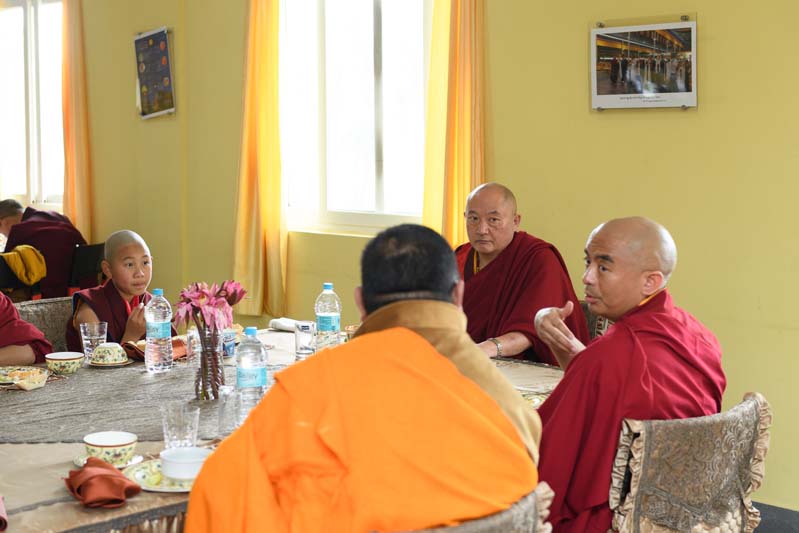
13. A celebratory lunch followed the morning’s ceremonies.


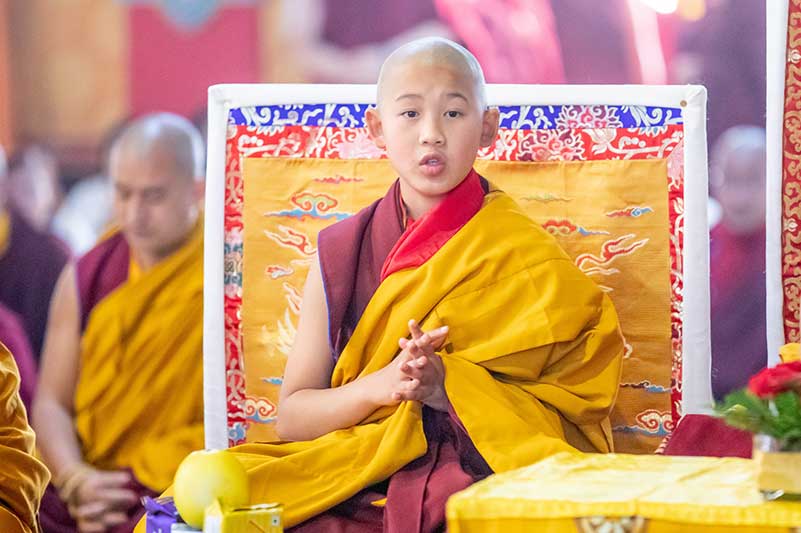
14. Bokar Yangsi Rinpoche


HE Zurmang Gharwang Rinpoche at the Mahabodhi Stupa

HE Zurmang Gharwang Rinpoche at the Mahabodhi Stupa

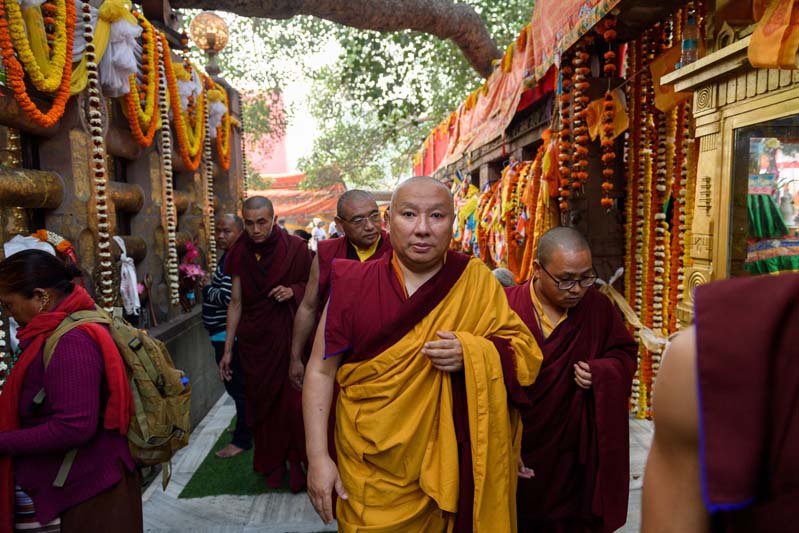
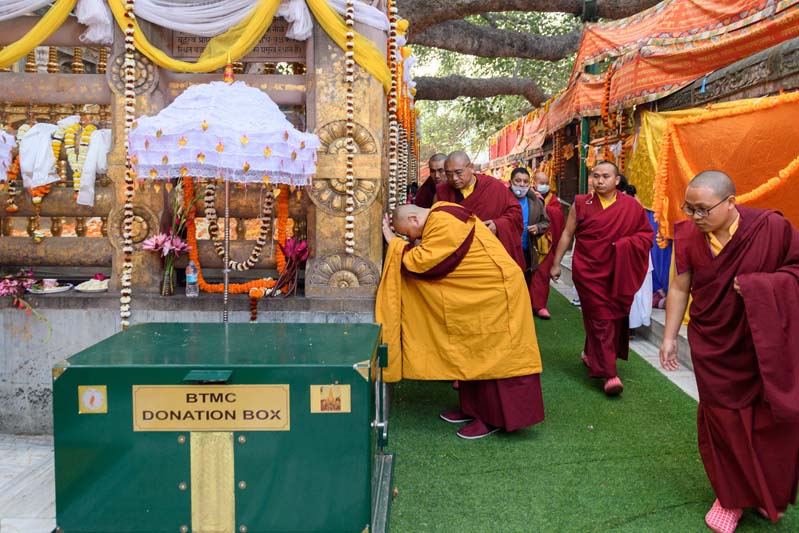
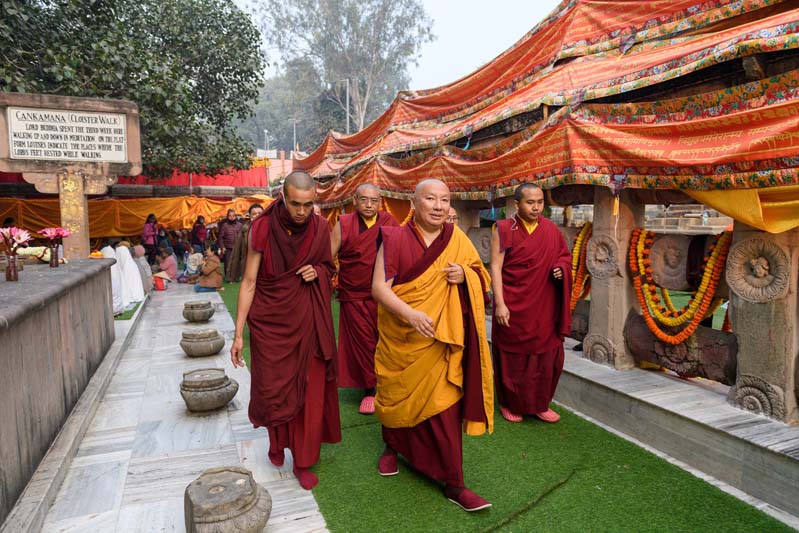
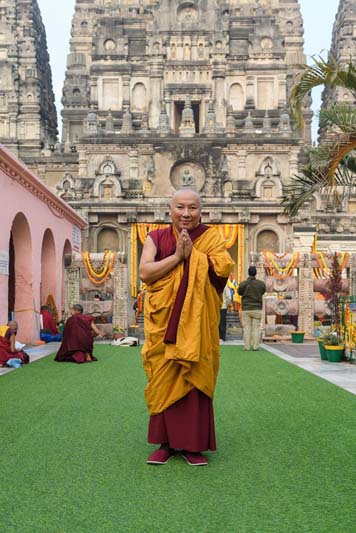
Highlights of HE Zurmang Gharwang Rinpoche’s visit to the Mahabodhi Stupa on Wednesday 5th February, 2020.

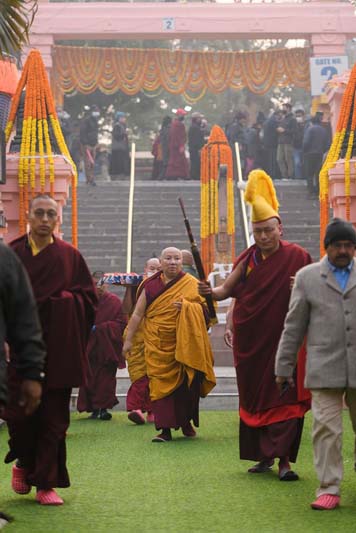
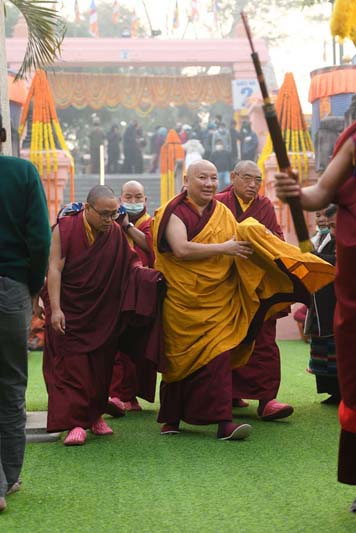
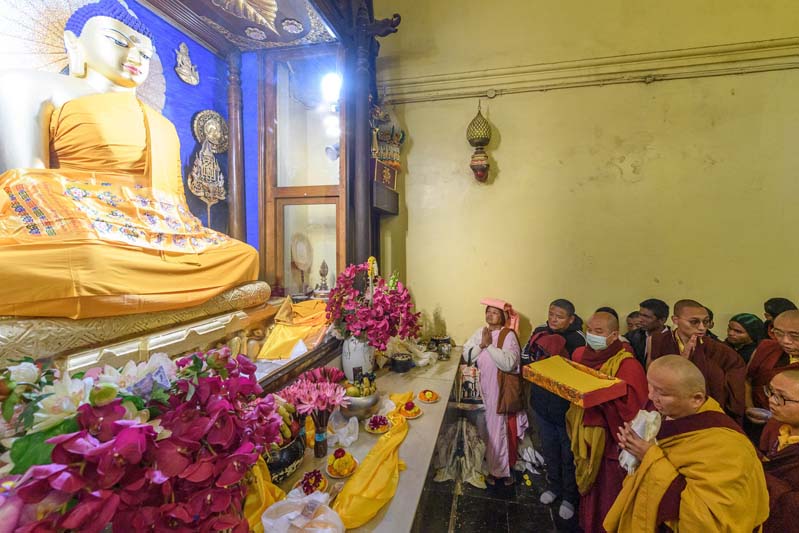
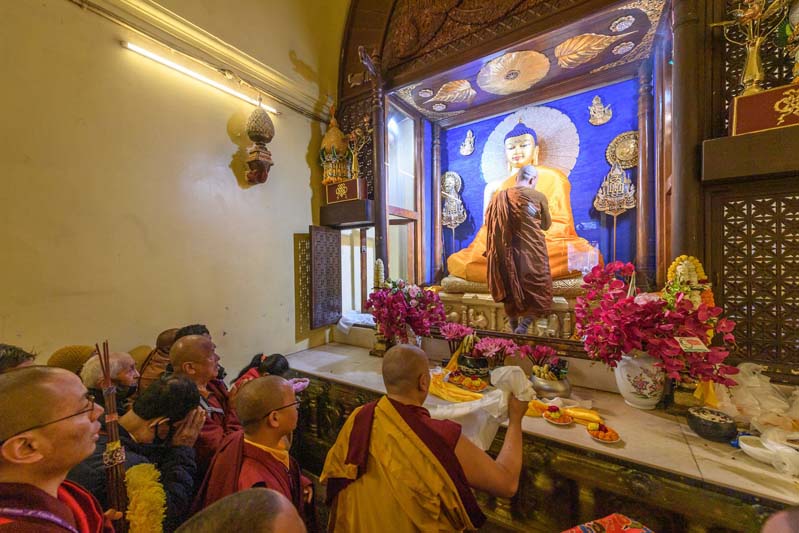
Rinpoche walked through the grounds and made offerings on behalf of Kagyu Monlam in the main shrine room. He was accompanied by Shelri Tulku, from Lava Monastery.